
Ancient and Primeval Beech Forests in Croatia | EUAGENT
Forests of Northern Velebit and Paklenica national parks are included in the UNESCO List of World Heritage. Explore the beautiful protected beech forests.
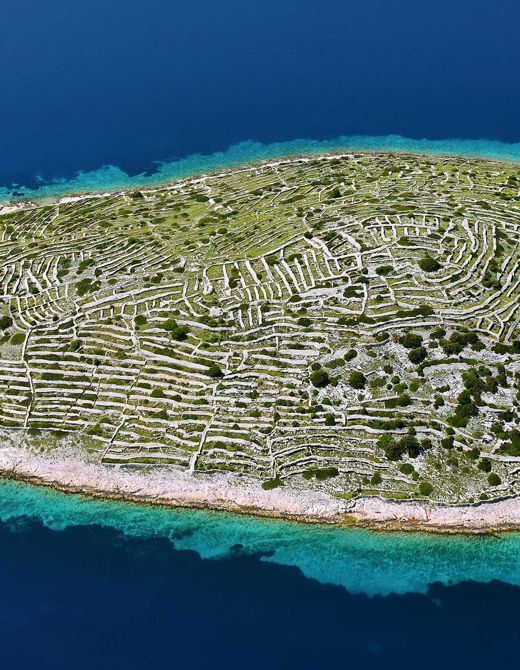
Art of Dry Stone Walling - Protected by UNESCO | EUAGENT
Today, the art of dry stone walling is on the UNESCO list of intangible cultural heritage. Discover the details of this beautiful tradition.

Bell Ringers From The Kastav Area | EUAGENT
Organized bell ringers 'Zvončari' date back to the 19th century, and even today they gather once a year to march through the villages in the Kastav area.
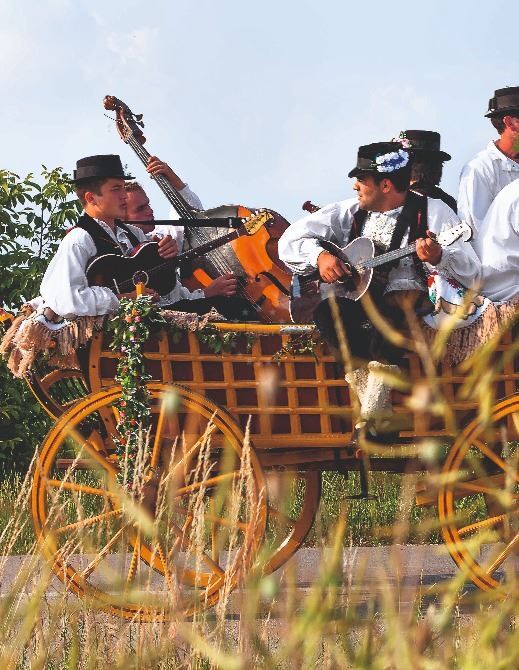
Bećarac - part of the Croatian tradition | EUAGENT
Bećarac is an important part of Croatian tradition, especially in the area of Slavonia, Baranja and Srijem. It is characterized by humorous lyrics.
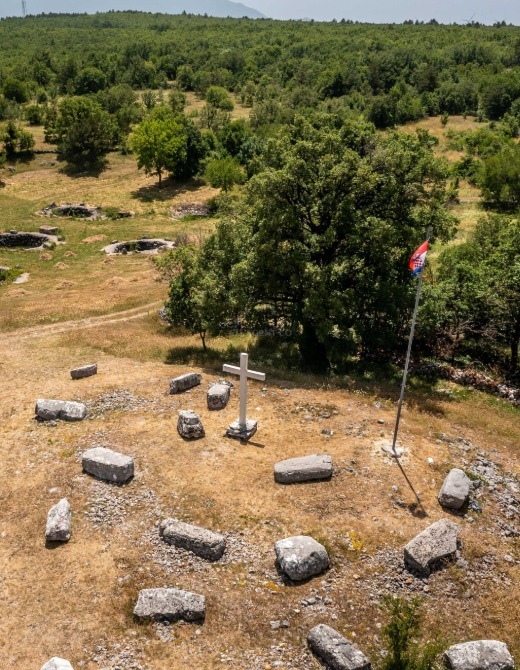
Croatian "Stećci" - Protected by UNESCO | EUAGENT
“Stećci” are monumental medieval tombstones, often decorated with inscriptions, paintings and religious symbols. They are also under UNESCO protection.
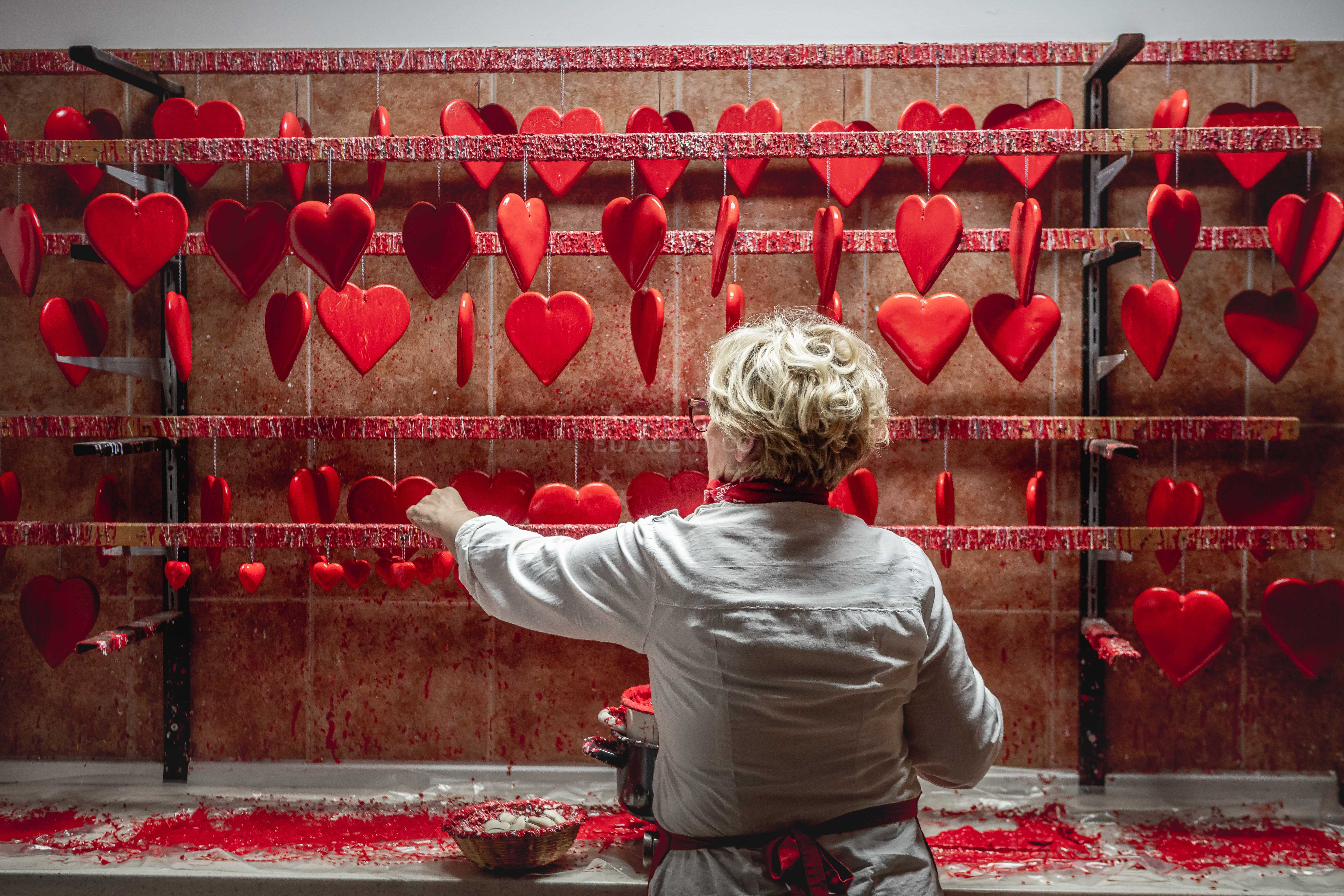
Croatian Licitar Hearts are Protected by UNESCO | EUAGENT
Croatian Licitar hearts are one of the most beautiful souvenirs from northern Croatia. They date back to the Middle Ages and are under the protection of
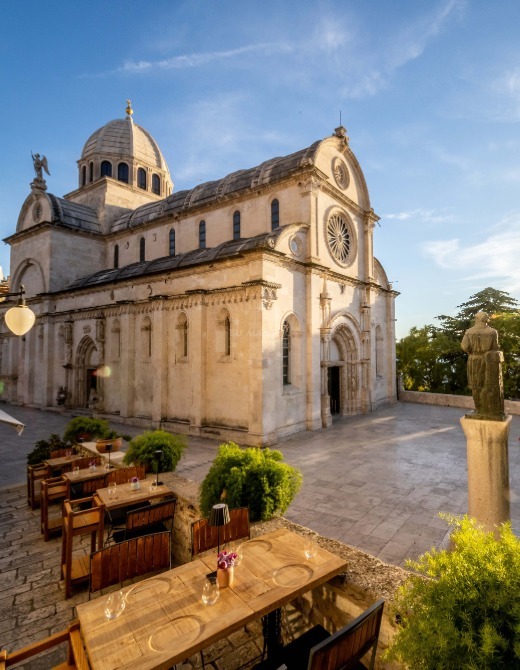
Discover Šibenik - Cathedral of St. Jakov | EUAGENT
St James Cathedral Sibenik - The Cathedral of St James in Šibenik – a jewel among UNESCO World Heritage Sites
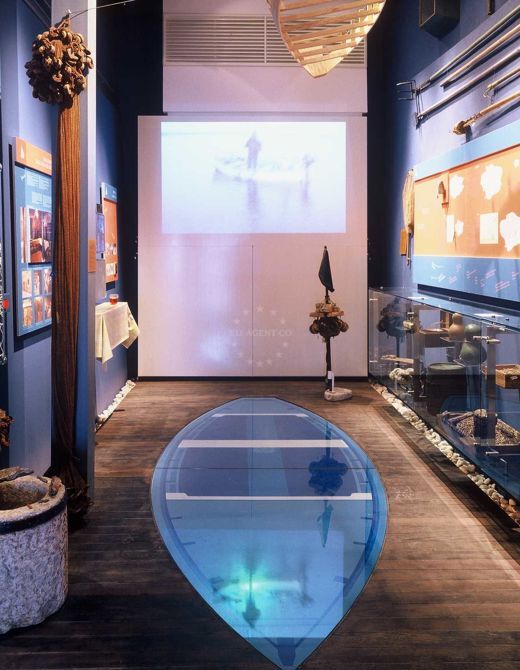
Ecomuseum Batana, the first ecomuseum in Croatia | EUAGENT
Ecomuseum Batana is the first ecomuseum in Croatia and a unique project to preserve the local maritime culture of Rovinj. Batana also organizes activities.
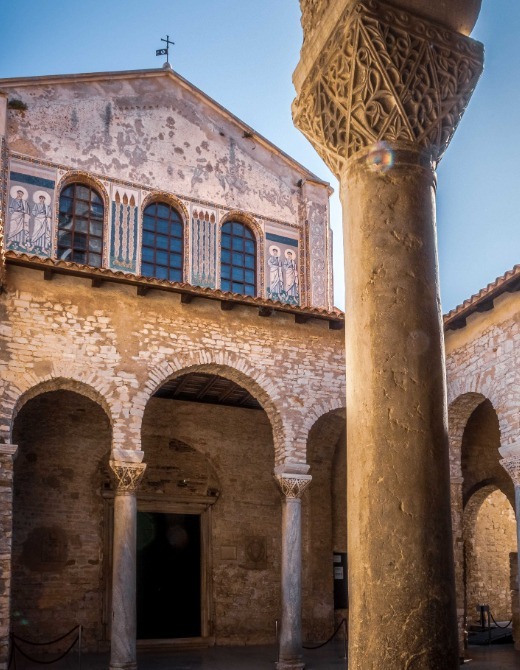
Euphrasius Basilica Complex in Poreč | EUAGENT
The Euphrasius Basilica Complex is on the UNESCO World Heritage List. Visit the episcopal complex, a combination of different architectural styles.
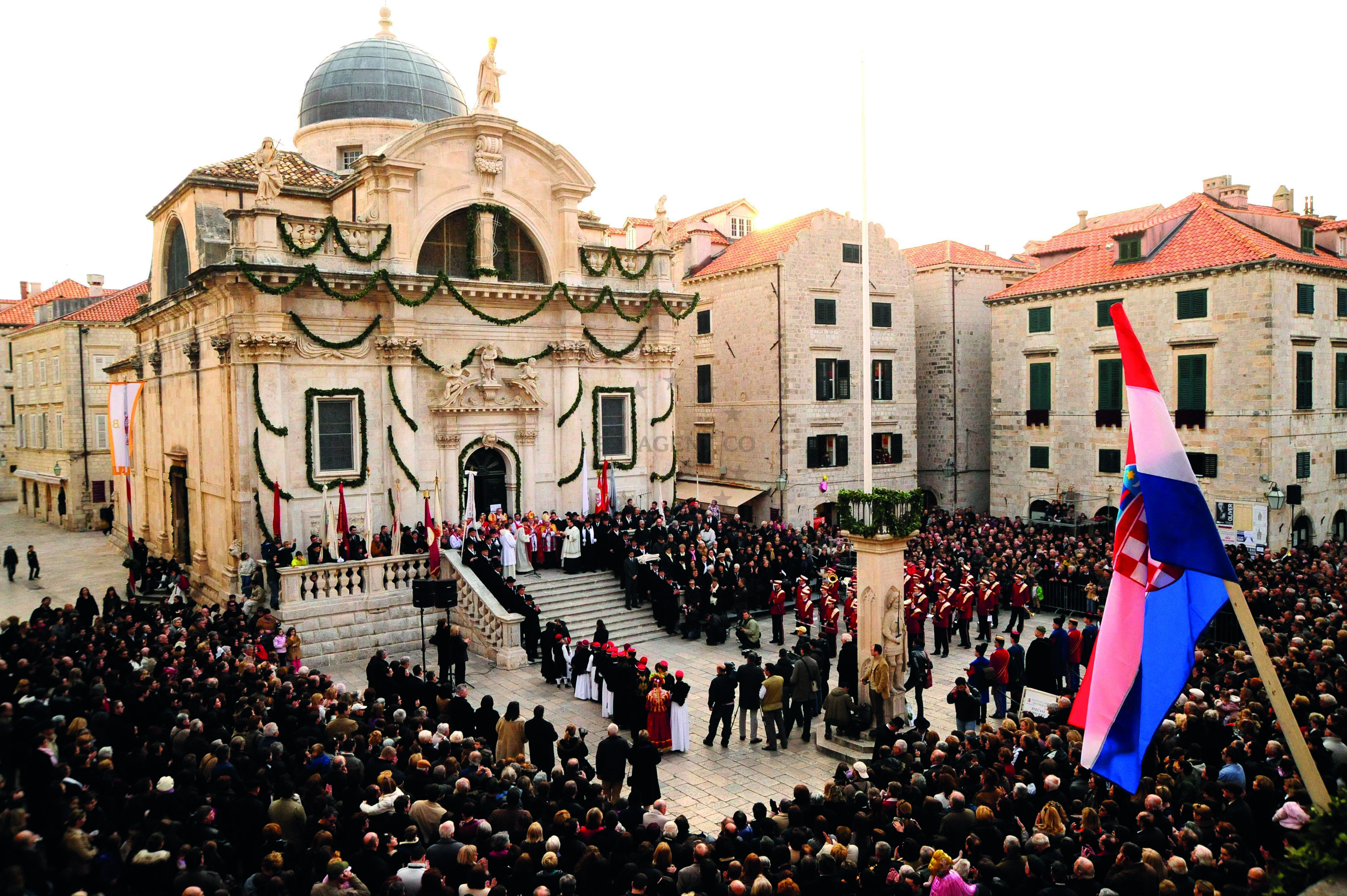
Feast of St. Blaise - Traditional celebration | EUAGENT
The Feast of St. Blaise in Dubrovnik is one of the oldest and largest traditional celebrations in Croatia which usually attracts thousands of visitors.
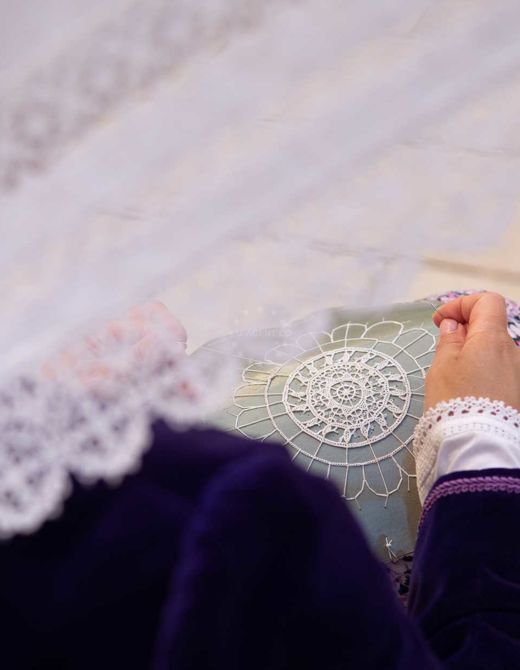
History and tradition of lacemaking in Croatia | EUAGENT
Lacemaking has been a cherished tradition in Croatia for centuries. Learn all about its history and where you can find lace as a unique Croatian souvenir.
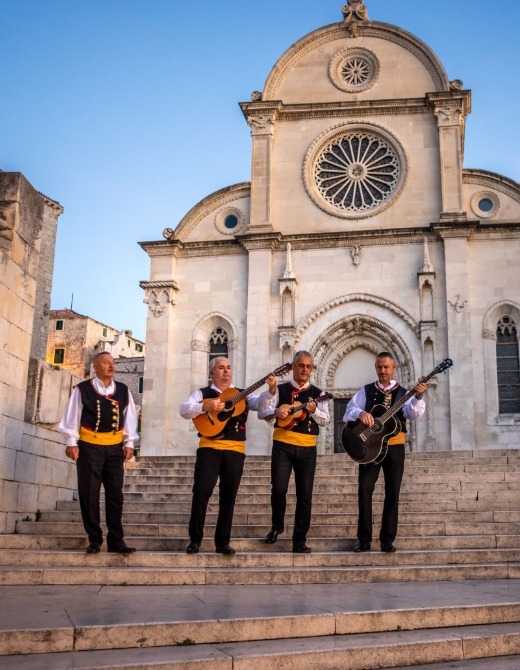
Klapa singing - Traditional Dalmatian music | EUAGENT
Klapa singing is the unique polyphonic harmonic singing that originated in Dalmatia. Learn more about this euphonious traditional musical expression.

Mediterranean food on the Adriatic Sea | EUAGENT
The Mediterranean diet on the Adriatic is considered one of the healthiest diets in the world. Visit Croatia and enjoy irresistible delicacies and flavors.
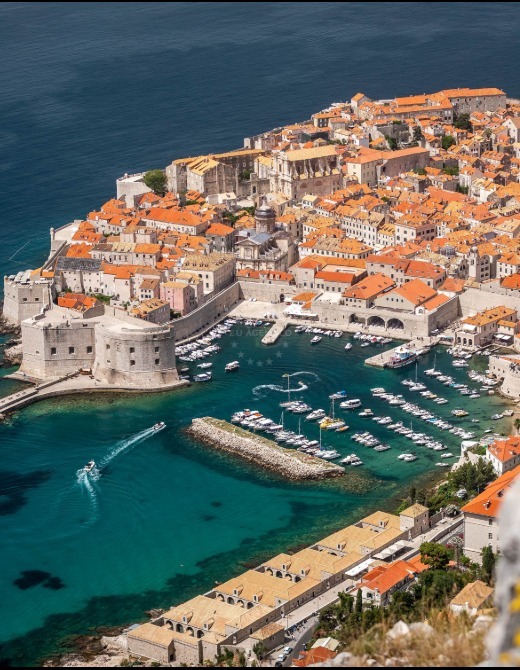
Meet the pearl of the Adriatic - Old Town Dubrovnik | EUAGENT
Dubrovnik Old Town - The Old Town of Dubrovnik – the UNESCO pearl of the Adriatic
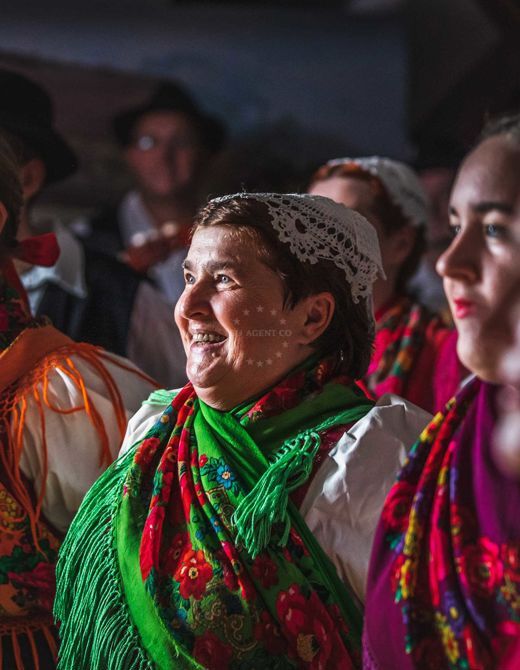
Međimurska Popevka - Traditional Folk Song | EUAGENT
Međimurska popevka is a traditional folk song from the northwestern part of Croatia. It's on the UNESCO List of Intangible Cultural Heritage of Humanity.
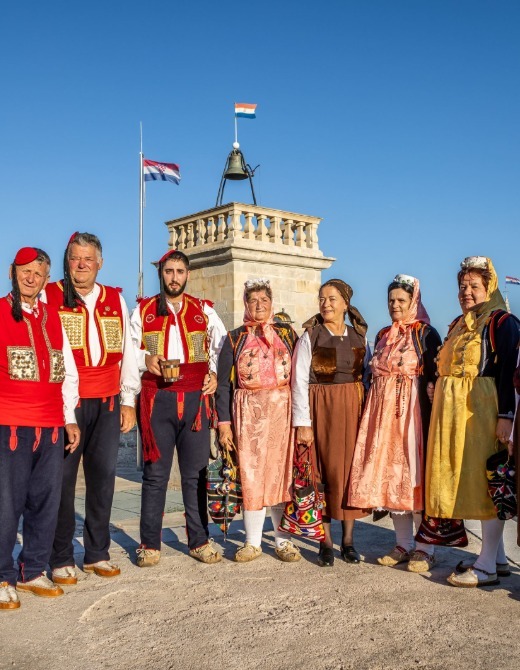
Ojkanje, traditional musical expression of Croatia EUAGENT | EUAGENT
Get to know ojkanje, a traditional Croatian musical expression. Head to the beautiful Dalmatia and experience local traditions at unique local parties.
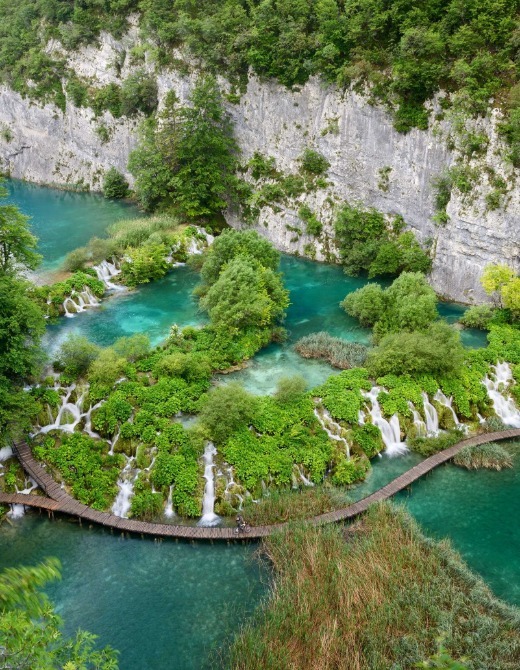
Plitvice lakes - natural beauty of Croatia | EUAGENT
Visit the most beautiful pearl of Croatian nature included in the UNESCO World Heritage List, the oldest and largest national park Plitvice Lakes.
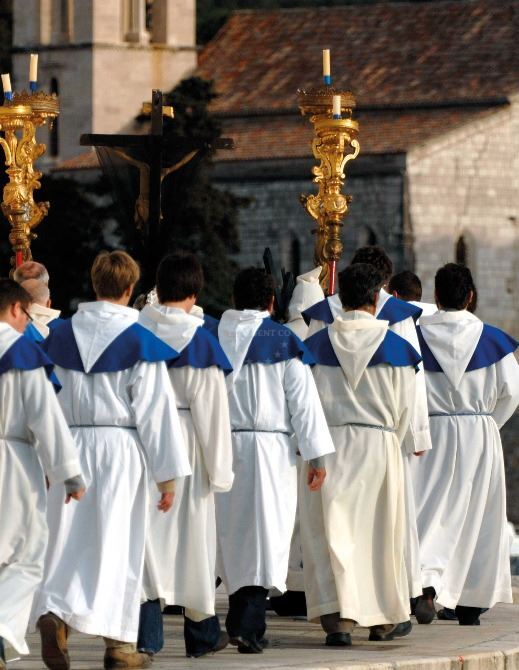
Procession "Za Križen" on the Island of Hvar | EUAGENT
Discover the history of the procession “Za Križen” - a traditional religious custom on the island of Hvar, which has been recognized and protected by
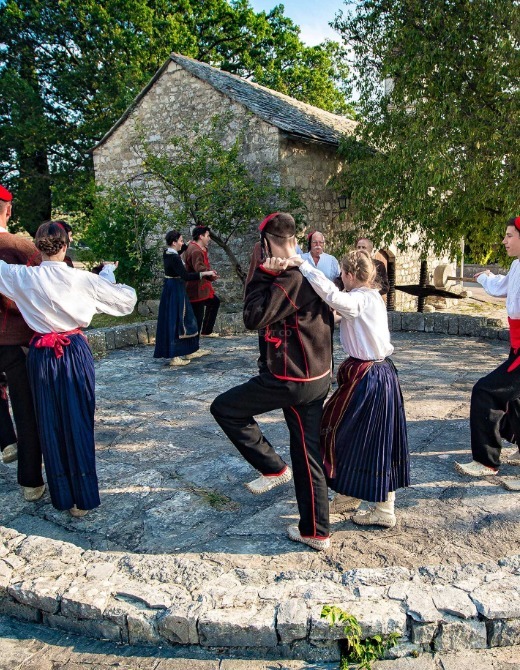
Silent circle: traditional dance in Croatia | EUAGENT
Nijemo kolo, a traditional dance in Croatia from the region of Dalmatian Zagora, has earned the UNESCO World Heritage title due to its uniqueness.
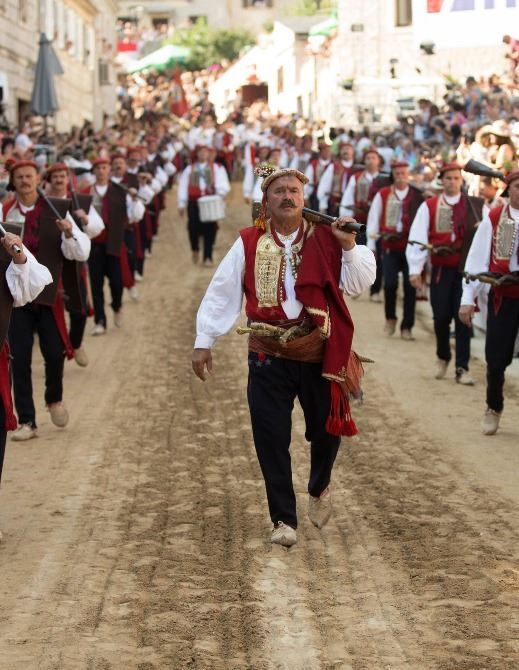
Sinjska alka - historical tradition of Croatia | EUAGENT
At the beginning of August, a famous knight's game is held - Sinjska alka, in memory of the defense of the city from sixty thousand Turkish soldiers.
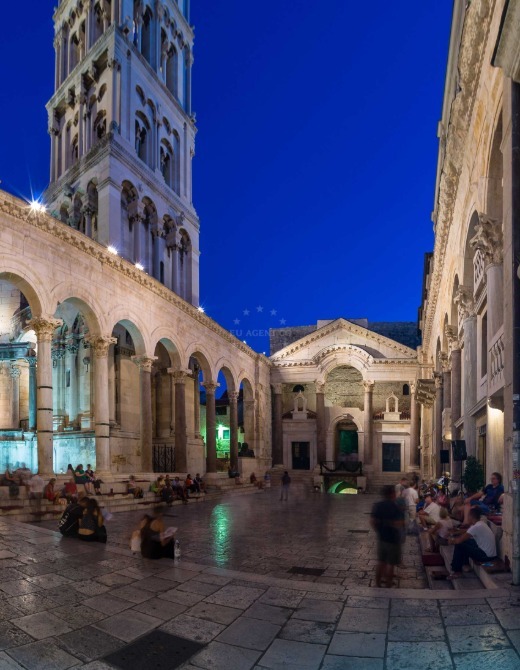
Split sights - Diocletian's palace | EUAGENT
Visit Diocletian's Palace, the imperial residence in Split known for. Its architecture, which is included in the UNESCO World Heritage List.
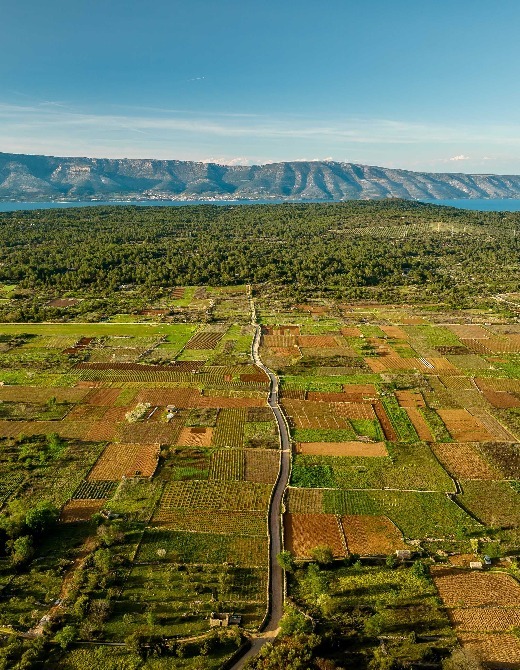
Stari Grad Plain on the Island of Hvar | EUAGENT
Discover Stari Grad Plain on the island of Hvar. It’s the best preserved ancient Greek landscape in the Mediterranean, and is also protected by UNESCO.
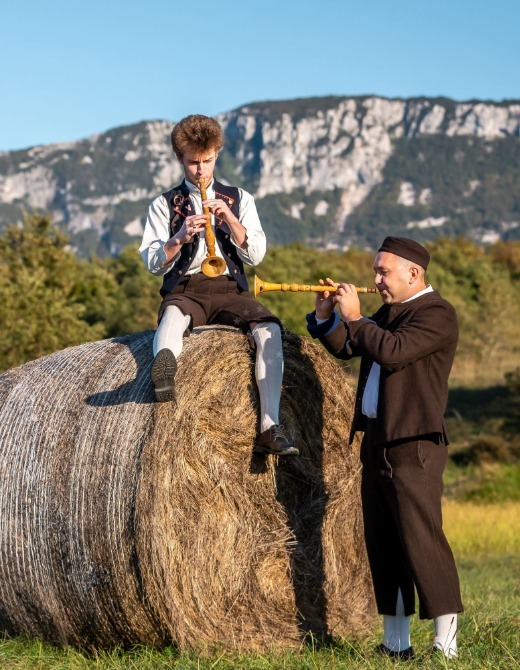
The "Istrian Scale" Includes Two-Part Singing | EUAGENT
A special type of two-part singing is known as the 'Istrian scale'. It originated in Istria and the Croatian coast and is on the UNESCO World Heritage
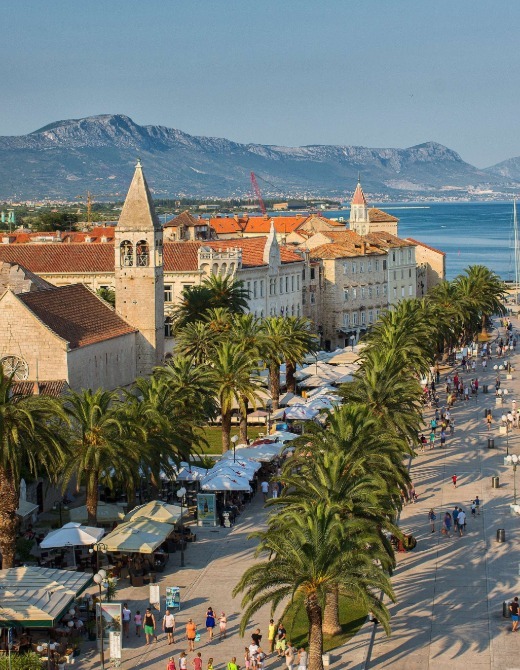
The old town of Trogir - UNESCO World Heritage | EUAGENT
The historical core of Trogir is on the UNESCO World Heritage List. Meet one of the oldest cities on the Adriatic coast.
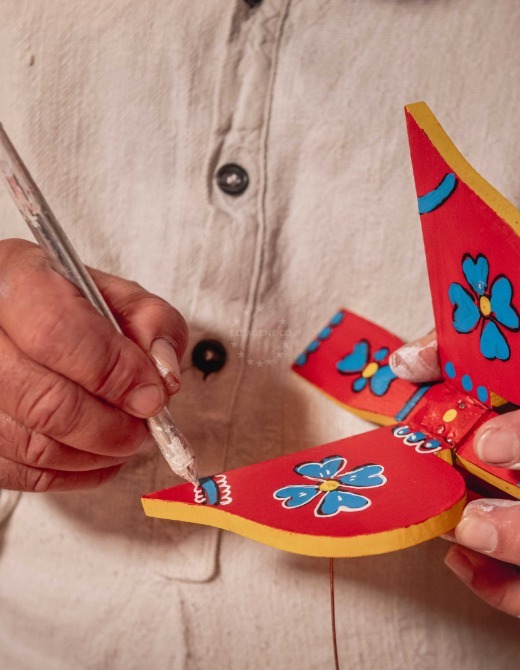
Traditional Croatian Wooden Toys | EUAGENT
Traditional Croatian wooden toys were inscribed on the UNESCO Representative List of Intangible Cultural Heritage of Humanity.
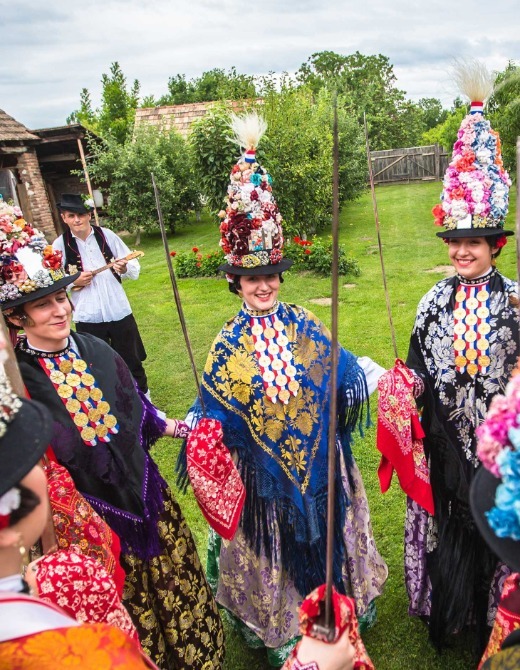
Traditional Spring Procession In Đakovo | EUAGENT
Learn about the traditional spring procession of the queen from Gorjan that takes place every year in Đakovo and is under the protection of UNESCO.
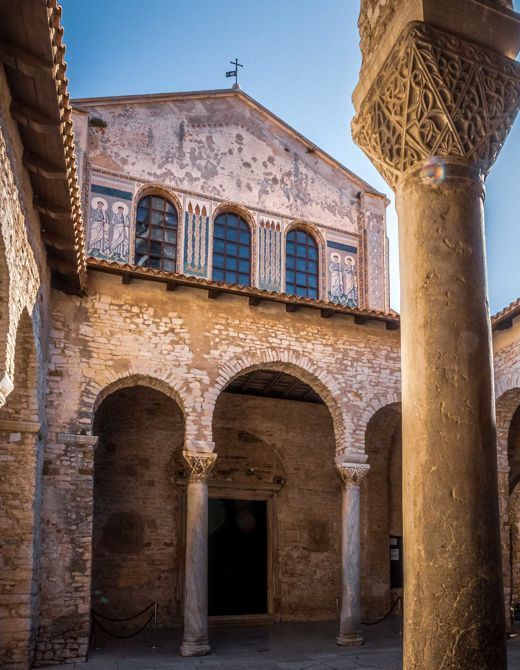
UNESCO world heritage sites in Croatia | EUAGENT
Unesco - We bring you an overview of all buildings, cities, works of art, cultural and natural attractions in Croatia
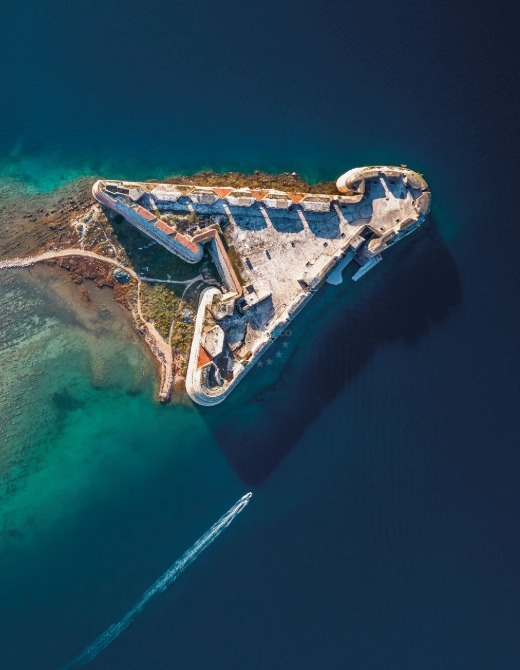
Venetian Defence System - Unesco World Heritage | EUAGENT
The Venetian defense system, as we can see today in Zadar and Šibenik, dates from the 16th and 17th centuries and is on the UNESCO World Heritage List.
Croatia is home to a remarkable array of UNESCO World Heritage Sites, encompassing both cultural and natural treasures. From the ancient beech forests of Northern Velebit to the historic Diocletian's Palace in Split, Croatia's heritage reflects centuries of history, artistry, and natural beauty. This guide explores the most iconic UNESCO sites, traditions, and experiences that make Croatia a unique destination for travelers seeking cultural immersion and natural wonders.
Visitor Highlights
- Plitvice Lakes National Park: A UNESCO natural wonder with stunning waterfalls and lakes.
- Diocletian's Palace, Split: A Roman palace turned medieval city, now a UNESCO site.
- Cathedral of St. James, Šibenik: A Renaissance masterpiece on the UNESCO list.
- Međimurska Popevka: Experience traditional folk music from northern Croatia.
- Stećci Medieval Tombstones: Monumental tombstones with intricate carvings, protected by UNESCO.
Practical Tips
Best Time to Visit: Spring and autumn offer pleasant weather for exploring UNESCO sites. Summer is ideal for coastal areas, while winter brings unique experiences in historic cities.
Getting There: Most UNESCO sites are accessible by car or public transport. For remote areas like Northern Velebit, consider guided tours.
Cultural Etiquette: Respect local traditions during festivals, and dress modestly when visiting religious sites like the Cathedral of St. James.
Frequently Asked Questions
How many UNESCO sites are there in Croatia?
Croatia has 9 UNESCO World Heritage Sites, including both cultural and natural landmarks, as well as intangible heritage practices.
What is the best way to experience Croatia's intangible heritage?
Attend local festivals such as the Bell Ringers' Pageant in Kastav or the Feast of St. Blaise in Dubrovnik to witness traditional customs firsthand.
Are there entry fees for UNESCO sites in Croatia?
Some sites, like Plitvice Lakes National Park, require entrance fees, while others, such as Diocletian's Palace, are free to visit.