Art of Dry Stone Walling in Croatia - UNESCO Intangible Heritage
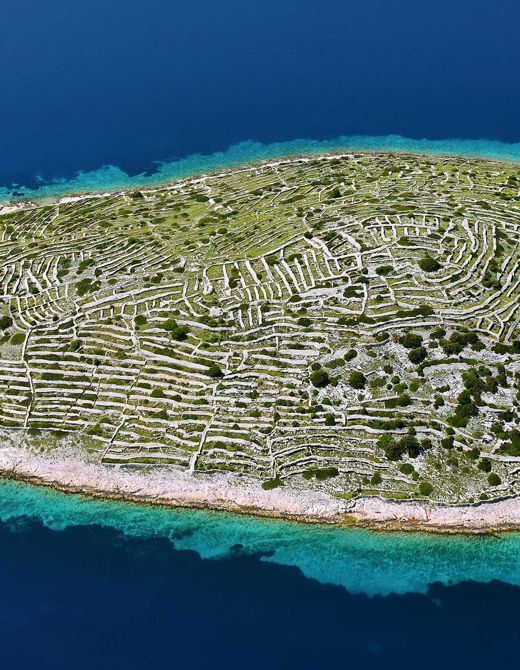
The art of dry stone walling in Croatia, a UNESCO-recognized intangible cultural heritage, represents a millennia-old tradition of constructing durable, self-supporting stone structures without mortar. This technique, deeply rooted in Mediterranean landscapes, reflects the ingenuity of Croatian communities in shaping their environment. From rural villages to historic parks, these walls tell stories of agricultural practices, territorial boundaries, and cultural identity.
Visitor Highlights
- Paklenica National Park: Explore trails lined with ancient dry stone walls that date back to the 16th century.
- Northern Velebit National Park: Discover walls integrated into the UNESCO-protected beech forest landscapes.
- Šibenik Region: Visit rural villages where traditional stone walls still mark field boundaries.
- Istria: See rounded-stone walls in coastal areas, reflecting the region's distinct architectural style.
- Workshops in Hrvatsko Zagorje: Participate in hands-on demonstrations of dry stone construction techniques.
Practical Tips
- Best Time to Visit: Spring and autumn offer ideal weather for hiking and exploring stone wall landscapes.
- Guided Tours: Local guides can explain the historical and functional aspects of the walls during walking tours.
- Photography Tips: Early morning light enhances the textures of the stones; avoid direct sunlight for clearer details.
- Preservation Etiquette: Do not touch or disturb the walls; some areas have restricted access to protect fragile structures.
- Local Cuisine: Pair your visit with traditional dishes like štrukle or štruklji in nearby villages.
Frequently Asked Questions
Where in Croatia can I see dry stone walls?
Dry stone walls are prevalent in the Dalmatian hinterland, Istria, and regions like Paklenica and Northern Velebit National Parks. Specific villages include Šibenik, Hrvatsko Zagorje, and the Istrian coast.
Why is this tradition important?
It represents a sustainable building technique that has shaped Croatia's landscapes for centuries. Its inclusion in UNESCO's intangible heritage list highlights its cultural and environmental significance.
Can visitors learn to build dry stone walls?
Yes, some villages and cultural centers offer workshops where participants can learn traditional techniques from local artisans.
How old are these walls?
Many walls date back to the medieval period, with some structures over 500 years old. They have been continuously maintained by local communities.
Are there any festivals celebrating this tradition?
While there are no specific festivals, cultural events in regions like Hrvatsko Zagorje often include demonstrations of dry stone walling as part of heritage celebrations.
Explore yachts, catamarans and motor yachts available from Croatian bases.
Yacht Search Page