Mediterranean Diet in Croatia: A UNESCO-Certified Culinary Tradition
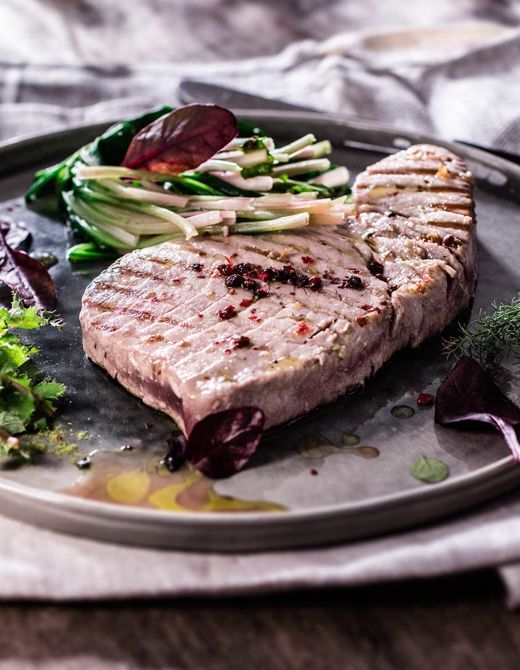
Nestled along the Adriatic coast, Croatia’s Mediterranean diet is a UNESCO-recognized culinary tradition that blends ancient practices with the region’s natural bounty. Rooted in simplicity and sustainability, this diet emphasizes fresh seafood, olive oil, whole grains, and seasonal produce—flavors shaped by the sea, sun, and centuries of cultural exchange. From the fish stew brudet of Brač to the herb-infused gregada of Hvar, every dish tells a story of resilience and connection to the land and sea.
The UNESCO Legacy of Croatian Cuisine
Croatia’s Mediterranean diet is part of the broader UNESCO-protected Mediterranean diet, shared with countries like Spain, Italy, and Greece. This culinary heritage reflects a way of life centered on communal meals, seasonal eating, and the use of locally sourced ingredients. In Croatia, this tradition is particularly vibrant on islands like Brač and Hvar, where fishing communities have preserved techniques passed down through generations.
The diet’s emphasis on fresh, minimally processed foods aligns with modern health trends, making it one of the world’s healthiest dietary patterns. Key components include:
- Fish and seafood, often grilled or stewed with olive oil and herbs
- Whole grains like štrukle (rolled dumplings) and štruklji (sweet pastries)
- Legumes, such as lentils and chickpeas, used in soups and stews
- Olive oil as the primary fat source
- Wine, paired with meals in moderation
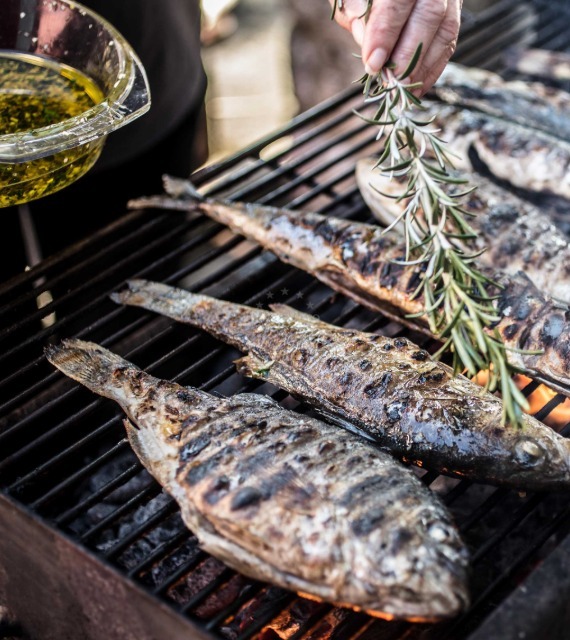
Must-Try Culinary Experiences
- Brudet: A hearty fish stew from Brač, traditionally cooked in a clay pot with tomatoes, peppers, and local herbs.
- Gregada: A Hvar specialty featuring fish, potatoes, and tomatoes, often served with štrukle.
- Peka: A slow-cooked dish using a bell-shaped dome to steam meat and vegetables, a technique dating back centuries.
- Local Markets: Explore markets in Split or Dubrovnik to sample fresh produce, cheeses, and olive oil.
- Cooking Classes: Learn to prepare traditional dishes with local chefs in coastal towns.
Practical Tips
Traveler’s Guide to Croatian Cuisine
- Where to Eat: Seek out family-run taverns (konobas) in coastal villages for authentic meals.
- Seasonal Delights: Visit in spring for asparagus and wild mushrooms, or autumn for truffles and chestnuts.
- Wine Pairings: Pair meals with Dalmatian white wines like Plavac Mali or Malvazija Istrská.
- Festivals: Attend the Good Food Festival in Dubrovnik (October) for a taste of Croatia’s culinary scene.
- Language Tip: Learn basic phrases like hvala (thank you) and molim (please) to enhance interactions with locals.
Frequently Asked Questions
Why is Croatia’s Mediterranean diet considered healthy?
Croatia’s Mediterranean diet is rich in antioxidants, healthy fats, and lean proteins, with an emphasis on fresh, unprocessed ingredients. It aligns with UNESCO’s recognition of the Mediterranean diet as a model for balanced nutrition and longevity.
Are there UNESCO-protected culinary traditions in Croatia?
Yes, Croatia’s Mediterranean diet is part of the UNESCO-recognized Mediterranean diet, and specific dishes like brudet and peka reflect cultural practices preserved through generations.
Where can I experience traditional Croatian cooking?
Join cooking classes in Split, Hvar, or Brač, or dine at family-run konobas (taverns) in coastal towns for authentic meals prepared using time-honored methods.
Explore yachts, catamarans and motor yachts available from Croatian bases.
Yacht Search Page