Ancient and Primeval Beech Forests in Croatia: A UNESCO World Heritage Site
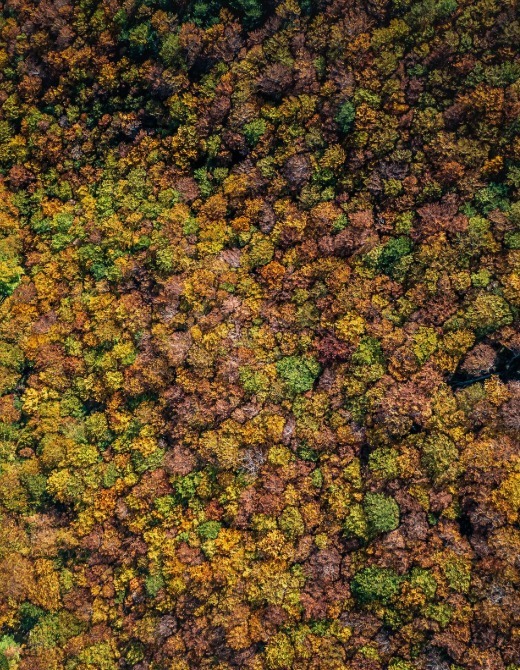
Croatia’s Ancient and Primeval Beech Forests, part of the UNESCO World Heritage List, showcase some of Europe’s most pristine natural landscapes. Located in Northern Velebit and Paklenica National Parks, these forests represent a vital ecological and cultural treasure. Designated in 2017, Croatia’s contribution includes 3,320 hectares of beech forests, preserving biodiversity and ancient woodland ecosystems.
UNESCO Designation and Significance
Croatia joined nine other European countries in extending the UNESCO World Heritage Site for the Ancient and Primeval Beech Forests of the Carpathians and Other Regions of Europe. This transboundary nomination highlights the ecological importance of beech forests across the continent. In Croatia, the protected areas include strict reserves in Northern Velebit National Park (Hajdučki and Rožanski Kukovi) and Paklenica National Park (Suva Draga - Klimenta and Oglavinovac - Javornik).
These forests are critical habitats for rare flora and fauna, including the endangered European brown bear and lynx. The beech trees, some over 300 years old, form a unique canopy that supports a rich tapestry of life.
Visiting the Beech Forests
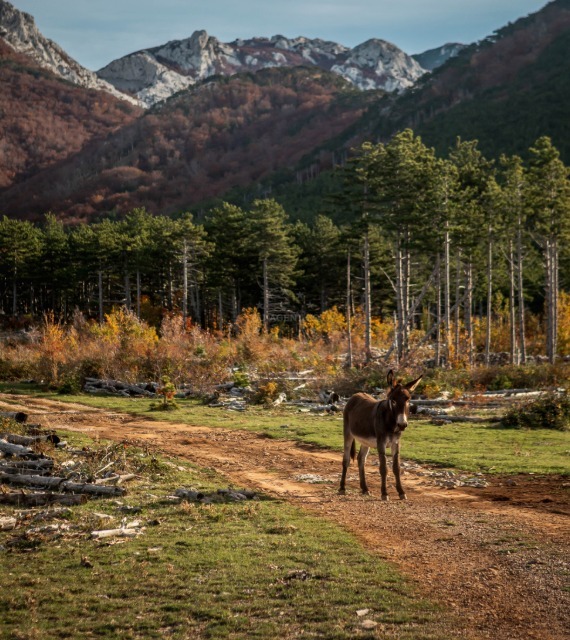
Travelers can explore these forests through guided hikes, nature trails, and educational programs. Northern Velebit National Park offers routes like the Velebit Trail, while Paklenica National Park features the Velika Paklenica canyon, where beech forests frame dramatic landscapes. Visitors should respect conservation rules, such as staying on marked paths and avoiding disturbances to wildlife.
Visitor Highlights
- Walk through ancient beech forests with centuries-old trees
- Discover biodiversity, including rare species like the European brown bear
- Enjoy panoramic views from hiking trails in Northern Velebit and Paklenica
- Participate in eco-friendly tours and educational programs
Practical Tips
- Best visiting season: Spring (April–June) for blooming flora and autumn (September–October) for vibrant foliage
- Wear sturdy footwear and bring rain gear for unpredictable mountain weather
- Use designated trails to minimize environmental impact
- Check park regulations for restrictions on photography, camping, or wildlife interaction
Frequently Asked Questions
Why are Croatia’s beech forests significant?
Croatia’s beech forests are part of a UNESCO World Heritage Site that spans 11 countries, highlighting their ecological and cultural importance. They represent one of Europe’s last intact primeval forests, supporting unique biodiversity and preserving ancient woodland ecosystems.
Can I hike in these forests?
Yes, both Northern Velebit and Paklenica National Parks offer hiking trails. Visitors should follow marked paths and respect conservation guidelines to protect the fragile environment.
Are there guided tours available?
Yes, guided tours and educational programs are available through national parks and local tour operators, focusing on ecology, history, and conservation.
Explore yachts, catamarans and motor yachts available from Croatian bases.
Yacht Search Page