Croatian Lacemaking: UNESCO-Protected Artistry and Heritage
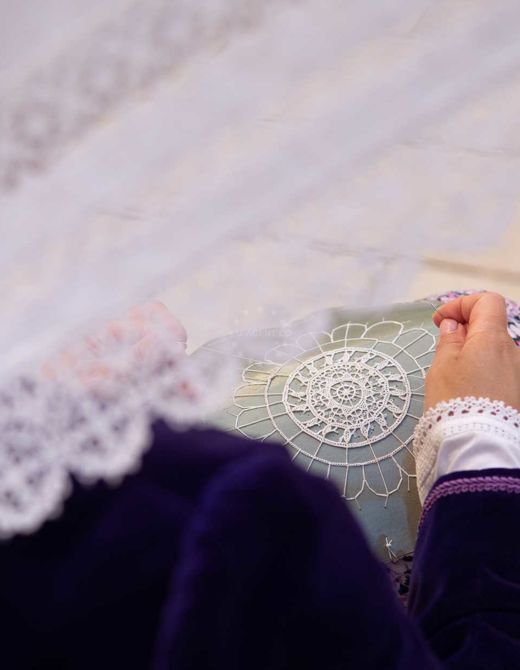
Croatia’s lacemaking tradition, safeguarded by UNESCO as intangible cultural heritage, weaves together medieval monastic devotion, rural craftsmanship, and coastal artistry. This intricate craft, once reserved for Europe’s elite, flourished in secluded communities where generations of women preserved techniques passed down through centuries. Today, visitors can explore its legacy in three distinct regions: the inland town of Lepoglava, and the Adriatic islands of Pag and Hvar.
Historical Roots of Croatian Lacemaking
Originating in the 13th century, Croatian lacemaking was initially practiced by Benedictine nuns on the islands of Pag and Hvar, and by the Order of Saint Paul in Lepoglava. These communities created delicate lace using bobbins and needles, often working in dimly lit monastic cells or rural homes. The craft became a symbol of both spiritual devotion and artistic mastery, with patterns reflecting regional influences from Venetian trade routes and Mediterranean design traditions.
By the 16th century, lacemaking had spread to coastal towns, where it became a vital source of income for women. The unique 'Pag lace' (Šišanje) and 'Hvar lace' (Šišanje) developed distinct styles, with Pag’s geometric motifs and Hvar’s floral patterns becoming internationally renowned. Despite industrialization and changing times, the tradition endured through the dedication of local artisans.
Modern Preservations and Workshops
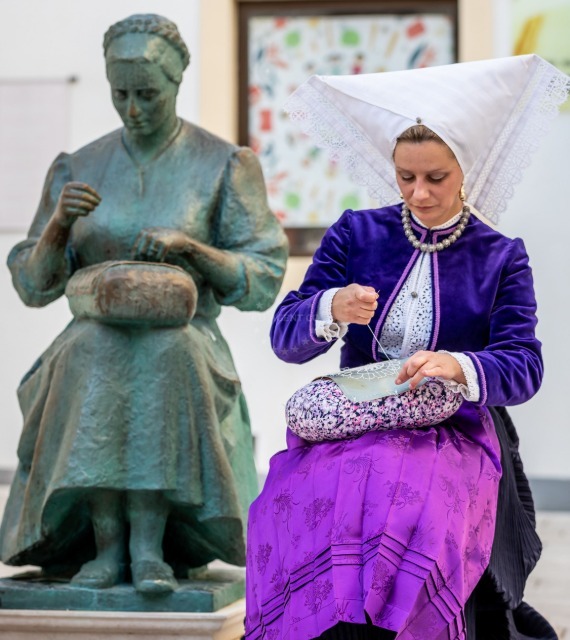
Today, Croatia’s lacemaking heritage is preserved through museums, cultural centers, and active workshops. In Lepoglava, the Lepoglava Museum of Lace showcases historical techniques and tools. On Pag, the Pag Lace Museum offers hands-on experiences, while Hvar’s traditional craft centers demonstrate the art’s connection to local festivals and celebrations.
Visitor Highlights
- Explore the Lepoglava Museum to see medieval lace-making tools and historical garments
- Attend a Pag lace workshop to learn geometric bobbiny techniques
- Discover Hvar’s floral lace patterns in local markets and boutique shops
- Visit the Šibenik Cathedral (UNESCO site) to see lace-adorned religious artifacts
- Participate in traditional lace festivals in coastal towns during spring and autumn
Practical Tips
- Look for handmade lace in local markets rather than mass-produced souvenirs
- Visit workshops during afternoon hours for the best chance to observe artisans at work
- Combine your visit with UNESCO sites like Plitvice Lakes or Diocletian’s Palace
- Try traditional Croatian cuisine in nearby towns for a complete cultural experience
- Check seasonal festivals (May-September) for live demonstrations and craft fairs
Frequently Asked Questions
Where can I see authentic Croatian lace being made?
Authentic lace-making demonstrations are available at the Lepoglava Museum, Pag Lace Museum, and Hvar’s traditional craft centers. Many workshops offer short courses for visitors.
What makes Croatian lace unique compared to other European lace traditions?
Croatian lace is distinguished by its geometric precision (especially Pag lace) and floral intricacy (Hvar lace), influenced by Mediterranean trade routes and monastic craftsmanship. It was historically produced using bobbins rather than the more common needle techniques in other regions.
Can I purchase handmade lace as a souvenir?
Yes, handmade lace is sold in local markets, boutique shops, and museums in Lepoglava, Pag, and Hvar. Look for pieces labeled 'šišanje' to ensure authenticity.
Explore yachts, catamarans and motor yachts available from Croatian bases.
Yacht Search Page