Klapa: Traditional Dalmatian Polyphonic Singing
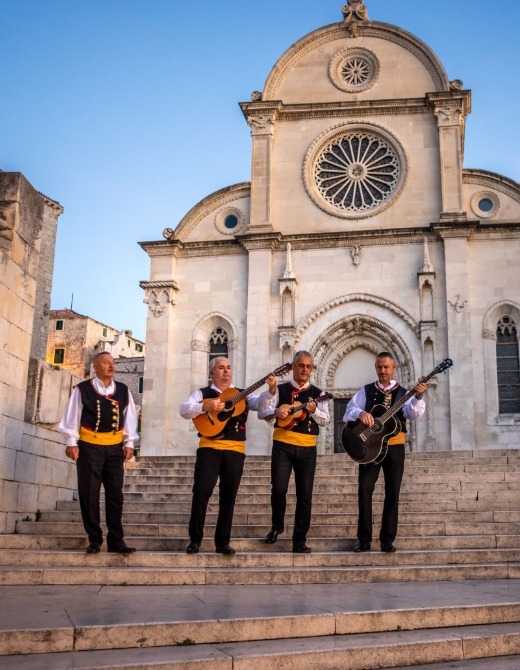
Nestled along the Adriatic coast, the UNESCO-recognized tradition of Klapa singing emerges as a defining cultural treasure of Dalmatia. This unique form of polyphonic a cappella music, rooted in the Mediterranean, has captivated listeners for centuries with its harmonious blend of voices. Whether performed in bustling town squares or intimate village gatherings, Klapa singing offers a window into the soul of Southern Croatia’s coastal communities.
Origins and History
Klapa singing originated in the 18th century among the coastal towns and islands of Dalmatia. Born from the need for communal expression in an era without modern entertainment, it evolved into a sophisticated art form characterized by its intricate vocal harmonies. The name 'klapa' derives from the Croatian word for 'group,' reflecting the collaborative nature of this tradition.
Unique Characteristics
What sets Klapa apart is its homophonic-unison technique, where multiple voices blend seamlessly into a single, resonant sound. Unlike other folk traditions, Klapa avoids loud notes or strong beats, instead focusing on layered harmonies that evoke the rhythm of the sea. Themes often revolve around love, maritime life, and the Mediterranean way of life, delivered with a nostalgic yet uplifting tone.
Cultural Significance
Klapa is more than music—it's a social glue. Historically, groups would gather to serenade potential suitors, with the most skilled singers earning admiration from local women. Today, it remains a symbol of Dalmatian identity, preserved through festivals, competitions, and educational programs.
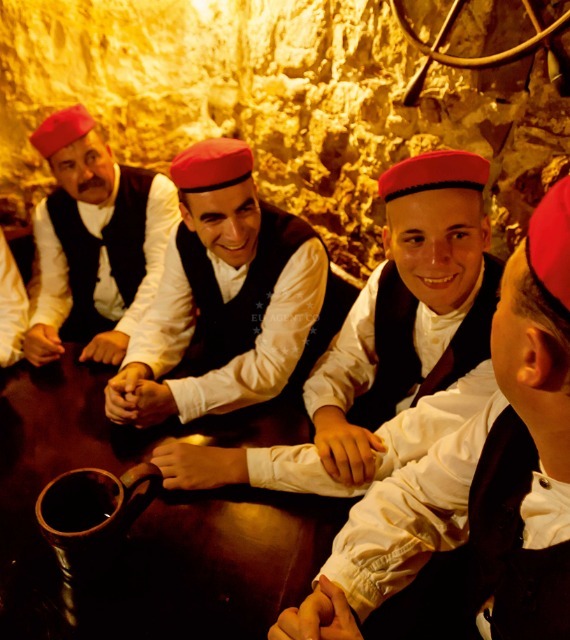
Visitor Highlights
- UNESCO-recognized intangible cultural heritage
- Experience harmonies that mimic the ebb and flow of the Adriatic Sea
- Attend live performances in historic town squares or village festivals
- Explore themes of love, seafaring, and Mediterranean traditions
- Participate in workshops to learn vocal techniques
Practical Tips
- Visit Split, Dubrovnik, or the islands of Hvar and Brač for Klapa festivals
- Attend the annual Klapa Festival in Šibenik for immersive experiences
- Join guided tours that include live performances and cultural context
- Respect traditional settings—avoid disruptive behavior during performances
- Try local delicacies like rožata or štrukle at events
Frequently Asked Questions
What is Klapa singing?
Klapa is a UNESCO-recognized form of polyphonic a cappella singing from Dalmatia, characterized by harmonious vocal layers and themes of love, maritime life, and Mediterranean culture.
Why is Klapa on UNESCO's list?
Klapa was inscribed for its unique vocal techniques, cultural significance, and role in preserving Dalmatian identity through generations of communal practice.
Where can I experience Klapa live?
Klapa performances are common in coastal towns like Split, Dubrovnik, and the islands of Hvar and Brač, especially during festivals and village celebrations.
How does Klapa differ from other folk singing?
Klapa uses homophonic-unison techniques with layered harmonies, avoiding strong beats or instruments, creating a sound that mimics the sea's rhythm.
Can tourists participate in Klapa workshops?
Yes, many cultural centers and festivals in Dalmatia offer workshops for visitors to learn vocal techniques and understand the tradition.
Explore yachts, catamarans and motor yachts available from Croatian bases.
Yacht Search Page