Nijemo Kolo: The UNESCO-Recognized Silent Circle Dance of Croatia's Dalmatian Hinterland
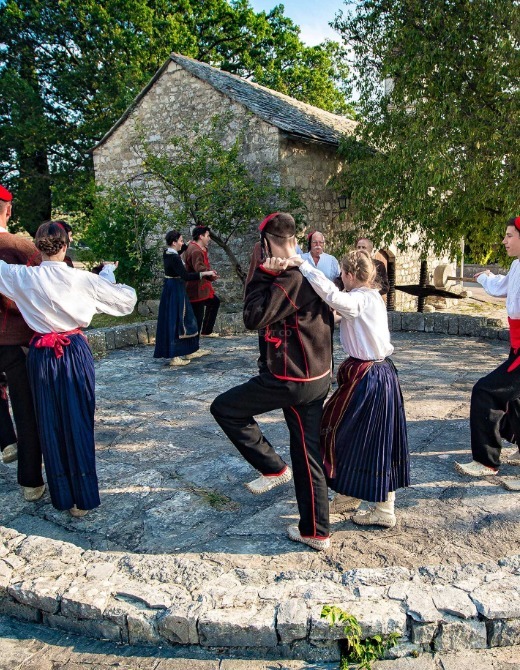
Nijemo Kolo, the silent circle dance of Croatia's Dalmatian hinterland, is a UNESCO-recognized intangible cultural heritage. This unique tradition, performed without music, relies on the rhythmic sounds of traditional leather shoes called opanci and synchronized movements. Rooted in rural communities, it embodies the spirit of collective celebration and historical continuity in Dalmatia.
Origins and Cultural Context
Originating in the Dalmatian Zagora region, Nijemo Kolo reflects centuries-old agricultural and social practices. The dance's name, nijemo (silent), highlights its distinctive absence of musical accompaniment, relying instead on the percussive tapping of opanci and the synchronized jumps of participants. Historically performed during festivals, weddings, and harvest celebrations, it serves as a communal expression of identity and resilience.
Performance and Techniques
Dancers form a circle, alternating between male and female participants or consisting of all-male or all-female groups. The dance features intricate step patterns, sudden jumps, and fluid transitions, often accompanied by the traditional vocal style ojkanje, another UNESCO-protected heritage. The rhythm and timing are guided by the collective energy of the group, with no formal leader.
UNESCO Recognition
Inscribed on UNESCO's Representative List of the Intangible Cultural Heritage of Humanity, Nijemo Kolo is celebrated for its role in preserving rural traditions. Its inclusion underscores Croatia's rich cultural tapestry, alongside other UNESCO sites like Diocletian's Palace and Plitvice Lakes National Park.
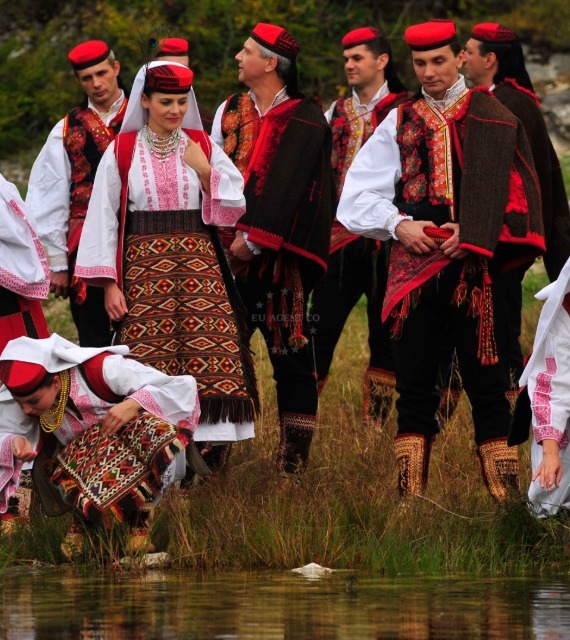
Visitor Highlights
- Experience a rare dance tradition without musical accompaniment
- Observe the rhythmic tapping of opanci and synchronized movements
- Attend local festivals in towns like Vrlika, where the dance is believed to have originated
- Learn about the connection to ojkanje, another UNESCO-protected Dalmatian tradition
- Participate in workshops or community events to engage with local performers
Practical Tips
- Visit during local festivals (e.g., Vrlika's annual celebrations) for the best chance to witness the dance
- Dress comfortably for outdoor events, as performances often occur in village squares or open fields
- Respect cultural norms by avoiding photography during solemn or ritualistic performances
- Explore nearby UNESCO sites like Diocletian's Palace in Split for a broader cultural context
- Engage with local guides to gain deeper insights into the dance's historical significance
Frequently Asked Questions
Why is Nijemo Kolo called a 'silent' dance?
The term 'silent' refers to the absence of musical accompaniment. Instead, the rhythm is created by the tapping of traditional leather shoes ( opanci ) and the synchronized movements of the dancers.
Where can I see Nijemo Kolo performed?
The dance is commonly performed at local festivals, weddings, and harvest celebrations in the Dalmatian hinterland, particularly in towns like Vrlika, Sinj, and Šibenik.
Is there a connection between Nijemo Kolo and other UNESCO-recognized traditions in Croatia?
Yes, it is often performed alongside ojkanje , a traditional vocal style also recognized by UNESCO, highlighting the interconnectedness of Croatia's intangible heritage.
Explore yachts, catamarans and motor yachts available from Croatian bases.
Yacht Search Page