Diocletian’s Palace and Medieval Split – UNESCO World Heritage Site
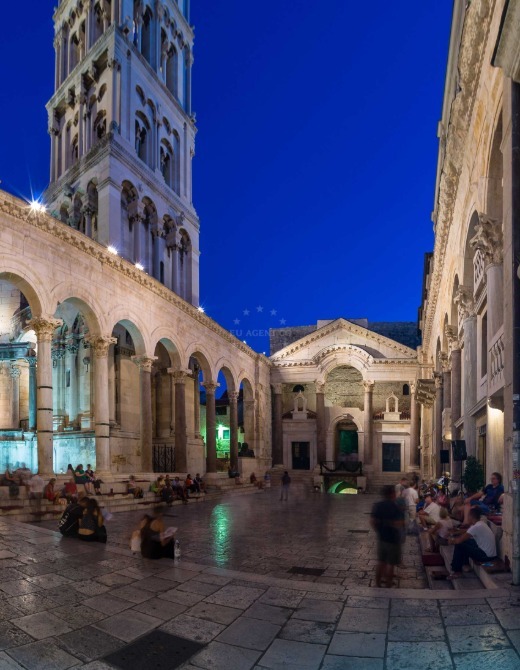
Step into the heart of Split, where the past and present converge in Diocletian’s Palace, a UNESCO World Heritage Site. This ancient Roman structure, transformed into a thriving medieval city, offers a unique glimpse into over 1,700 years of history. Wander through its labyrinthine streets, marvel at the Peristyle, and uncover the stories etched into its stones. Split’s historic center is a living museum, where every corner reveals a new chapter of human ingenuity and resilience.
Historical Significance
Commissioned by Emperor Diocletian in the late 3rd century AD, this palace was initially a lavish retirement villa for the Roman emperor. Over centuries, it evolved into a medieval city, with merchants, artisans, and residents transforming its halls and courtyards. Today, it stands as one of the best-preserved examples of Roman architecture in Europe, seamlessly integrated into Split’s modern urban fabric.
Key Attractions
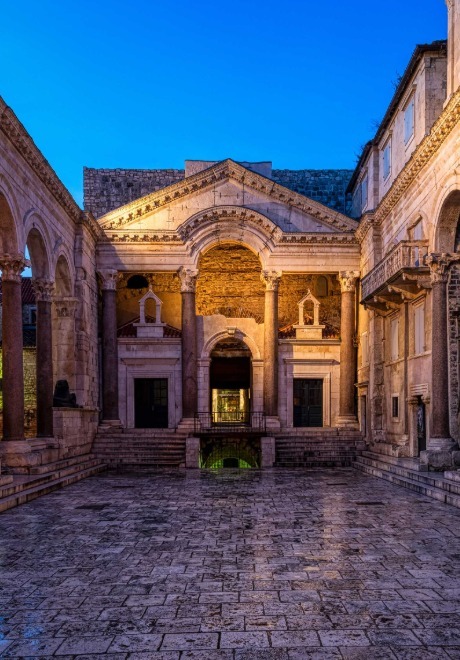
- The Peristyle: The grand central courtyard, surrounded by colonnades, was the palace’s social and administrative hub.
- Cathedral of St Domnius: Built atop the palace’s original mausoleum, this 10th-century cathedral is a masterpiece of Romanesque and Byzantine architecture.
- Diocletian’s Cellars: A network of underground chambers used for storage and defense, showcasing Roman engineering prowess.
Visitor Highlights
- Walk through the iconic Peristyle, a symbol of Roman imperial grandeur.
- Explore the Cathedral of St Domnius, where Roman and medieval artistry merge.
- Discover the Diocletian’s Cellars, a fascinating subterranean complex.
- Admire the seamless blend of ancient and medieval architecture in the city’s streets.
- Enjoy panoramic views of the Adriatic Sea from the Riva promenade, just outside the palace walls.
Practical Tips
- Best Time to Visit: Spring (April–June) or autumn (September–October) for pleasant weather and fewer crowds.
- Guided Tours: Opt for a guided tour to uncover hidden details and historical anecdotes.
- Wear Comfortable Shoes: The palace’s cobblestone streets and steep steps require walking.
- Explore Nearby: Visit the nearby Riva promenade, the Split Archaeological Museum, or the Fortress of Saint Nicholas.
Frequently Asked Questions
Why is Diocletian’s Palace a UNESCO World Heritage Site?
It represents an exceptional example of a Roman imperial palace that evolved into a medieval city, showcasing the continuity of cultural and architectural traditions over 1,700 years.
What is the best way to explore the palace?
A guided walking tour is recommended to fully appreciate its historical layers and hidden gems, such as the cellars and the cathedral.
Are there any restrictions inside the palace?
Photography is allowed in most areas, but flash photography and tripods are prohibited in the cathedral and certain archaeological zones.
How long should I plan to visit?
Allocate 2–3 hours to explore the palace, its surrounding streets, and nearby attractions like the Riva promenade.
Explore yachts, catamarans and motor yachts available from Croatian bases.
Yacht Search Page