Croatia's UNESCO World Heritage Sites: A Journey Through History and Nature
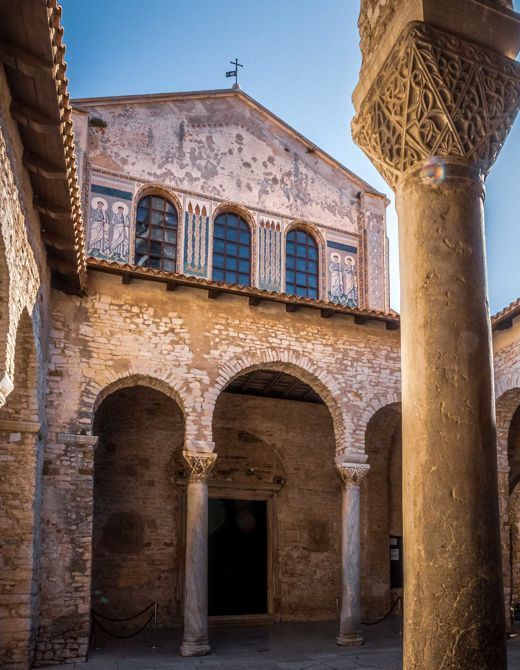
Croatia, a small yet culturally rich nation, boasts 22 UNESCO World Heritage Sites that reflect its diverse history, art, and natural beauty. From ancient Roman palaces to pristine beech forests, these sites offer a unique glimpse into the country's legacy. Explore the blend of cultural and natural wonders that have earned Croatia a place on the UNESCO list.
Top UNESCO Sites in Croatia
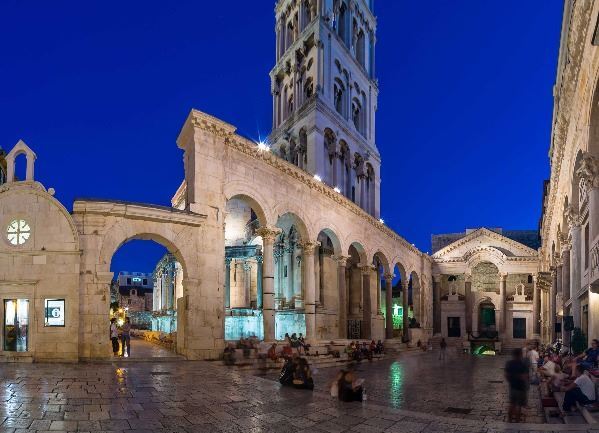
- Diocletian's Palace and Medieval Split: A UNESCO gem where Roman architecture seamlessly merges with medieval city life.
- Plitvice Lakes National Park: A natural masterpiece with cascading lakes and waterfalls.
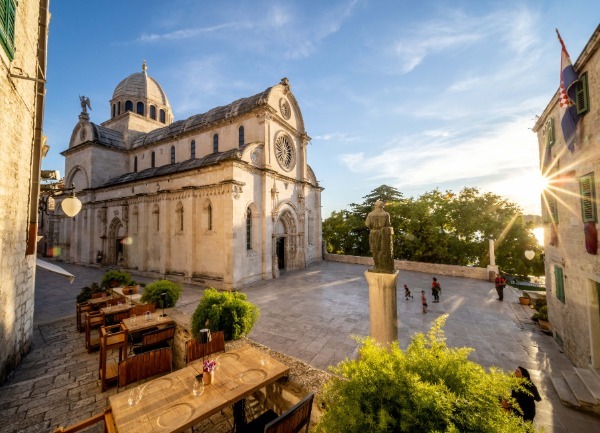
- St. James Cathedral in Šibenik: A Renaissance-Gothic masterpiece and a UNESCO-listed architectural marvel.
- Historical Core of Trogir: A well-preserved medieval town with Romanesque and Gothic influences.
- Ancient and Primeval Beech Forests: Part of a transnational UNESCO site spanning Europe.
Cultural and Natural Heritage Highlights
Croatia's UNESCO sites encompass both cultural and natural heritage. The Stećci medieval tombstones, the Venetian Works of Defence, and the Međimurska Popevka folk song tradition showcase the country's intangible heritage. Meanwhile, natural sites like the Plitvice Lakes and Beech Forests highlight Croatia's ecological significance.

Visitor Highlights
- Explore the labyrinthine streets of Medieval Split within Diocletian's Palace.
- Admire the intricate stonework of the St. James Cathedral in Šibenik.
- Walk through the Historical Core of Trogir, a UNESCO-protected medieval town.
- Experience the serene beauty of Plitvice Lakes with its turquoise waters and waterfalls.
- Discover the ancient Stećci tombstones, a unique medieval funerary art.
Practical Tips
- Visit Plitvice Lakes during spring or autumn for fewer crowds and vibrant landscapes.
- Wear comfortable shoes for exploring Diocletian's Palace and its surrounding medieval streets.
- Check opening hours for St. James Cathedral in Šibenik, as it may close for religious ceremonies.
- Consider guided tours for deeper insights into UNESCO sites like the Venetian Works of Defence.
- Respect conservation rules in Beech Forests to preserve these ancient ecosystems.
Frequently Asked Questions
How many UNESCO sites are there in Croatia?
Croatia has 22 UNESCO World Heritage Sites, including 9 cultural, 3 natural, and 10 intangible heritage sites.
What makes Croatia's UNESCO sites unique?
Croatia's UNESCO sites uniquely blend ancient history, architectural innovation, and natural beauty, from Roman palaces to primeval forests.
Are there any intangible UNESCO sites in Croatia?
Yes, Croatia has intangible heritage sites like the Međimurska Popevka folk song, Nijemo Kolo dance, and traditional wooden toy-making in Hrvatsko Zagorje.
Explore yachts, catamarans and motor yachts available from Croatian bases.
Yacht Search Page