Venetian Works of Defence between the 16th and 17th Centuries - UNESCO World Heritage
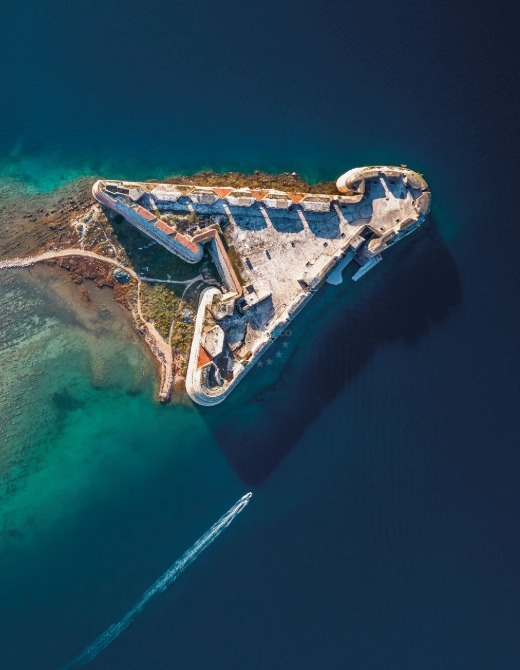
The Venetian Works of Defence between the 16th and 17th Centuries represent a remarkable fusion of military strategy and Renaissance architecture. Recognized by UNESCO for their historical and technological significance, these fortifications in Zadar and Šibenik exemplify the 'alla moderna' system developed by the Venetian Republic to counter emerging firearms technology. Explore the legacy of these defensive structures, which safeguarded the Adriatic coastline during centuries of conflict.
Historical Context
During the 16th and 17th centuries, the Venetian Republic faced persistent threats from the Ottoman Empire. In response, engineers devised the 'alla moderna' system, characterized by star-shaped bastions, angled walls, and integrated gunports. Zadar, a strategic hub in Dalmatia, and Šibenik, a key maritime gateway, became focal points for this innovation.
Zadar's Fortifications
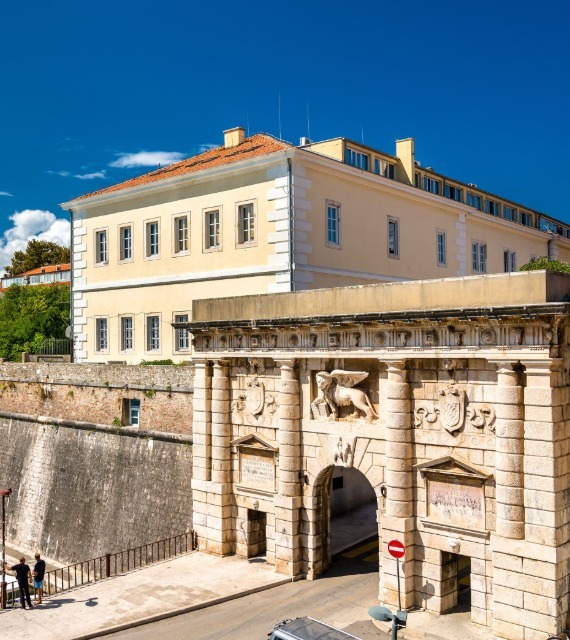
Zadar's defense system includes the Land Gate, a Renaissance masterpiece with ornate carvings, and the Forte fortress, which guarded the city's approach from the land. The Ponton Bastion, the first 'alla moderna' structure in the Adriatic, remains a testament to Venetian military ingenuity.
Šibenik's St. Nicholas Fortress
Rising dramatically from the Šibenik Channel, St. Nicholas Fortress was designed by Gian Girolamo Sanmicheli. Its triangular layout, three-tiered design, and commanding position illustrate the era's advanced defensive principles. The fortress protected Šibenik from Ottoman naval incursions and remains a striking example of isolated bastion architecture.
Visitor Highlights
- Land Gate, Zadar: Admire Renaissance architecture and historical carvings depicting Venetian naval victories.
- St. Nicholas Fortress, Šibenik: Explore the fortress's three-tiered structure and panoramic views of the Adriatic.
- Ponton Bastion, Zadar: Discover the first 'alla moderna' bastion in the Adriatic, featuring strategic gunports and angled walls.
- Forte Fortress, Zadar: Learn about its role in defending Zadar's landward approach during the Ottoman threat.
Practical Tips
Best Time to Visit: Spring and early autumn offer mild weather and fewer crowds. Guided Tours: Consider guided tours to gain insights into the fortifications' historical significance. Accessibility: Both sites are accessible by car or public transport from Zadar and Šibenik town centers. Photography: Capture the dramatic coastal vistas and architectural details, especially at sunrise or sunset.
Frequently Asked Questions
Why are these fortifications a UNESCO World Heritage Site?
They represent a unique example of 16th-17th century military engineering, showcasing the 'alla moderna' system's adaptation to firearms technology and its role in Venetian Republic defense strategies.
What makes St. Nicholas Fortress unique?
Its triangular, three-tiered design and strategic location on a rocky crag exemplify isolated bastion architecture, a rare feat in the Adriatic.
Are there visitor restrictions at the sites?
Most areas are open to the public, though some sections may require guided access for preservation reasons. Check local guidelines before visiting.
Explore yachts, catamarans and motor yachts available from Croatian bases.
Yacht Search Page