Croatian "Stećci": UNESCO-Protected Medieval Tombstones
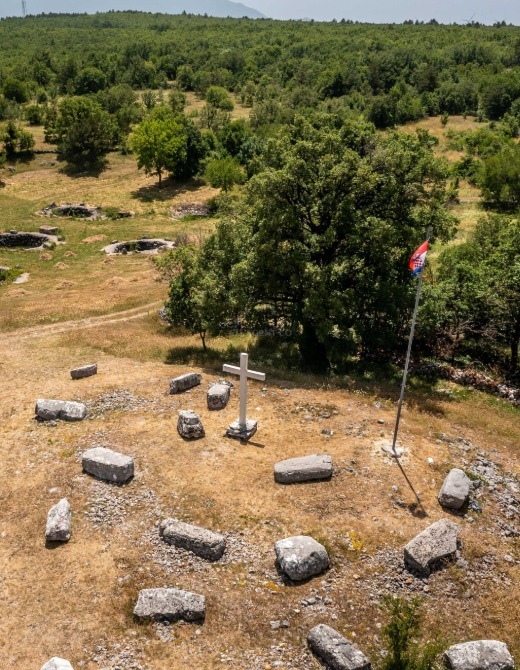
The Stećci of Croatia are a remarkable testament to medieval craftsmanship and religious devotion. These monumental tombstones, carved from limestone and adorned with intricate carvings, are a UNESCO World Heritage Site. Spanning centuries of artistic evolution, they offer a unique window into the spiritual and cultural life of the region during the Middle Ages.
What Are Stećci?
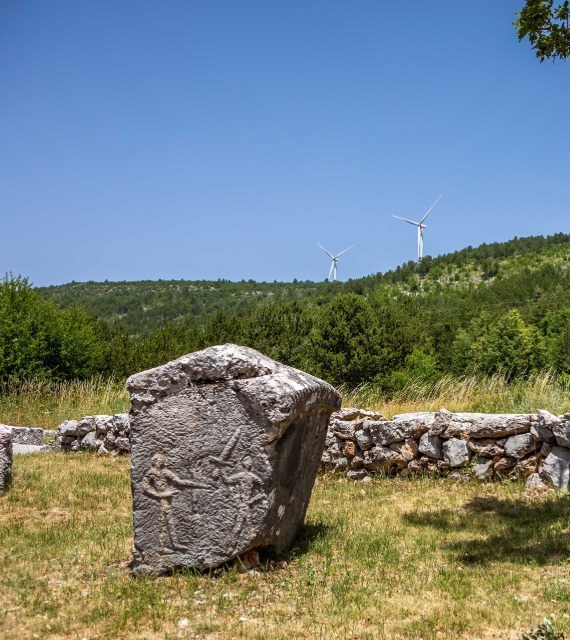
The term "Stećci" refers to a distinct type of medieval tombstone found primarily in the Balkans, with significant examples in Croatia. These monolithic stones, often rectangular and topped with a gable or flat surface, were used as gravestones for nobility, clergy, and wealthy merchants. They are typically made of limestone and feature a range of decorative elements, including religious symbols, geometric patterns, and scenes from daily life or chivalric tournaments.
One of the most iconic motifs found on Stećci is the image of a man with his right hand raised—a symbol believed to represent the deceased's spiritual state or a prayer for salvation. The level of detail and artistry varies, reflecting the skill of the stonemasons and the status of the individuals interred beneath them.
History and Significance of Stećci
Stećci emerged in the 12th century and flourished during the 13th to 15th centuries, coinciding with the rise of the Bosnian Kingdom and the influence of the Catholic and Orthodox Churches. Their construction declined in the early 16th century, likely due to changing burial practices and the spread of new artistic styles.
These tombstones are not only artistic achievements but also historical documents. Inscriptions on Stećci often include the names of the deceased, dates, and sometimes even epitaphs, providing valuable insights into medieval society, religion, and language. The carvings also reflect the interplay between Christian and Islamic artistic traditions in the region during the medieval period.
Locations and Visiting Information
Croatia is home to over 4,400 Stećci, concentrated in several key sites, including:
- Velika and Mala Crljivica: Located approximately 55 kilometers east of Split, this site offers a serene setting to explore these ancient monuments.
- Dubravka/St Barbara: Situated near Dubrovnik, this necropolis is easily accessible and provides a glimpse into the region's medieval past.
- Konavle: Another significant area where Stećci can be found, showcasing a variety of styles and inscriptions.
Visitors are encouraged to explore these sites with guided tours, which often provide historical context and insights into the symbolism of the carvings. The best times to visit are during spring or autumn when the weather is mild, and the sites are less crowded.
Visitor Highlights
- Unique Artistic Legacy: Admire the intricate carvings and inscriptions that reflect medieval craftsmanship and religious symbolism.
- UNESCO Recognition: Explore a UNESCO World Heritage Site that highlights Croatia's cultural and historical significance.
- Historical Insights: Learn about the lives of those interred beneath these tombstones through inscriptions and artistic motifs.
- Scenic Settings: Enjoy the natural beauty of the surrounding landscapes, from coastal cliffs to inland valleys.
Practical Tips
- Best Time to Visit: Spring (April-May) and autumn (September-October) offer pleasant weather and fewer crowds.
- Guided Tours: Consider joining a guided tour to gain deeper insights into the history and symbolism of the Stećci.
- Photography: The carvings make for excellent photo opportunities; however, be respectful of the site's historical significance.
- Transportation: Rent a car for flexibility, or use local bus services to reach sites like Velika Crljivica and Dubravka.
Frequently Asked Questions
Why are the Stećci significant?
The Stećci are significant as they represent a unique form of medieval funerary art, combining religious symbolism with intricate craftsmanship. Their UNESCO status underscores their importance as a cultural and historical legacy.
How many Stećci are there in Croatia?
There are over 4,400 Stećci spread across several necropolises in Croatia, with major concentrations in Velika and Mala Crljivica, Dubravka, and Konavle.
Are there any nearby attractions to visit?
Yes, sites like the Euphrasius Basilica in Poreč, Plitvice Lakes National Park, and the historic city of Trogir are nearby and offer additional cultural and natural experiences.
Explore yachts, catamarans and motor yachts available from Croatian bases.
Yacht Search Page