Stari Grad Plain, Hvar: UNESCO-Protected Ancient Greek Landscape
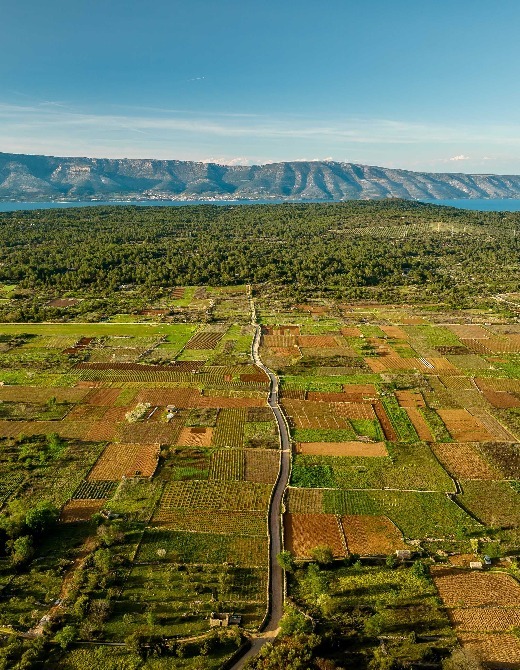
Nestled on the island of Hvar, Stari Grad Plain is a living testament to ancient Greek ingenuity. Designated a UNESCO World Heritage Site in 2008, this landscape preserves the geometric land divisions established by Greek colonists in 385 BCE, offering a rare glimpse into Mediterranean agricultural history.
Historical Origins
In 385 BCE, Greek settlers from Paros established a colony on Hvar (then Fiteja), creating a meticulously planned agricultural landscape. Using the groma surveying tool, they divided the plain into 1x5 stadia plots (approx. 180x900 meters), a system still visible today. The omphalos stone marks the central survey point, while boundary stones once denoted parcel ownership.
UNESCO Recognition
Stari Grad Plain is the best-preserved example of ancient Greek land division in the Mediterranean. Its vineyards and olive groves have remained largely unchanged since antiquity, showcasing the enduring legacy of Hellenistic agricultural practices.
Roman Influence
During the Roman era, the plain saw the construction of luxurious estates, with over 60 Roman-era structures discovered. These remnants highlight the area's transition from Greek colony to Roman agricultural hub.


Visitor Highlights
- UNESCO-protected ancient Greek land division system
- Well-preserved olive groves and vineyards from 385 BCE
- Archaeological remains of Roman-era estates
- Central omphalos stone marking the survey origin
- Scenic vistas overlooking the Adriatic Sea
Practical Tips
- Visit in spring for blooming olive groves and vineyards
- Join guided tours to explore archaeological sites
- Photograph the geometric land patterns from elevated viewpoints
- Combine with visits to Hvar Town and the Hvar Theatre
- Wear comfortable shoes for walking through historical sites
Frequently Asked Questions
Why is Stari Grad Plain a UNESCO World Heritage Site?
It preserves the best example of ancient Greek geometric land division in the Mediterranean, with agricultural patterns unchanged since 385 BCE.
What can visitors see in Stari Grad Plain?
Visitors can explore ancient olive groves, vineyards, Roman-era estate ruins, and the central omphalos stone marking the original survey point.
When is the best time to visit?
Spring (April-May) offers optimal conditions for viewing olive groves in bloom and enjoying mild weather.
Are there guided tours available?
Yes, local guides offer walking tours explaining the historical significance of the plain's layout and archaeological findings.
Explore yachts, catamarans and motor yachts available from Croatian bases.
Yacht Search Page