Bećarac: The Humorous Folk Tradition of Eastern Croatia
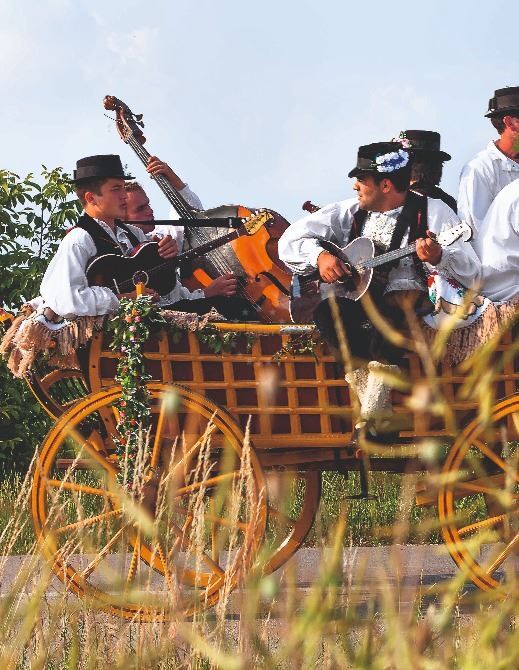
Bećarac is a unique folk tradition from Eastern Croatia, blending humorous lyrics with lively singing and instrumental music. Rooted in Slavonia, Baranja, and Srijem, this tradition reflects the region's cultural identity and has been recognized by UNESCO for its intangible heritage value.
What is Bećarac?
Bećarac is a traditional form of folk music and performance that combines singing, instrumental playing, and comedic storytelling. Characterized by its witty and often satirical lyrics, it serves as both entertainment and a means of social commentary. The tradition is typically performed in groups, with participants taking turns to sing, play instruments, and engage in playful banter.
Origins and History
Originating in the rural areas of Slavonia, Baranja, and Srijem, Bećarac has deep roots in the folk culture of Eastern Croatia. Historically, it was performed during festivals, weddings, and other communal gatherings, serving as a way to bring people together and celebrate shared heritage. The tradition has evolved over centuries, preserving its core elements while adapting to modern influences.
Musical Elements and Instruments
Bećarac incorporates a variety of traditional instruments, including the tamburica, fiddle, and accordion. The music is often lively and rhythmic, with call-and-response patterns between singers and instrumentalists. The lyrics, typically in the local dialect, are known for their humor and clever wordplay, often addressing everyday life, love, and social issues.
Cultural Significance
As a UNESCO-recognized intangible cultural heritage, Bećarac plays a vital role in preserving the identity of Eastern Croatia. It is not only a form of artistic expression but also a means of passing down cultural values and historical narratives. Efforts to document and promote Bećarac continue to ensure its survival for future generations.
Visitor Highlights
- Experience live Bećarac performances during local festivals in Slavonia and Baranja.
- Attend workshops to learn traditional instruments and singing techniques.
- Explore museums and cultural centers in cities like Osijek and Vukovar that showcase folk traditions.
- Participate in guided tours that highlight the historical and social context of Bećarac.
Practical Tips
- Best times to witness Bećarac: Summer months (June-August) during regional festivals.
- Popular venues: Folklore festivals in Slavonia, such as the Osijek Folklore Festival.
- Language: Performances are typically in the local dialect, but translations or subtitles may be available at major events.
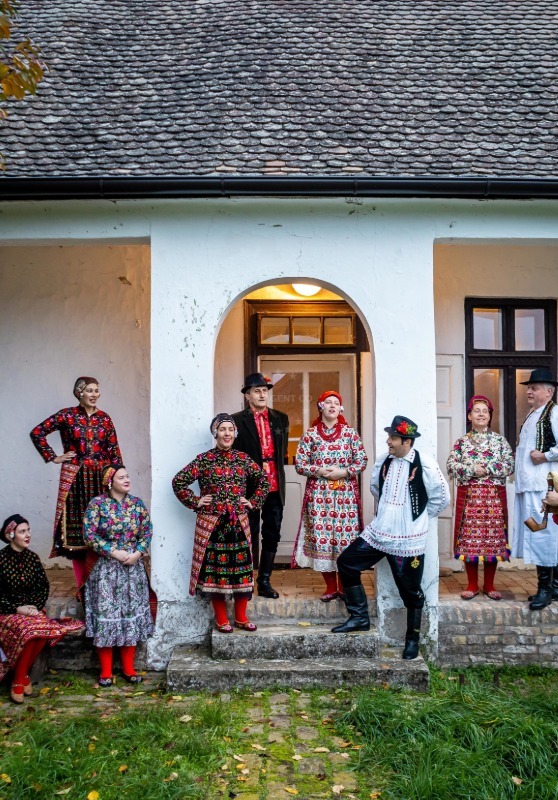
- Dress code: Casual attire is appropriate for most performances and festivals.
Frequently Asked Questions
What makes Bećarac unique compared to other folk traditions?
Bećarac stands out for its humorous and satirical lyrics, combined with lively instrumental music. It emphasizes communal participation and storytelling, making it a dynamic form of cultural expression.
Where can I experience Bećarac in Croatia?
Bećarac is most commonly experienced in the regions of Slavonia, Baranja, and Srijem. Key locations include Osijek, Vukovar, and the surrounding rural areas, especially during folk festivals.
Is Bećarac recognized by UNESCO?
Yes, Bećarac is part of Croatia's UNESCO Intangible Cultural Heritage list, highlighting its significance as a traditional practice that reflects the country's cultural diversity.
Explore yachts, catamarans and motor yachts available from Croatian bases.
Yacht Search Page