The UNESCO-Recognized Istrian Scale: A Journey into Croatia's Traditional Two-Part Singing and Playing
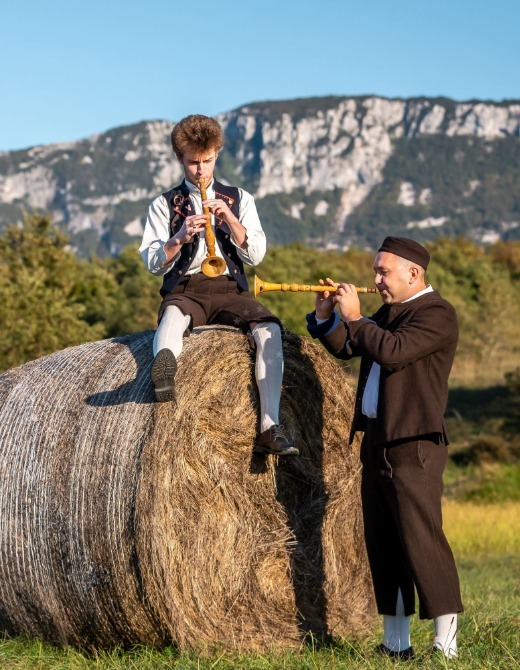
The Istrian Scale, a UNESCO-recognized tradition, represents a unique form of two-part singing and playing that originated in Istria and the Croatian coast. This intricate musical practice, characterized by its distinct vocal techniques and traditional instruments, offers a glimpse into Croatia's rich cultural heritage. Whether you're a music enthusiast or a curious traveler, experiencing the Istrian Scale live is an unforgettable journey into the heart of Croatian folklore.
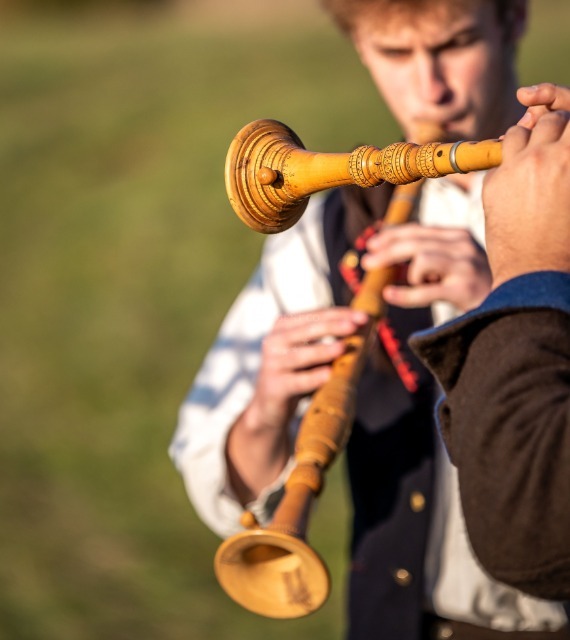
The Istrian Scale, also known as tarankanje, bugarenje, and other subtypes, is a complex musical tradition that blends vocal harmonies with the sounds of traditional instruments like the sopile (a type of wooden flute). This form of singing, which often involves nasal tones and untempered intervals, has been preserved for centuries and is a testament to the region's deep-rooted cultural identity.
Performances typically feature two singers, one using a falsetto voice and the other singing in a normal register, creating a unique interplay of sounds. The music is often accompanied by the sopile, whose distinct timbre adds to the tradition's authenticity. While the structure may appear rigid, there is significant room for improvisation, especially in the textual elements where syllables mimic the flute's sound.
The UNESCO recognition highlights the importance of this tradition in preserving Croatia's intangible cultural heritage. The practice is not limited to Istria but can be found in broader regions, reflecting its widespread influence and adaptability.
Visitor Highlights
- Experience live performances of the Istrian Scale in Istria and the Croatian Littoral, where traditional vocal techniques and instruments come to life.
- Discover the unique sopile flute and its role in accompanying the two-part singing.
- Attend local festivals or cultural events that celebrate this UNESCO-recognized tradition.
- Learn about the four subtypes of two-part singing, including tarankanje and bugarenje, and their distinct characteristics.
Practical Tips
- Visit Istria during cultural festivals or events where the Istrian Scale is performed, such as those in Rovinj or Pula.
- Explore local museums or cultural centers in Istria for exhibits on traditional music and instruments.
- Engage with local guides or musicians who can provide deeper insights into the history and techniques of the Istrian Scale.
- Consider attending workshops or demonstrations to understand the nuances of the two-part singing and playing.
Frequently Asked Questions
What is the Istrian Scale?
The Istrian Scale is a UNESCO-recognized form of two-part singing and playing originating from Istria and the Croatian coast. It involves unique vocal techniques, such as nasal tones and untempered intervals, often accompanied by traditional instruments like the sopile flute.
Why is the Istrian Scale on the UNESCO list?
The Istrian Scale is recognized by UNESCO for its significance in preserving Croatia's intangible cultural heritage. It represents a unique musical tradition that has been passed down through generations, showcasing the region's rich folklore and artistic expression.
Where can I experience the Istrian Scale?
The Istrian Scale is most commonly experienced in Istria and the Croatian Littoral. Local festivals, cultural events, and traditional performances in towns like Rovinj, Pula, and along the Croatian coast offer opportunities to witness this tradition.
Explore yachts, catamarans and motor yachts available from Croatian bases.
Yacht Search Page