Traditional Spring Procession of Ljelje/Kraljice (Queens) from Gorjani
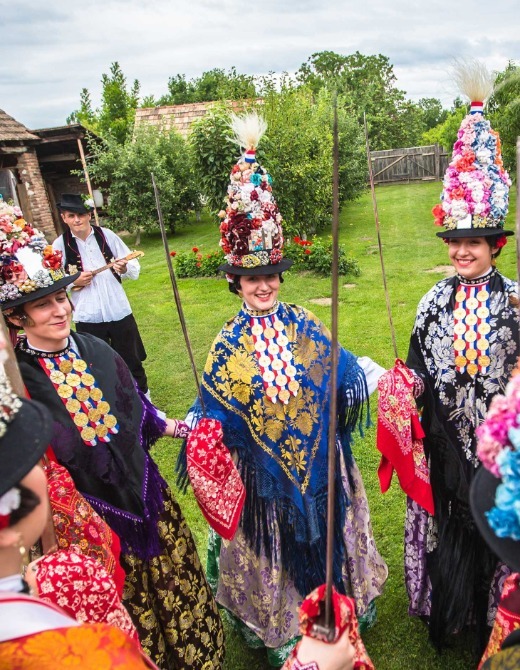
Nestled near Đakovo in Slavonia, the village of Gorjani hosts one of Croatia’s most distinctive UNESCO-recognized traditions: the Spring Procession of Ljelje/Kraljice (Queens). This vibrant celebration, held on Pentecost Sunday, blends historical storytelling, Slavic heritage, and community spirit through dance, music, and elaborate costumes. Discover how this centuries-old ritual continues to captivate locals and visitors alike.
History and Significance of the Procession
The tradition of the Ljelje/Kraljice procession dates back to the 18th century, rooted in Slavonian folklore and historical resilience. Ethnographers suggest its origins may lie in ancient Slavic matrimonial ceremonies, where young women of marriageable age participated in symbolic rites. A popular legend tells of Gorjani women donning male attire and wielding sabers during the Ottoman siege, tricking soldiers into believing they were spectral figures. This act of defiance became a cornerstone of the village’s identity.
Recognized by UNESCO for its cultural and historical value, the procession reflects the region’s unique blend of Slavic traditions and rural heritage. It remains a living testament to Gorjani’s perseverance and creativity.
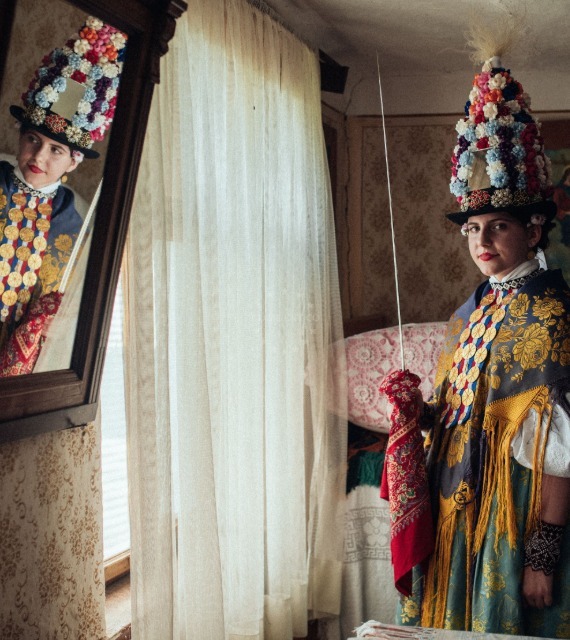
The Ritual and Its Symbolism
The procession unfolds with young women (ljelje) and men (kraljice) parading through the village in meticulously crafted costumes. Key elements include:
- Costumes: Silk dresses, gold-embroidered ribbons (ljeljare), and white floral wreaths for “queens,” while “kings” wear hats adorned with flowers.
- Weapons: Sabers, an unexpected yet integral part of the ritual, are used in synchronized dances accompanied by traditional music from gajde (bagpipes) and tambura.
- Music and Dance: Bećarac singing—a Slavonian folk tradition—adds humor and rhythm to the festivities.
The interplay of gender roles and the use of weapons symbolize themes of protection, community unity, and the transition to adulthood.
Visiting the Procession: What to Expect
Travelers attending the procession can expect a lively atmosphere filled with music, dance, and colorful attire. Key highlights include:
- Witnessing the synchronized sabre dances and bećarac performances.
- Exploring Gorjani’s village square, where the event’s historical roots are celebrated through local exhibitions.
- Sampling traditional Slavonian cuisine, such as čvarci (fried pork rind) and paprika-based dishes.
Visitors are encouraged to engage with locals, who often share stories about the procession’s origins and significance.
Visitor Highlights
- Experience a UNESCO-protected cultural event with deep historical roots.
- Admire intricately designed costumes and the symbolic use of sabers in the dance.
- Participate in or observe bećarac singing, a unique Slavonian musical tradition.
- Explore the village of Gorjani and its connection to Slavonian folklore.
- Enjoy traditional Slavonian food and drinks during the festivities.
Practical Tips
- Best Time to Visit: Pentecost Sunday (usually late May or early June).
- Getting There: Gorjani is located near Đakovo, accessible by car or bus from Zagreb or Osijek.
- Accommodation: Stay in Đakovo or nearby towns like Slavonski Brod for easy access to the event.
- Dress Code: Comfortable clothing and shoes for walking; modest attire is respectful for the cultural event.
- Photography: Capturing the procession is encouraged, but be mindful of local customs and ask for permission when photographing participants.
Frequently Asked Questions
What is the significance of the sabers in the procession?
Sabers are a symbolic element of the ritual, representing historical defiance during the Ottoman siege and serving as a key prop in the synchronized dance performed by participants.
Why are some participants called 'queens' and others 'kings'?
Participants wearing white floral wreaths are called 'queens,' while those in male attire with flower-adorned hats are called 'kings,' reflecting the tradition’s historical and symbolic gender roles.
Is the procession still practiced today?
Yes, the tradition continues to be celebrated annually in Gorjani, preserved as a UNESCO-recognized cultural heritage event.
Explore yachts, catamarans and motor yachts available from Croatian bases.
Yacht Search Page