Night Diving with Underwater Lighting in Croatia: Explore the Hidden Depths
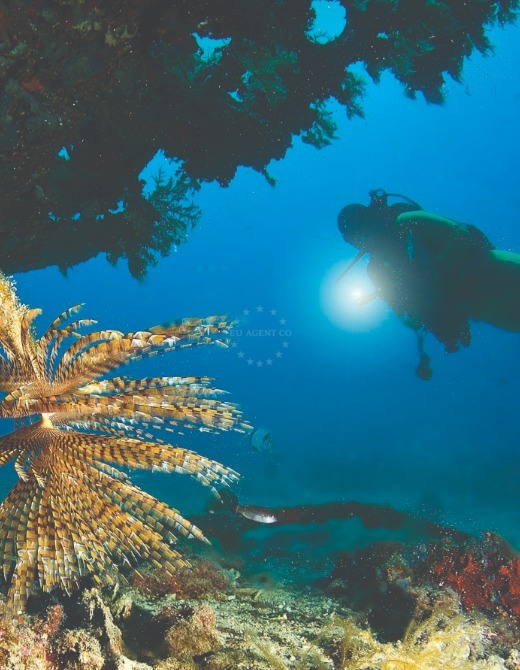
Embark on an extraordinary underwater adventure in Croatia by exploring the depths of the Adriatic Sea with specialized lighting. Night diving with flashlights reveals a hidden world of marine life, vibrant coral reefs, and unique underwater landscapes that are only visible in the glow of artificial light. This experience offers a rare opportunity to witness the ocean's beauty in a way that daytime diving cannot replicate.
Why Underwater Lighting Matters
Artificial lighting is essential for night diving and low-visibility dives, such as cave or wreck diving. As sunlight diminishes with depth, colors fade, and the underwater world becomes a monochrome realm. Divers use flashlights and torches to restore color, enhance visibility, and communicate effectively during dives. Additionally, lighting helps in documenting the true beauty of marine ecosystems and navigating safely in dark environments.
Underwater lighting also plays a crucial role in safety. Backup torches, strobe lights, and position-indicating beacons are vital for marking a diver's location and ensuring visibility during night dives. These tools are especially important in Croatia's diverse diving sites, where underwater caves, shipwrecks, and coral reefs require careful navigation.
Types of Underwater Lighting Equipment
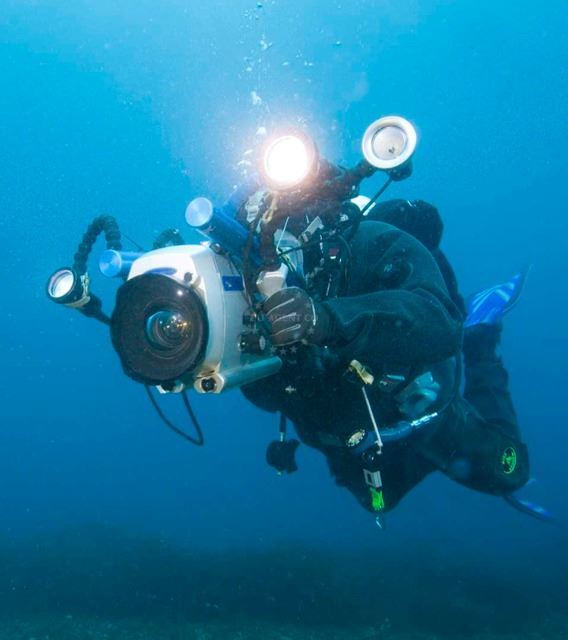
Divers use a variety of lighting systems, ranging from handheld torches to advanced LED and HID (High-Intensity Discharge) technology. LED lights are preferred for their energy efficiency, long battery life, and bright illumination. For technical dives, such as cave or wreck exploration, divers may use cable-connected systems where the light source is attached to the helmet, allowing hands-free operation.
It is essential to carry a backup light source, as primary lights can fail due to water ingress or battery depletion. Divers should also ensure their flashlight is securely attached to their buoyancy compensator (BCD) using a rope or snap-link to prevent loss during a dive.
Safety Tips for Night Diving
When diving at night, safety should be the top priority. Always dive with a buddy and ensure both are equipped with reliable lighting systems. Establish clear hand signals and communication protocols before the dive. Avoid diving in unfamiliar areas without proper training, as night diving requires additional skills and experience.
Plan your dive carefully, considering the depth, duration, and potential hazards of the site. Use surface markers, such as strobe lights or beacons, to increase visibility and reduce the risk of being lost. Always carry a backup light and know how to use it in case of an emergency.
Visitor Highlights
- Experience the vibrant marine life of Croatia's Adriatic Sea under the glow of artificial light.
- Discover hidden underwater caves, shipwrecks, and coral reefs that are only visible at night.
- Witness the unique behavior of nocturnal marine species, such as certain fish and invertebrates.
- Enhance your diving experience with advanced lighting technology, including LED and HID systems.
- Participate in guided night diving tours led by experienced instructors who specialize in low-visibility environments.
Practical Tips
- Always carry a backup light source, such as a small flashlight or dive torch, in case of equipment failure.
- Secure your primary light to your BCD using a rope or snap-link to prevent it from drifting away.
- Use strobe lights or beacons as surface markers during night dives to increase visibility and safety.
- Practice hand signals and communication protocols with your dive buddy before the dive.
- Choose dive sites with experienced guides who are familiar with night diving procedures and safety measures.
Frequently Asked Questions
Is night diving safe for beginners?
Night diving is generally not recommended for beginners due to the increased risks and the need for specialized training. It is best suited for experienced divers who have completed night diving courses and are familiar with the unique challenges of low-visibility environments.
What type of lighting is best for night diving?
LED lights are the most popular choice for night diving due to their energy efficiency, long battery life, and bright illumination. HID (High-Intensity Discharge) lights are also used but are less common due to their higher power consumption and shorter battery life.
What should I do if my primary light fails during a dive?
If your primary light fails, immediately switch to your backup light and signal your dive buddy. Ascend to a safe depth and surface if necessary. Always carry a backup light and ensure it is easily accessible during the dive.
Explore yachts, catamarans and motor yachts available from Croatian bases.
Yacht Search Page