Essential Diving Gear for Exploring Croatia's Adriatic Waters
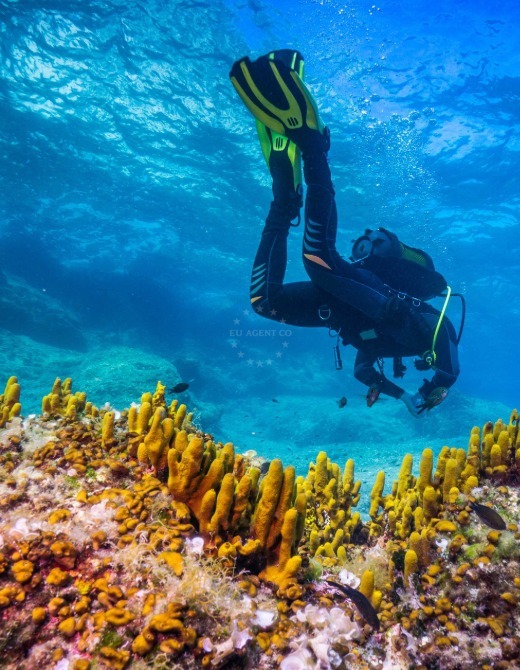
Croatia's Adriatic coastline offers some of the most breathtaking diving experiences in Europe. Whether you're exploring sunken ships, vibrant coral reefs, or encountering marine life, having the right equipment and knowledge is crucial for a safe and enjoyable dive. This guide covers essential gear, usage tips, and local diving practices to help you make the most of Croatia's underwater wonders.
Key Diving Equipment Components
- Mask: A well-fitting mask is essential to prevent water ingress. Full-face masks are recommended for beginners for easier breathing and communication.
- Fins: Provide propulsion efficiency and reduce leg fatigue during dives.
- Diving Suit: Wet suits protect against cold water, while dry suits offer insulation in colder conditions.
- Buoyancy Compensator (BCD): Helps maintain neutral buoyancy for safe ascents and descents.
- Regulator and Air Tank: Critical for scuba diving, ensuring a steady air supply underwater.
- Underwater Lighting: Essential for visibility in deeper waters and night diving experiences.
Safety Tips for Divers in Croatia
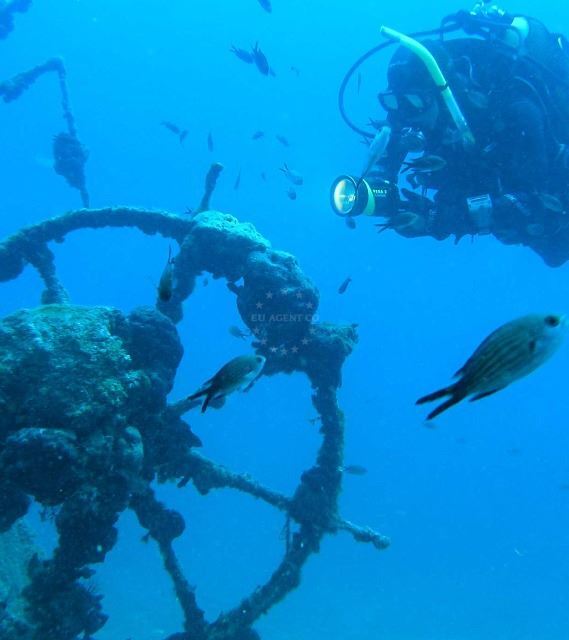
Croatia's diving sites range from shallow coastal areas to deeper wrecks. Always:
- Check local diving regulations and protected marine areas.
- Use certified diving centers for equipment rental and guided dives.
- Never dive alone; always have a buddy.
- Monitor depth and time to avoid decompression sickness.
- Respect marine life and avoid touching coral or protected species.
Visitor Highlights
- Explore the Adriatic Sea's clear waters with visibility up to 50 meters.
- Discover sunken Roman galleys and naval wrecks in the Dubrovnik area.
- Swim with mediterranean sea turtles near the Kornati Islands.
- Experience night diving with specialized underwater lighting in Split.
- Visit protected marine parks like the Telašćica Nature Park.
Practical Tips
Before diving in Croatia:
- Choose a certified diving school for training and equipment rental (e.g., in Split or Dubrovnik).
- Check weather conditions and sea currents before diving.
- Use local dive centers for guided tours to popular sites like the Šunj wreck or Biševo Cave.
- Always carry a diving knife for safety in case of entanglement.
- Consider eco-friendly diving practices to protect Croatia's marine ecosystems.
Frequently Asked Questions
What diving gear is essential for beginners in Croatia?
Beginners should prioritize a well-fitting mask, fins, a wet suit, a buoyancy compensator (BCD), a regulator, and an air tank. Full-face masks are recommended for easier breathing and communication.
Are there diving schools in Croatia for certification?
Yes, Croatia has numerous certified diving centers in cities like Split, Dubrovnik, and Rovinj. These schools offer PADI, SSI, and CMAS courses for all skill levels.
What are the best diving spots in Croatia?
Popular sites include the Šunj wreck near Dubrovnik, Biševo Cave in the Blue Grotto, and the Kornati Islands' coral reefs. The Adriatic Sea's clear waters make these locations ideal for underwater exploration.
Explore yachts, catamarans and motor yachts available from Croatian bases.
Yacht Search Page