Dangerous Marine Species for Divers and Swimmers in the Adriatic Sea
Croatia's Adriatic Sea is home to a diverse range of marine life, including some species that divers and swimmers should be cautious of. While encounters with dangerous marine creatures are rare, understanding which species to avoid and how to react can ensure a safer underwater experience. This guide highlights key hazardous species, their behaviors, and practical tips for minimizing risks during your diving or swimming adventures.
Key Dangerous Marine Species in the Adriatic
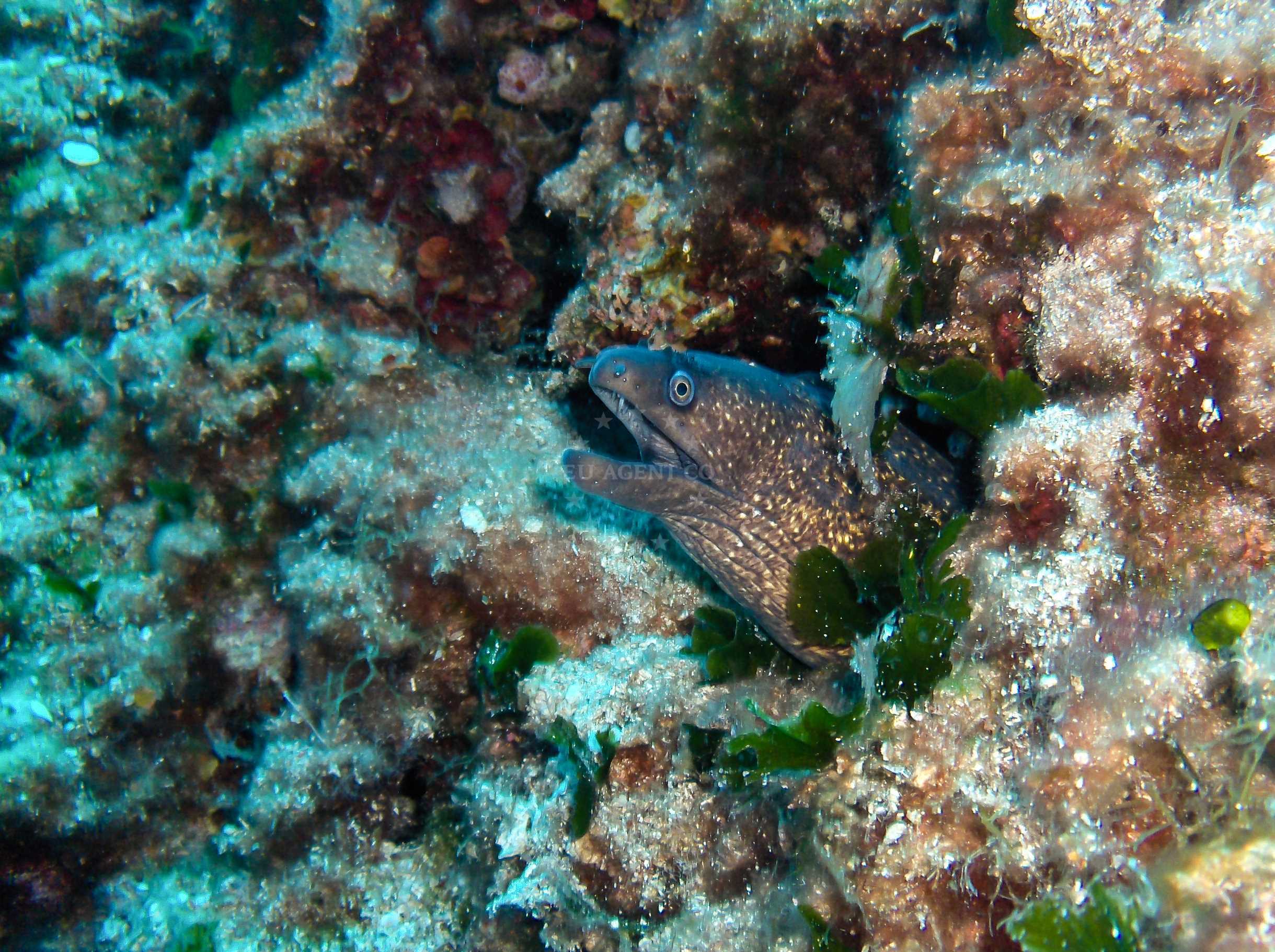
Moray Eels: These elusive predators often hide in crevices. They defend themselves aggressively when threatened, delivering painful bites. Their venomous blood is neutralized by heat, so cooking affected areas can reduce toxicity.
Scorpionfish and Sea Scorpions: Easily identifiable by their venomous spines, these fish are generally non-aggressive but can cause severe pain if touched. Avoid contact with their dorsal, pectoral, and anal fins.
Weevers: The starry weaver, the smallest species, has venomous spines on its dorsal fin. Fishermen are frequent victims, as dead fish retain venom in their spines.
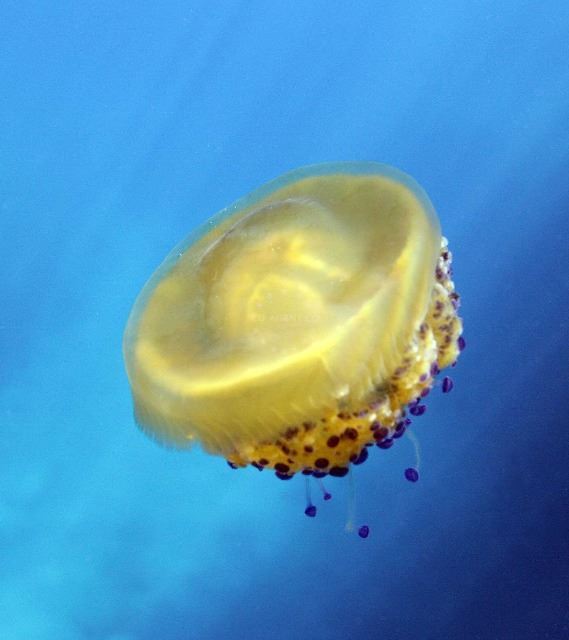
Jellyfish: The Pelagia noctiluca jellyfish occasionally appears in large numbers, causing stings. Most jellyfish are not lethal, but their stings can be painful and require prompt treatment.
Stingrays and Devil Rays: While their venom is less potent, their tail spines can cause serious injury. Maintain a safe distance and avoid sudden movements near the seabed.
Visitor Highlights
- Most Adriatic marine species are not lethal but require caution to avoid provoking them.
- Moray eels and scorpionfish are common hazards, with venomous spines or bites.
- Jellyfish stings, particularly from Pelagia noctiluca, are frequent but treatable.
- Stingrays and devil rays pose physical risks due to their tail spines.
- Non-lethal encounters are avoidable with proper awareness and behavior.
Practical Tips
- Never touch or provoke marine life, even if it appears harmless.
- Wear protective gear like wetsuits and gloves to minimize skin exposure.
- Learn basic first aid for jellyfish stings and venomous fish bites.
- Stay alert to your surroundings and avoid resting on the seabed where hidden hazards may lurk.
- Follow local diving guidelines and avoid areas with known hazardous species activity.
Frequently Asked Questions
What should I do if stung by a jellyfish?
Rinse the affected area with seawater, not fresh water. Remove any remaining tentacles with tweezers or a credit card. Apply heat (e.g., hot water) to neutralize the venom and seek medical attention if symptoms persist.
How can I avoid dangerous marine species while diving?
Avoid touching or provoking marine life, stay on marked diving paths, and maintain situational awareness. Divers should avoid resting on the seabed and keep a safe distance from crevices or areas with visible spines.
Are there any lethal marine species in the Adriatic Sea?
No species in the Adriatic Sea are known to be lethal to humans. Most encounters can be avoided by exercising caution and respecting marine life.
Explore yachts, catamarans and motor yachts available from Croatian bases.
Yacht Search Page