Dangerous Animals in Croatia: What to Avoid
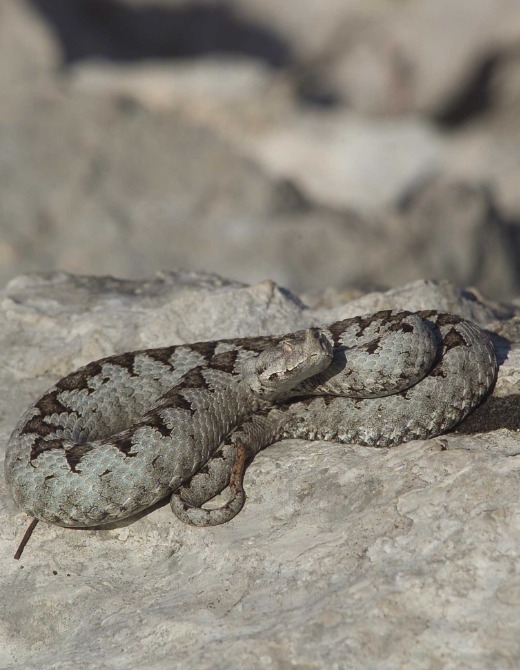
Croatia’s stunning natural landscapes are home to a variety of wildlife, but some creatures require caution. While the country’s biodiversity is a major attraction, visitors should be aware of venomous snakes, ticks, and spiders that can pose risks. This guide highlights the most dangerous animals in Croatia and provides essential safety tips for outdoor enthusiasts.
Key Dangerous Animals to Avoid
Croatia is home to several species that can pose risks to visitors, including:
- Vipers: Three venomous snake species (horned viper, European viper, and meadow viper) are present. Identify them by their zig-zag stripes, stocky bodies, and vertically slit pupils.
- Ticks: Common in forested areas, ticks can transmit diseases like Lyme borreliosis. Wear long clothing and check for attached ticks after outdoor activities.
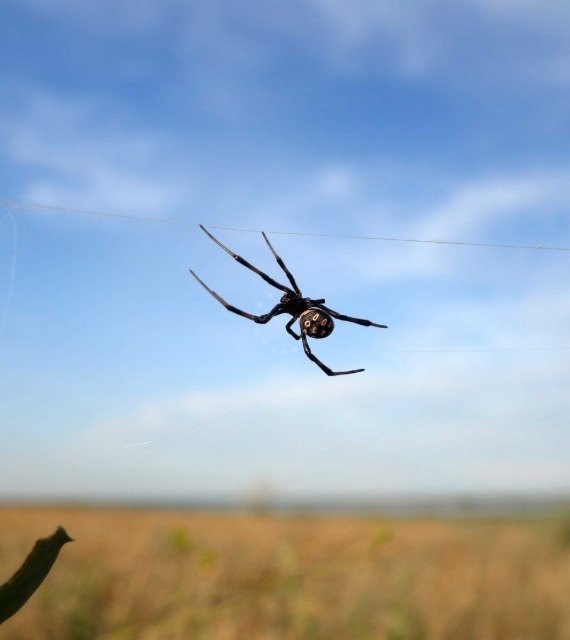
- Black Widow Spiders: Found in secluded areas like gardens, basements, and under rocks. Their bites may cause delayed symptoms requiring immediate medical attention.
Snakes are more active during warmer months, so wear sturdy shoes and long trousers in natural areas. If bitten, remain calm, immobilize the affected area, and seek medical help immediately.
Visitor Highlights
- Three venomous snake species are present in Croatia, identifiable by distinct markings.
- Black widow spiders, Europe’s most venomous spider, are found in secluded outdoor spaces.
- Ticks are prevalent in forests and can transmit diseases; prevention is key.
- Follow safety protocols for snake bites, including immobilizing the affected area and seeking medical care.
Practical Tips
- Wear long trousers and sturdy shoes in natural areas to reduce snake encounter risks.
- Inspect clothing and skin for ticks after spending time outdoors.
- Avoid touching spiders in secluded areas, especially those with black bodies and red markings.
- Carry a first-aid kit for minor injuries and know the location of the nearest medical facility.
- Stay on marked trails to minimize exposure to wildlife.
Frequently Asked Questions
What should I do if bitten by a venomous snake in Croatia?
Remain calm, immobilize the bitten area, avoid removing venom by mouth, and seek immediate medical attention. Call emergency services at 112.
Are there jellyfish in Croatia’s coastal waters?
While not explicitly mentioned in this guide, some coastal areas may have jellyfish. Exercise caution when swimming in unfamiliar waters.
How can I prevent tick bites in Croatia?
Wear long clothing, use insect repellent, and check for ticks after outdoor activities. Remove attached ticks promptly with fine-tipped tweezers.
Explore yachts, catamarans and motor yachts available from Croatian bases.
Yacht Search Page