Dangerous Plants in Croatia: Nature's Hidden Risks
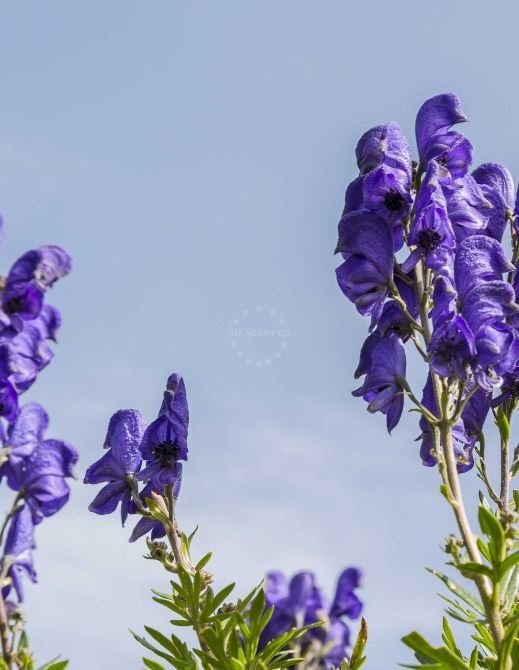
Croatia's lush landscapes offer breathtaking natural beauty, but some plants pose serious risks to visitors. From toxic flora to deceptive look-alikes, understanding these dangers is crucial for safe exploration. Learn about the most hazardous plants and how to protect yourself while enjoying Croatia's wilderness.
Key Dangerous Plants to Avoid
Croatia's diverse ecosystems host several plants that can cause severe health issues if mishandled. Two of the most notable are:
1. Autumn Crocus (Colchicum autumnale)
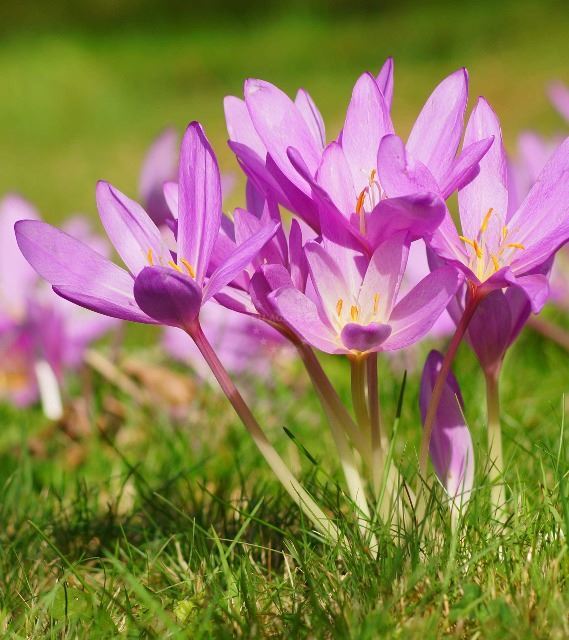
This highly toxic plant resembles edible wild garlic (Allium ursinum), leading to frequent misidentification. Found in wet meadows and pastures, its saffron-like flowers appear in autumn. All parts of the plant, especially the bulb and seeds, contain colchicine, which can cause vomiting, organ failure, and even death.
2. Henbane ()
Native to rocky beech forests and humid slopes, this plant contains tropane alkaloids that can cause hallucinations, delirium, and respiratory failure. Historically used in medieval love potions, it remains a serious threat today.
Visitor Highlights
- Autumn crocus: Deadliest plant in Croatia, mimics edible wild garlic
- Henbane: Toxic hallucinogen found in forested areas
- Protective measures: Use field guides, avoid touching unknown plants
- Emergency protocols: Seek immediate medical help if exposure occurs
Practical Tips
- Carry a plant identification app or field guide during hikes
- Never consume wild plants without expert verification
- Keep children and pets away from unfamiliar vegetation
- Report sightings of toxic plants to local authorities
- Store first-aid kits with activated charcoal for accidental exposure
Frequently Asked Questions
What should I do if I suspect poisoning from a plant?
Immediately seek medical attention. Bring a sample of the plant if possible, and inform healthcare providers about potential exposure.
Are there other dangerous plants in Croatia besides autumn crocus?
Yes, including henbane, poison ivy ( Toxicodendron radicans ), and various toxic mushrooms. Always exercise caution with unfamiliar flora.
Can I safely forage for wild plants in Croatia?
Only if you have expert knowledge. Many edible plants have toxic look-alikes, and misidentification can be fatal.
Explore yachts, catamarans and motor yachts available from Croatian bases.
Yacht Search Page