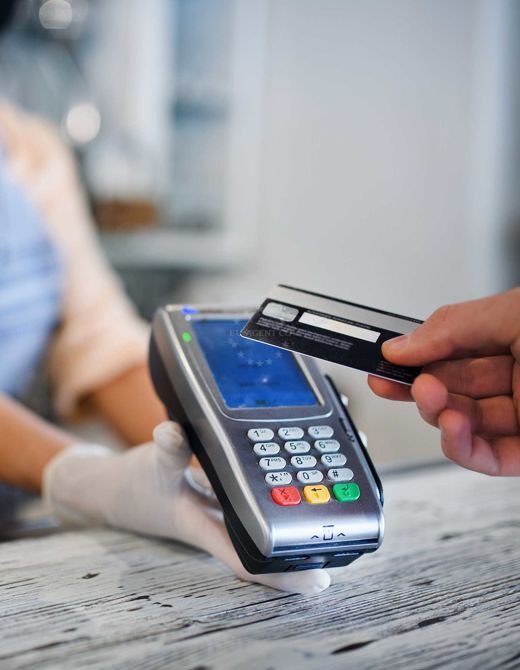
Credit and debit card payment in Croatia | EUAGENT
Card payment in Croatia is possible for credit and debit cards. Find out more information on all available forms of electronic transactions in Croatia.
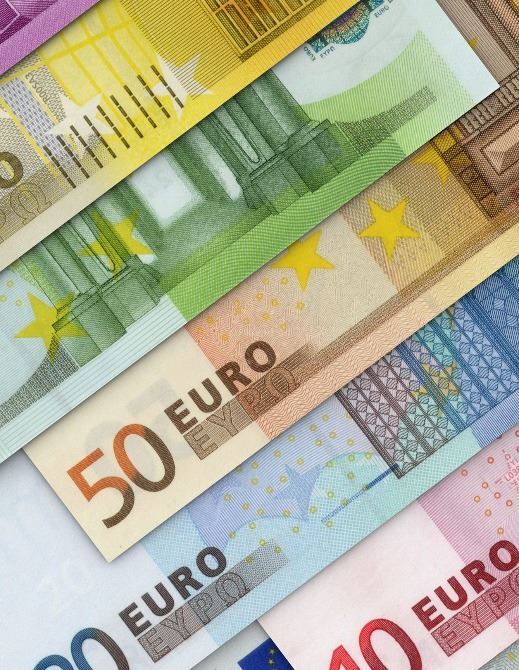
Croatia's currency: EURO & current rate | EUAGENT
The official currency in Croatia is the euro. Discover unique Croatian euro coins and get insights on the official exchange rate.
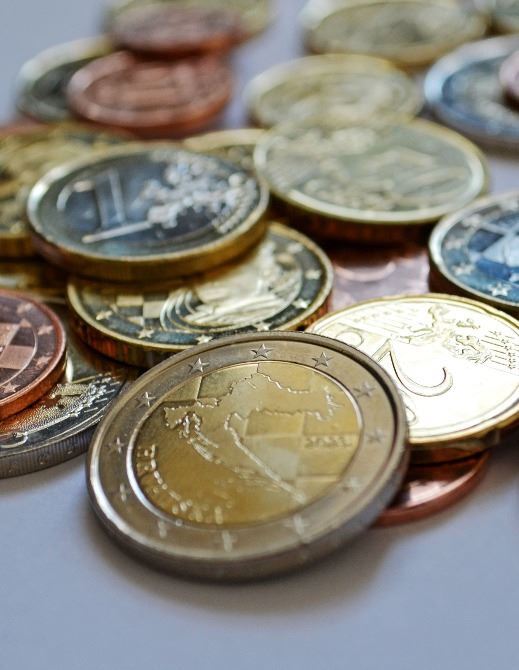
Currency, taxes & payments in Croatia | EUAGENT
Key info on Croatian currency, taxes, customs, credit card usage, and unwritten tipping rules. Navigate your finances like a local!
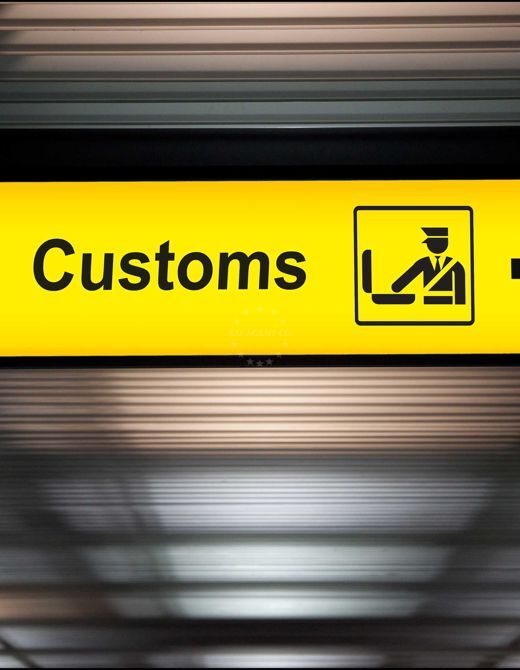
Customs information in Croatia | EUAGENT
Customs information in Croatia is regulated by EU, and includes all regulations and procedures that must be followed during the customs procedure.

Recommendations for tipping in Croatia | EUAGENT
While in some countries tipping is mandatory, leaving an additional amount of money for services in Croatia is voluntary. Find out what is recommended.
Value Added Tax and VAT refund in Croatia | EUAGENT
Value added tax or VAT is included in the retail prices in Croatia. Find out more about the Croatian tax system, VAT refund eligibility and procedures.
Croatia, as a member of the European Union, uses the euro (€) as its official currency. Whether you're exploring historic cities, relaxing on sun-kissed beaches, or sailing along the Adriatic coast, understanding how to manage money in Croatia can enhance your travel experience. This guide covers essential information on currency exchange, credit card usage, tipping customs, VAT regulations, and practical financial tips to help you navigate Croatia with confidence.
Visitor Highlights
- ✅ Croatia uses the euro (€) as its official currency since 2023.
- 💳 Credit and debit cards are widely accepted, especially in urban areas.
- ☕ Tipping is optional, with 5-10% considered generous in restaurants.
- 🧾 VAT refunds available for purchases over €50 with a valid passport.
- 🛂 EU citizens enjoy duty-free travel for personal items under €1000.
Practical Tips
- Exchange currency at authorized banks or ATMs for the best rates.
- Keep cash secure in a money belt or hotel safe, especially in crowded areas.
- Use contactless payments where available for convenience and security.
- Ask for a tax-free form when making large purchases to claim VAT refunds.
- Carry small denominations for easier transactions in local markets.
Frequently Asked Questions
What is the best way to get euros in Croatia?
Use ATMs in banks or authorized currency exchange offices for competitive rates. Avoid informal exchange points to prevent scams.
Is tipping required in Croatia?
Tipping is optional and not mandatory. A small gratuity (5-10%) is appreciated but not expected in most situations.
How does VAT refund work in Croatia?
Tourists can claim a VAT refund on purchases over €50 by requesting a tax-free form at checkout and presenting a valid passport at the airport.
Are there customs restrictions for non-EU travelers?
Non-EU visitors can bring personal items for private use (up to €1000 value) without duty. Exceeding this limit may require customs declaration.