Currency, Taxes, and Payments in Croatia
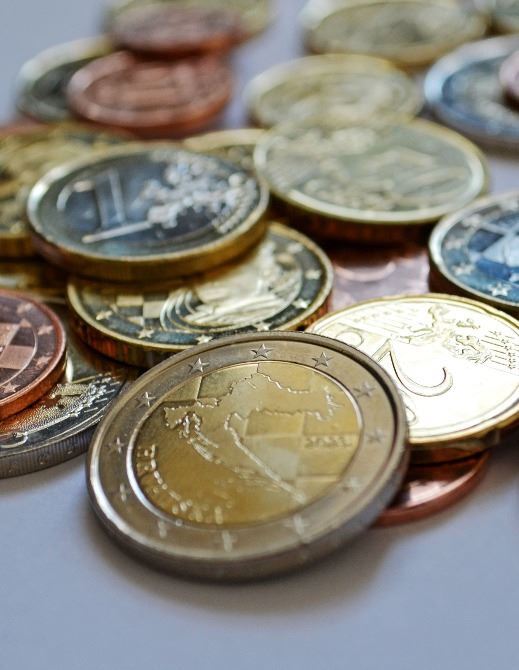
Croatia uses the euro as its official currency, with modern banking systems supporting card payments across the country. Travelers should be aware of VAT rates, customs regulations, and local tipping customs to navigate finances smoothly during their stay.
Currency
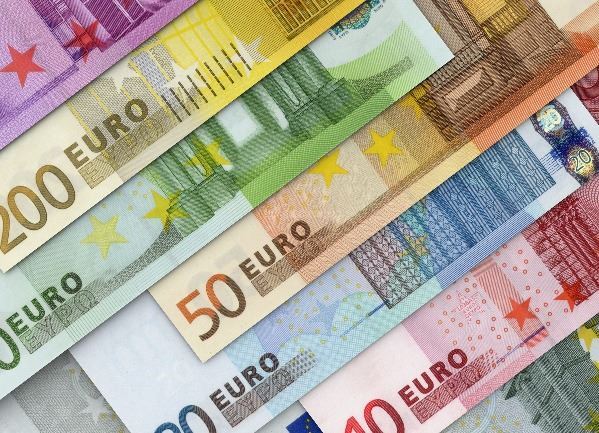
Croatia adopted the euro (EUR) in 2023, replacing the kuna. Euro coins and banknotes are widely used, with ATMs and banks readily available in cities and tourist areas. Exchange rates are stable, and major currencies can be converted at banks or authorized exchange offices.
Taxes and VAT
The standard VAT rate in Croatia is 25%, included in retail prices. Non-EU travelers may qualify for VAT refunds on purchases over €50, provided items are exported within 3 months. Tax-free shopping is available at designated stores.
Payments and Cards
Credit and debit cards are widely accepted in hotels, restaurants, and shops, especially in urban areas. While cash is still used in smaller businesses, card payments are secure and aligned with EU standards. ATMs typically offer fee-free withdrawals for international cards.
Customs and Imports
As an EU member, Croatia follows EU customs rules. Personal items for private use (e.g., clothing, electronics) are duty-free for EU citizens. Non-EU travelers may need to declare goods exceeding €1,000 in value.
Tipping Customs
Tipping is voluntary in Croatia, unlike some countries where it’s mandatory. While not required, rounding up bills or leaving 5-10% in restaurants is appreciated. Service charges are often included in bills, so additional tips are discretionary.


Visitor Highlights
- Card payments are widely accepted in Croatia, especially in cities and tourist hubs.
- Tipping is optional, with no legal requirement to leave gratuities.
- Non-EU travelers can claim VAT refunds on purchases made in Croatia.
- EU citizens enjoy duty-free imports of personal items under €1,000.
- ATMs and banks provide easy access to cash, with fees often waived for international cards.
Practical Tips
- Carry some cash for small vendors or rural areas where card payments may not be accepted.
- Ask for a VAT refund form at stores offering tax-free purchases, and submit it at the airport before departure.
- Use ATMs affiliated with major banks (e.g., Zagreb Bank, Privredna Banka) to avoid high fees.
- Be aware that some restaurants may add a service charge to bills, which should be clarified before tipping.
- Check bank hours, as some branches may have limited operating times in smaller towns.
Frequently Asked Questions
What is the official currency in Croatia?
The official currency in Croatia is the euro (EUR), adopted in 2023 after replacing the kuna.
Can I use credit cards in Croatia?
Yes, credit and debit cards are widely accepted in hotels, restaurants, and shops, particularly in urban areas.
Is tipping required in Croatia?
Tipping is voluntary in Croatia. While not mandatory, leaving 5-10% in restaurants or rounding up bills is appreciated.
What is the VAT rate in Croatia?
The standard VAT rate in Croatia is 25%, included in retail prices for most goods and services.
How can I get a VAT refund in Croatia?
Non-EU travelers can claim VAT refunds on purchases over €50 by obtaining a refund form from stores and submitting it at the airport before departure.
Explore yachts, catamarans and motor yachts available from Croatian bases.
Yacht Search Page