The Pula Arena: A Magical Night in Ancient Istria
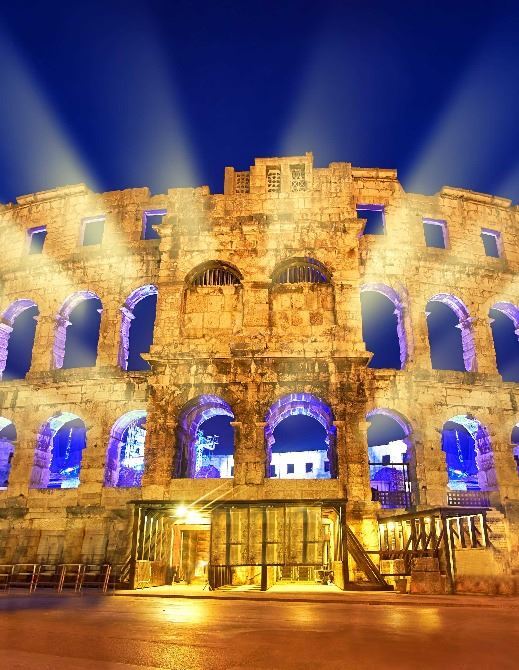
Nestled on a hill overlooking the Adriatic Sea, the Pula Arena stands as one of the most remarkable examples of Roman architecture in the world. This iconic amphitheater, believed to have been constructed in the 1st century AD, is not only a marvel of engineering but also steeped in local folklore. According to legend, it was built by fairies who worked under the moonlight, leaving behind a timeless mystery that continues to captivate visitors today.
The Pula Arena, also known as the Amphitheatre of Pula, is the sixth largest Roman amphitheater globally and the best-preserved ancient monument in Croatia. Its construction began during the reign of Emperor Augustus and was completed during the Flavian dynasty. While historical records attribute its creation to Roman engineers, local Istrian tradition tells a different story—one of magic and myth.
According to the legend, the fairies of Istria, known for their craftsmanship, built the arena overnight. They transported stones from the Učka Mountains, arranging them with precision before dawn. The unfinished roof, said to be left behind in their haste, became a symbol of the supernatural forces at play. Locals named the structure Divić-grad, meaning 'the town of miracles,' a testament to the awe-inspiring sight that greeted the first humans to witness it.
Today, the arena hosts a variety of events, from concerts to film screenings, drawing visitors who come to experience its grandeur under the stars. Its enduring legacy blends history with the enchanting tales of its origins, making it a must-visit destination for those interested in both archaeology and folklore.
Visitor Highlights
- Historical Significance: The Pula Arena is a UNESCO-protected site and a prime example of Roman engineering.
- Mythical Origins: Explore the local legend of fairies who built the amphitheater under the moonlight.
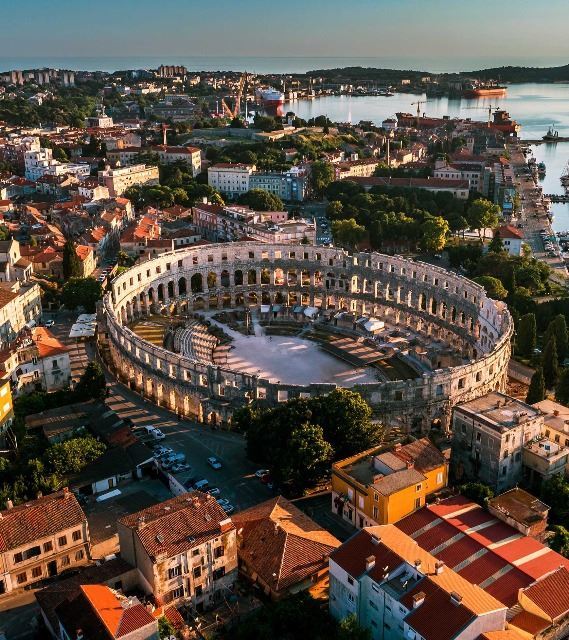
- Architectural Marvel: Admire the arena's well-preserved structure, including its original seating and stage.
- Events: Attend performances or concerts held in the arena, offering a unique blend of history and entertainment.
- Scenic Views: Enjoy panoramic views of the Adriatic Sea and the surrounding Istrian landscape.
Practical Tips
- Best Time to Visit: Evenings are ideal for experiencing the arena's magical ambiance, especially during summer when events are held.
- Guided Tours: Consider joining a guided tour to learn about the arena's history and the legends surrounding its construction.
- Photography: Capture the arena's grandeur against the sunset or under the stars for stunning photos.
- Nearby Attractions: Explore Pula's Roman Forum, the Temple of Augustus, and the city's vibrant coastal promenade.
- Accessibility: The site is accessible to visitors with mobility challenges, with pathways and viewing areas available.
Frequently Asked Questions
What is the history of the Pula Arena?
The Pula Arena was constructed during the Roman Empire, beginning in the 1st century AD under Emperor Augustus and completed during the Flavian dynasty. It is one of the best-preserved Roman amphitheaters in the world.
What is the legend behind the Pula Arena's construction?
Local folklore claims that the arena was built by fairies who worked under the moonlight, transporting stones from the Učka Mountains and completing the structure before sunrise.
Are there events held at the Pula Arena?
Yes, the arena hosts various events, including concerts, film screenings, and cultural festivals, especially during the summer months.
Explore yachts, catamarans and motor yachts available from Croatian bases.
Yacht Search Page