Croatia’s Contribution to Fashion: The Necktie’s Global Journey
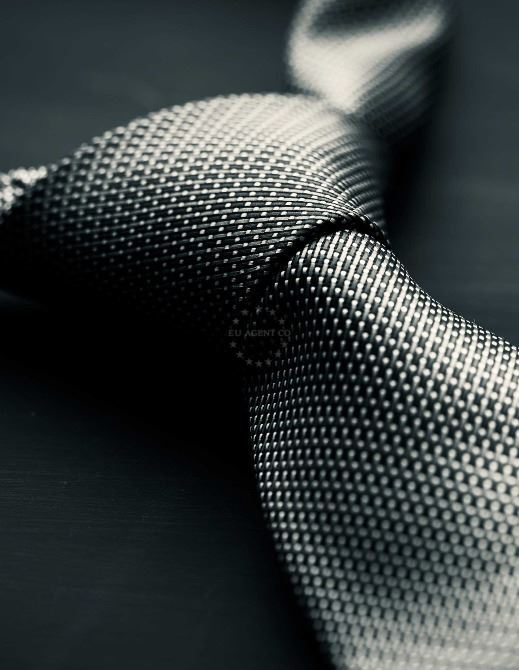
Croatia’s influence on global fashion is often overlooked, yet the humble necktie traces its origins to the country’s military heritage. This article explores how Croatian soldiers in the 17th century unknowingly sparked a sartorial revolution, transforming a practical accessory into a symbol of sophistication worldwide.
The Origins of the Necktie in Croatia
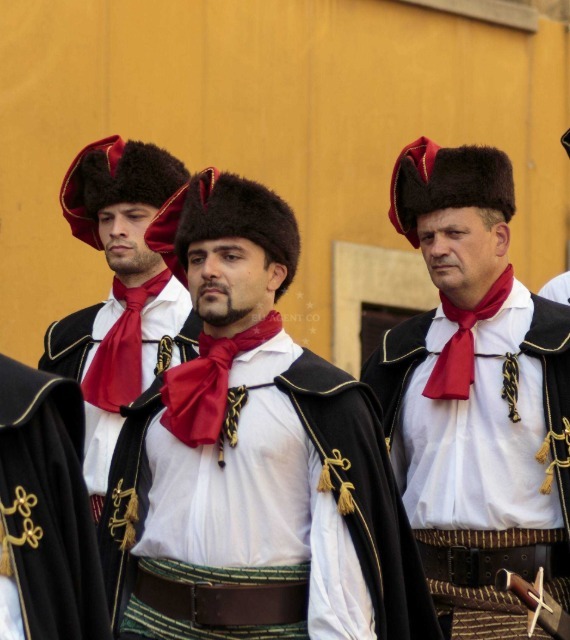
During the Thirty Years’ War (1618–1648), Croatian mercenaries in French service distinguished themselves by wearing silk neckbands tied around their necks. These scarves, initially practical for protection against swords, became a mark of identity. French nobles admired the style, leading to its adoption in aristocratic circles.
From Military Use to Fashion Icon
The necktie’s evolution accelerated in the 18th century. By the 1720s, it had become a staple of European menswear, with the term ‘cravat’ (derived from the Croatian word ‘kravata’) entering fashion lexicons. The accessory’s versatility—worn with coats, waistcoats, and later suits—cemented its place in global fashion.
Croatia’s Cultural Legacy
Today, Croatia’s role in fashion history is celebrated through museums and cultural events. The 177,147 documented ways to tie a necktie, as calculated by mathematicians in 2011, underscore its enduring appeal and the country’s indirect influence on sartorial innovation.
Visitor Highlights
- Discover how Croatian soldiers’ practical neckbands became a global fashion staple
- Learn about the 17th-century Thirty Years’ War connection to the necktie’s origin
- Explore Croatia’s role in shaping modern menswear traditions
- See how the term ‘cravat’ reflects Croatian linguistic influence
- Understand the 177,147 ways to tie a necktie, a testament to its versatility
- Visit Croatian museums to trace the accessory’s journey from military use to haute couture
Practical Tips
- Visit the Museum of Croatian History in Zagreb for exhibits on 17th-century military attire
- Explore the Croatian Fashion Week to see modern interpretations of traditional styles
- Attend the Dubrovnik Summer Festival, where historical reenactments showcase period costumes
- Try a traditional Croatian ‘kravata’ (necktie) in local boutiques or markets
- Take a guided tour of historical sites linked to the Thirty Years’ War
- Consult fashion historians in Split for deeper insights into the necktie’s evolution
Frequently Asked Questions
Why is Croatia linked to the origin of the necktie?
Croatian mercenaries in the 17th century wore silk neckbands during the Thirty Years’ War. These practical accessories, later adopted by French nobles, evolved into the modern necktie.
How did the necktie become a global fashion staple?
French aristocrats admired Croatian soldiers’ neckbands, leading to their adoption in European courts. By the 18th century, the ‘cravat’ became a standard menswear accessory worldwide.
Are there museums in Croatia dedicated to fashion history?
Yes, the Museum of Croatian History in Zagreb and the Fashion Museum in Split showcase traditional and modern Croatian fashion, including the necktie’s evolution.
Explore yachts, catamarans and motor yachts available from Croatian bases.
Yacht Search Page