Discover Croatia's Untouched Natural Wonders
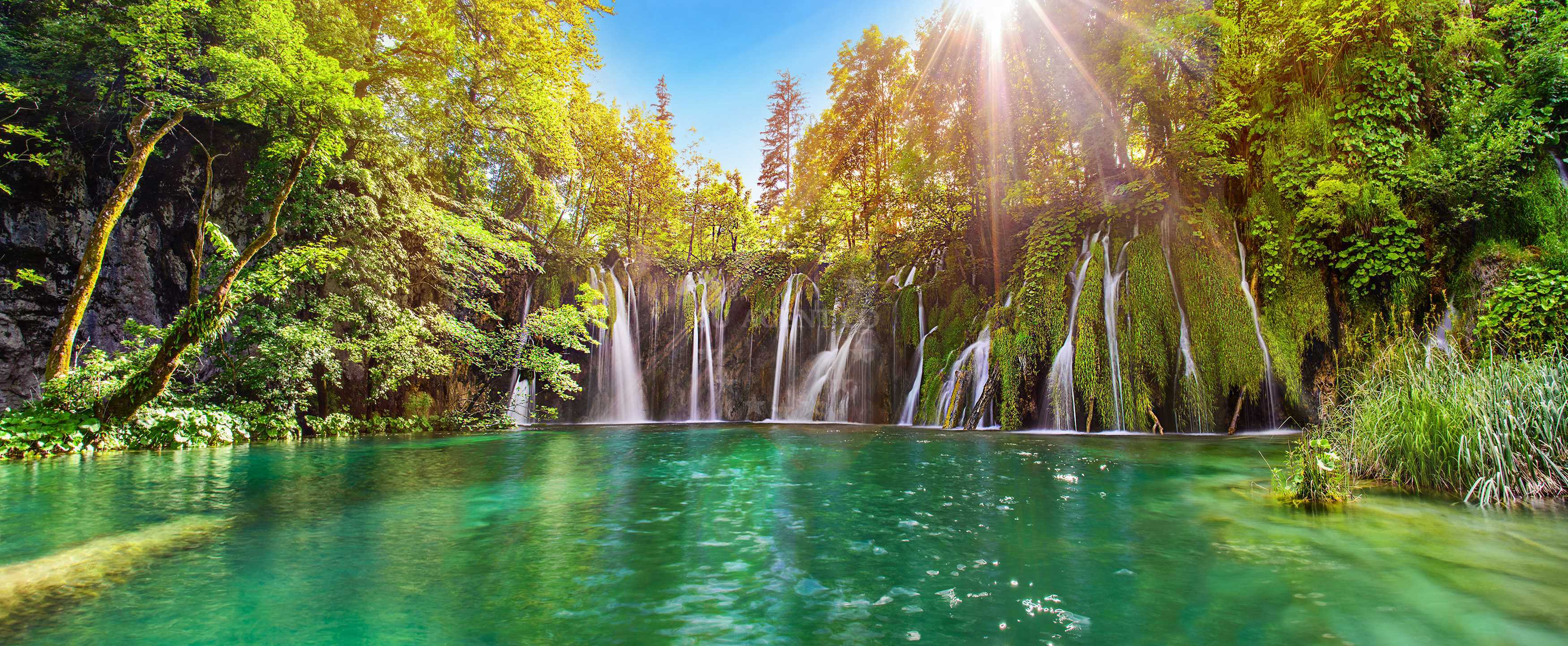
Croatia is a land of breathtaking natural beauty, where over 10% of its territory is protected as national parks, nature parks, and reserves. From the cascading waterfalls of Plitvice Lakes to the tranquil isles of Kornati, Croatia's untouched landscapes offer a sanctuary for nature lovers and adventure seekers alike.
National Parks and Protected Areas
Croatia boasts 8 national parks and 13 nature parks, covering 8.54% of the country's territory. These protected areas include:
- Plitvice Lakes National Park (UNESCO World Heritage Site)
- Brijuni National Park (Mediterranean island paradise)
- Northern Velebit National Park (Alpine wilderness)
- Kornati National Park (archipelago of 89 islands)
- Mljet National Park (lagoons and forests)
These parks safeguard over 9,000 plant species and 24,000 animal species, including 1,091 endemic species unique to Croatia.
Forests and Flora
Croatia's diverse ecosystems include:
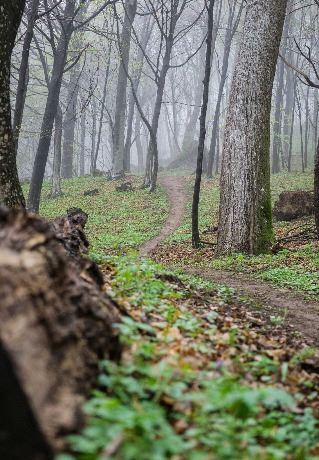
- Lowland oak forests
- Beach forests (dominant tree species)
- Alpine spruce and fir forests
- Mediterranean pine and cypress woodlands
These forests provide habitats for rare species like the European brown bear, lynx, and Dalmatian pelican.
Must-See Natural Attractions
- Plitvice Lakes: 16 cascading lakes and waterfalls formed by travertine deposits
- Brijuni Islands: Subtropical flora and fauna in a protected archipelago
- Kornati Islands: Limestone isles with crystal-clear waters and marine life
- Northern Velebit: Alpine landscapes with rare plant species like Velebit degenia
- Mljet National Park: Two lagoons, forests, and the ancient monastery of St. Luke
Practical Tips
Exploring Croatia's Nature
- Best times to visit: Spring (May-June) for wildflowers, autumn (September-October) for mild weather
- Stay on marked trails to protect fragile ecosystems
- Use eco-friendly sunscreen to preserve marine life
- Join guided tours for rare species like the endemic Croatian hamster
- Respect protected areas: Some parks require permits for overnight stays
Frequently Asked Questions
How much of Croatia is protected nature?
Approximately 10% of Croatia's territory is designated as national parks, nature parks, and protected areas, covering 12.22% of its land area.
What makes Plitvice Lakes unique?
Plitvice Lakes features 16 interconnected lakes and waterfalls formed by travertine deposits, creating a UNESCO World Heritage Site with vibrant turquoise waters.
Are there endemic species in Croatia?
Yes, Croatia is home to 1,091 endemic plant and animal species, including the Dalmatian pelican and the Croatian hamster.
Explore yachts, catamarans and motor yachts available from Croatian bases.
Yacht Search Page