The Penkala: Croatia's Mechanical Pencil Invention That Changed Writing
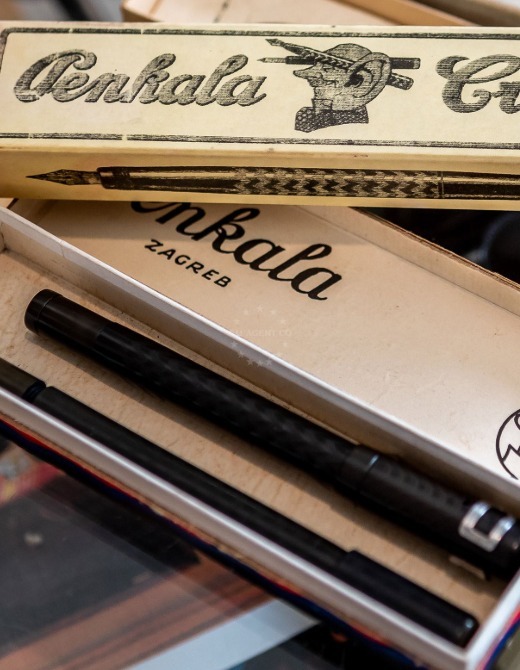
The Penkala, invented by Croatian engineer Eduardo Slavoljub Penkala in 1906, revolutionized writing by introducing the world's first mechanical pencil. This innovation eliminated the need for sharpening, offering a sleek, efficient alternative to traditional pencils. From students drafting their first essays to professionals crafting intricate designs, the Penkala became a global staple. Explore its history, impact, and enduring relevance in this article.
The Birth of an Innovation
Eduardo Slavoljub Penkala (1871–1922) was a visionary engineer whose work transcended borders. His invention, patented on January 24, 1906, under numbers 36946 (Budapest), 3690/1906 (London), and 183242 (London), marked a turning point in writing tools. Unlike wooden pencils requiring frequent sharpening, Penkala's design featured a replaceable graphite rod housed in a metal casing, allowing users to write continuously without interruption.
Penkala's workshop in Zagreb, located at Trg kralja Tomislava 17, became the birthplace of this innovation. The invention quickly gained traction, with the Penkala pencil becoming a symbol of Croatian ingenuity on the global stage.
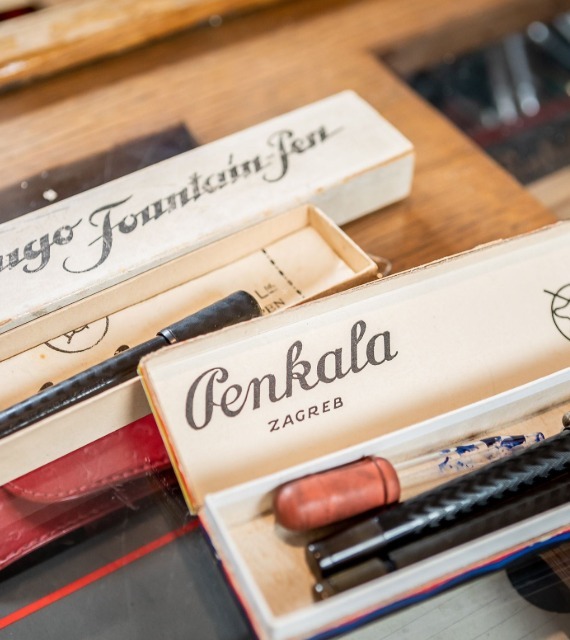
Global Impact and Legacy
The Penkala's influence extended far beyond Croatia. Its mechanical design laid the foundation for modern pencils, influencing industries from education to engineering. Today, millions of people worldwide use variations of Penkala's design, a testament to its enduring utility.
Penkala's legacy is preserved in historical records and cultural narratives, highlighting Croatia's role in shaping everyday tools. The invention remains a proud chapter in Croatian history, celebrated for its simplicity and brilliance.
Visitor Highlights
- Innovative Design: The first mechanical pencil, eliminating the need for sharpening.
- Global Adoption: Used by millions worldwide, from students to professionals.
- Cultural Significance: A symbol of Croatian innovation in the early 20th century.
- Historical Milestone: Patented in 1906, revolutionizing writing practices globally.
Practical Tips
While the original Penkala pencils are rare today, modern mechanical pencils still reflect Penkala's design principles. Consider exploring vintage models in museums or specialty stores to appreciate this historic invention. For a deeper dive into Croatian innovations, explore related articles on other Croatian contributions to global culture and technology.
Frequently Asked Questions
Who invented the Penkala?
The Penkala was invented by Croatian engineer Eduardo Slavoljub Penkala in 1906.
What made the Penkala a significant invention?
The Penkala introduced the world's first mechanical pencil, eliminating the need for sharpening and offering a continuous writing experience.
Where was the Penkala patented?
The Penkala was patented in Budapest (number 36946), London (numbers 3690/1906 and 183242).
Explore yachts, catamarans and motor yachts available from Croatian bases.
Yacht Search Page