The Legend of Grobnik: How the Bell Ringers Scared Off an Invading Army
Nestled near Rijeka, the Grobnik legend tells of a fearsome 16th-century encounter between Croatian shepherds and Ottoman invaders. This article explores how the iconic zvončari (bell ringers) of Kastav transformed a defensive strategy into a vibrant carnival tradition that still captivates visitors today.
The Origins of the Bell Ringers' Tradition
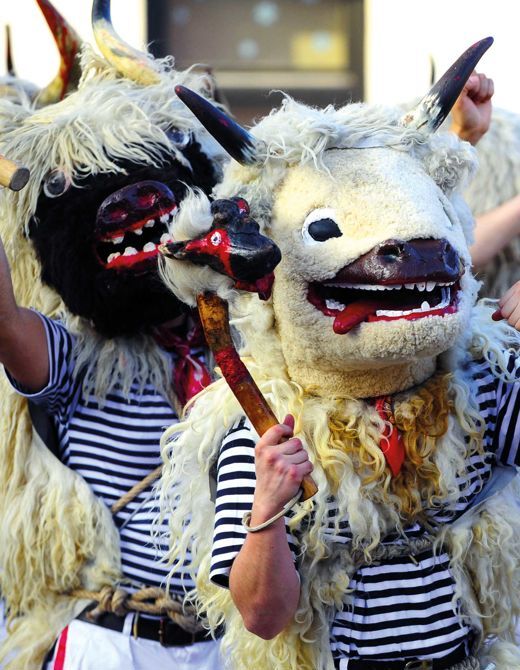
During the Ottoman threat, local shepherds devised a clever ruse to protect their livestock and village. Dressed in intimidating horned masks, sheepskins, and wielding axes, they created the illusion of a massive army through synchronized bell-ringing and the use of straw-filled costumes. The resulting cacophony and eerie spectacle reportedly caused the Ottomans to retreat, mistaking the group for a larger force.
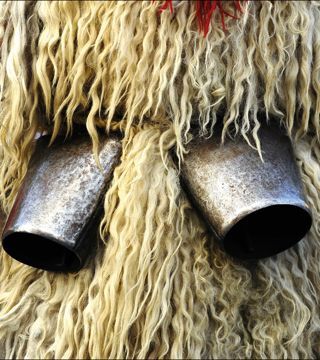
Over time, this survival tactic evolved into a festive carnival performance. Today, the zvončari parade through Rijeka's Korzo during the annual carnival, maintaining their dramatic appearance with 10kg masks, 10-liter bells, and ash-filled bags to simulate smoke.
Modern Celebrations and Cultural Significance
The tradition now combines historical reenactment with folk artistry. Participants wear handmade masks carved from wood, and the ritual includes symbolic elements like the axe (representing defense) and ash (symbolizing the smoke of battle). The event highlights Croatia's rich heritage of folk customs and resilience.
Visitors can witness this unique performance in February, when the zvončari march through Rijeka's historic streets, accompanied by traditional music and dance. The spectacle is recognized as an important example of Croatia's intangible cultural heritage.
Visitor Highlights
- Witness the dramatic zvončari parade with its iconic horned masks and bell-ringing
- Learn about the historical battle between shepherds and Ottomans that inspired the tradition
- Explore Rijeka's historic Korzo promenade during the carnival festivities
- Discover the symbolic meaning behind the masks, axes, and ash in the performance
Practical Tips
- Best viewing spots: Rijeka's Korzo promenade and the surrounding squares
- Timing: The parade typically occurs in February during the Rijeka Carnival
- Dress warmly for the winter event, as the tradition is performed in cold weather
- Photography tips: Capture the masks' intricate carvings and the synchronized bell-ringing
Frequently Asked Questions
What is the historical basis for the Grobnik legend?
The legend is rooted in a 16th-century event where Croatian shepherds used a dramatic display of masks, bells, and straw-filled costumes to scare off an invading Ottoman army, mistaking them for a larger force.
How has the tradition evolved over time?
Originally a defensive strategy, the bell ringers' ritual transformed into a vibrant carnival performance that now celebrates Croatian folk heritage with elaborate costumes and synchronized bell-ringing.
What are the key elements of the zvončari performance?
Participants wear 10kg wooden masks, sheepskin coats, carry axes, and wear belts with 10-liter bells. They also use ash-filled bags to create the illusion of smoke during the parade.
Explore yachts, catamarans and motor yachts available from Croatian bases.
Yacht Search Page