Mediterranean Olives - Croatia’s Liquid Gold
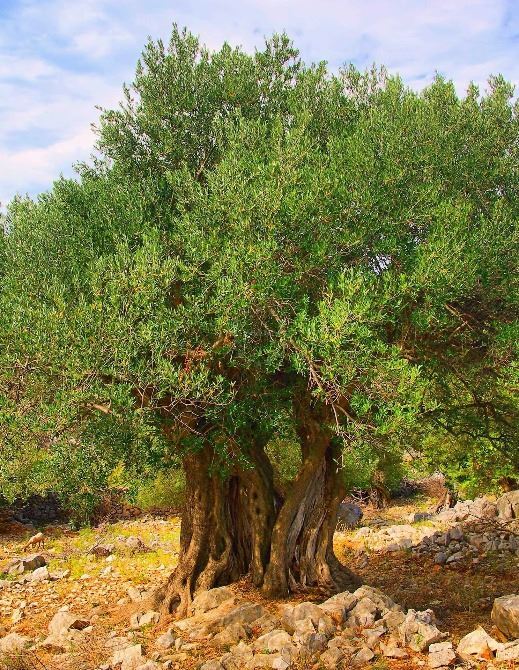
The olive tree has been a symbol of peace, wisdom, and fertility in the Mediterranean for millennia. In Croatia, particularly in Istria and Dalmatia, olive cultivation thrives on sun-drenched hillsides, producing some of the world’s most celebrated olive oil. This article explores Croatia’s olive heritage, from ancient traditions to modern-day experiences like tastings and visits to historic groves.
Cultivation in Istria and Dalmatia
Croatia’s olive groves, especially in Istria and Dalmatia, benefit from a unique microclimate and soil composition. These regions are renowned for producing high-quality olive oil, with varieties like maslinca and belica being local favorites. The UNESCO-recognized Mediterranean diet highlights olive oil as a cornerstone of healthy living, emphasizing its role in traditional Croatian cuisine.
Historical Significance of Olives
Olive trees have been cultivated in Croatia for over 2,000 years, with evidence dating back to ancient Roman and Greek settlements. Olives were not only a food source but also used as currency and in religious rituals. Today, Croatia’s olive oil production continues this legacy, blending ancient techniques with modern sustainability practices.
Types of Olive Oil in Croatia
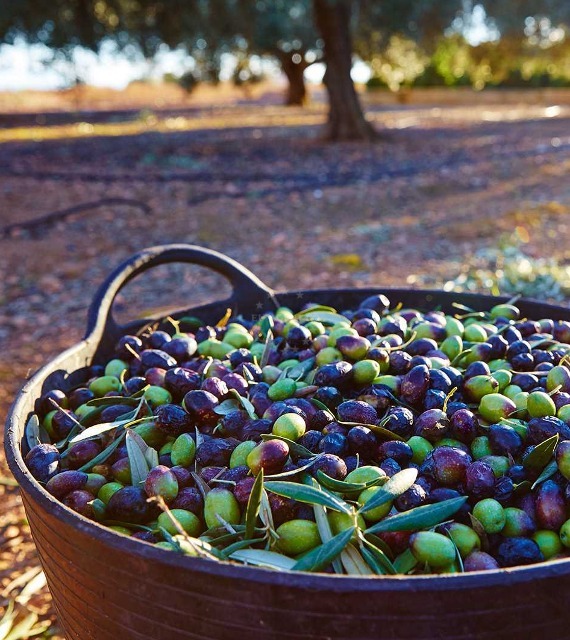
Croatian olive oil is categorized into grades, with extra virgin olive oil being the highest quality, prized for its flavor and health benefits. Local producers often offer tastings, allowing visitors to experience the difference between varieties. Autumn is the ideal time to visit groves for olive picking, while November-December is optimal for oil production.
Visiting Olive Groves and Tastings
Many Croatian olive farms welcome visitors for guided tours, tastings, and even olive-picking experiences. These visits often include insights into traditional methods and the opportunity to purchase artisanal olive oil as a souvenir. Regions like Istria and the Pelješac Peninsula are particularly popular for such activities.
Visitor Highlights
- Explore centuries-old olive groves in Istria, some still using traditional stone mills.
- Participate in olive oil tastings to learn about flavor profiles and production methods.
- Discover how Croatia’s olive oil is integral to UNESCO-recognized Mediterranean diet traditions.
- Visit local farms to pick olives or purchase bottles of extra virgin olive oil.
Practical Tips
- Best time to visit: Autumn (October-November) for olive picking, November-December for oil production.
- Look for farms offering guided tours and tastings, often available in English.
- Pair olive oil with local dishes like štrukle (rolled pastries) or štruklji (sweet dumplings) for a culinary experience.
- Bring a reusable bottle for refills at some farms, promoting sustainability.
Frequently Asked Questions
What are the best regions in Croatia for olive oil production?
Istria and Dalmatia are the top regions, known for their ideal climate and soil for olive cultivation.
Can visitors participate in olive picking?
Yes, many farms in Istria and the Pelješac Peninsula offer olive-picking experiences during autumn.
What is the difference between extra virgin and regular olive oil?
Extra virgin olive oil is produced from the first cold pressing of olives, offering superior flavor and health benefits compared to regular olive oil.
Explore yachts, catamarans and motor yachts available from Croatian bases.
Yacht Search Page