Croatian Vineyards: A Journey Through Millennia of Winemaking
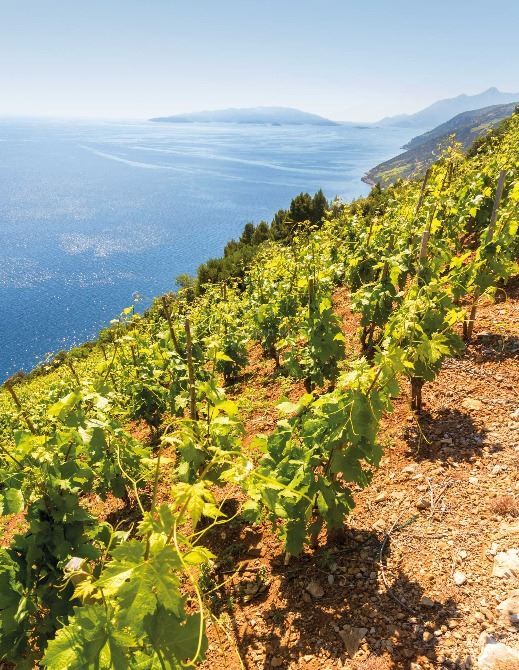
Croatia’s vineyards have been crafting wines for over 2,500 years, blending ancient traditions with the country’s diverse climates. From the sun-kissed slopes of Pelješac to the misty hills of Istria, each region produces wines as unique as the landscapes they hail from. This article highlights some of Croatia’s most iconic vineyards and the stories behind their legendary vintages.
Dingač Vineyard – Pelješac Peninsula
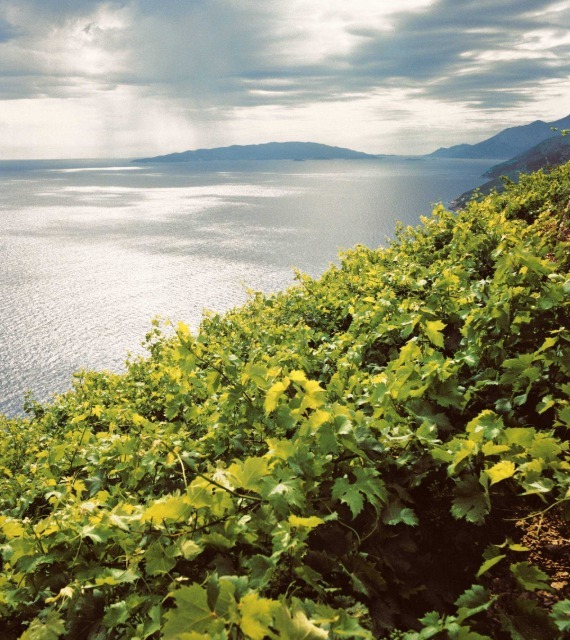
Nestled on the Pelješac Peninsula, Dingač is Croatia’s most renowned vineyard, protected since 1952. Its steep slopes, descending to the Adriatic Sea, produce the celebrated Dingač wine—a robust red with notes of dark fruit and spice. The vineyard’s unique microclimate, influenced by the sea and mountain winds, creates a terroir unmatched in the region.
Plavac Mali – The King of Dalmatian Wines
Originating from the island of Hvar, Plavac Mali is a bold red grape variety that thrives in the island’s arid, sun-drenched vineyards. This grape, often used in the famous Hvar wine, is known for its high tannins and rich flavors of blackberry and pepper.
Istrian White Wines
In Istria, the cool, maritime climate nurtures crisp whites like Malvasia Istriana and Teran. Vineyards in the town of Motovun, with their terraced hillsides, offer breathtaking views and a chance to taste wines that pair perfectly with local seafood.
Visitor Highlights
- Visit Dingač Vineyard for a guided tour of Croatia’s most iconic red wine region.
- Sample Plavac Mali in Hvar’s vineyards, paired with a sunset cruise along the coast.
- Explore Istria’s wine trails, including the historic vineyards of Motovun and the coastal cellars of Rovinj.
- Attend the annual Vinarija Šćepanović festival in Slavonia, celebrating the region’s unique wine-making traditions.
Practical Tips
Best Time to Visit: Spring (April–June) for blooming vineyards and autumn (September–October) for harvest festivals.
Wine Tours: Many vineyards offer tastings and tours; book in advance for exclusive experiences.
Local Festivals: Check dates for events like the Šibenik Wine Festival or the Istrian Wine Days.
Pairings: Try Dalmatian reds with grilled meats, and Istrian whites with seafood or truffle dishes.
Frequently Asked Questions
What makes Croatian wines unique?
Croatian wines benefit from a diverse range of climates, from the Mediterranean heat of Dalmatia to the cooler, misty regions of Istria and Slavonia. This variety creates distinct terroirs, resulting in wines with complex flavors and regional character.
Are there any must-visit vineyards in Croatia?
Yes, Dingač Vineyard on Pelješac, the Plavac Mali vineyards of Hvar, and the historic cellars of Motovun in Istria are highly recommended for their unique offerings and scenic beauty.
Can I take wine tours in Croatia?
Absolutely! Many vineyards offer guided tours, tastings, and even accommodations. Popular options include the Šćepanović Winery in Slavonia and the family-run estates of the Pelješac Peninsula.
Explore yachts, catamarans and motor yachts available from Croatian bases.
Yacht Search Page