What to Do in Croatia: Discover Unique Experiences and Must-See Attractions
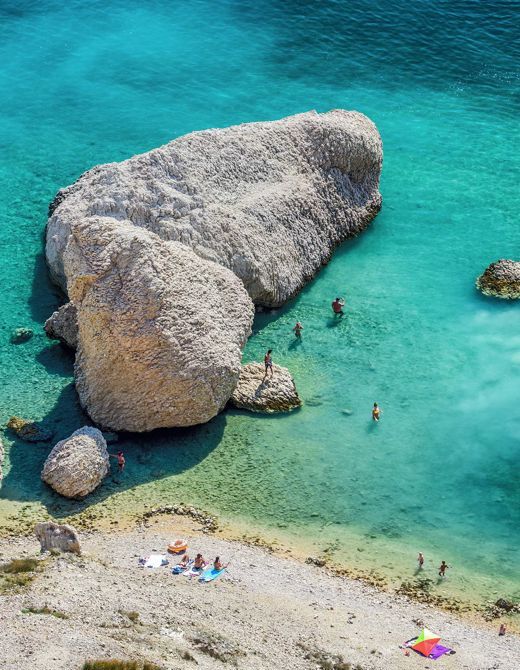
Croatia is a land of breathtaking landscapes, rich history, and vibrant culture. From the ancient walls of Dubrovnik to the serene beaches of the Adriatic coast, there's something for every traveler. Whether you're seeking adventure, relaxation, or a deeper connection with history and tradition, Croatia offers an unforgettable journey. Explore our curated guide to discover the best of what this Mediterranean gem has to offer.
Visitor Highlights
- Walk through the ancient streets of Split and explore Diocletian's Palace.
- Relax on the sun-kissed beaches of Zlatni Rat on Brač Island.
- Discover the unique Venetian defense systems in Zadar and Šibenik.
- Attend the Rijeka Carnival, a vibrant celebration of art and culture.
- Experience the natural beauty of Plitvice Lakes National Park.
Practical Tips
Best Time to Visit: Summer (June-August) for beaches and festivals, spring or fall for milder weather and fewer crowds.
Transportation: Rent a car for flexibility, or use ferries to explore islands.
Cultural Etiquette: Dress modestly in religious sites and greet locals with a handshake.
Language: Croatian is widely spoken, but English is understood in tourist areas.
Frequently Asked Questions
Do I need a visa to visit Croatia?
Citizens of the EU, US, Canada, and many other countries do not require a visa for stays up to 90 days. Check with your local embassy for specific requirements.
What is the official language in Croatia?
The official language is Croatian, but English and German are commonly spoken in tourist areas.
Is Croatia safe for travelers?
Croatia is generally safe, with low crime rates. Exercise standard precautions as with any destination.
What currency is used in Croatia?
The official currency is the Croatian kuna (HRK), though euros are widely accepted in tourist areas.
Explore yachts, catamarans and motor yachts available from Croatian bases.
Yacht Search Page