Essential Travel Guide to Croatia: Tips, Highlights, and Practical Advice
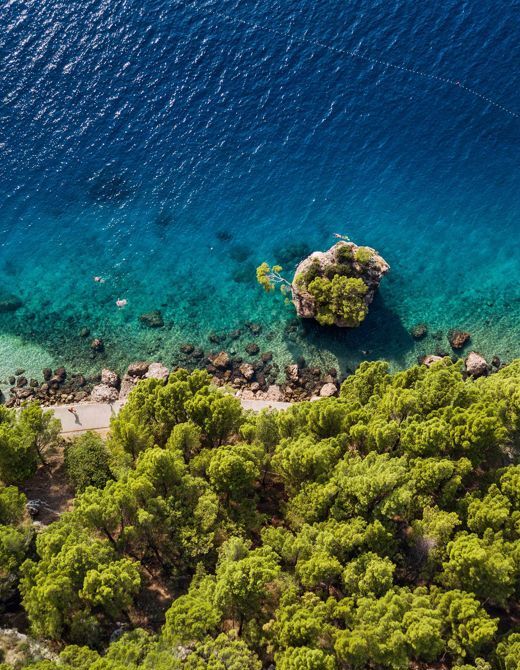
Croatia, a jewel of the Adriatic, captivates travelers with its dramatic coastlines, historic cities, and vibrant culture. From the turquoise waters of the Adriatic Sea to the lush greenery of its national parks, Croatia offers a unique blend of natural beauty and rich heritage. This guide provides essential information to help you plan an unforgettable trip, covering must-see destinations, seasonal considerations, and practical advice for a seamless journey.
Top Attractions in Croatia
Croatia's diverse landscapes and cultural landmarks make it a must-visit destination. Key highlights include:
- Plitvice Lakes National Park: A UNESCO World Heritage Site renowned for its cascading waterfalls and emerald lakes.
- Dubrovnik: A medieval walled city on the Adriatic coast, famous for its well-preserved Old Town and scenic coastal views.
- Hvar Island: Known for its stunning beaches, historic sites like the Hvar Theatre, and vibrant nightlife.
- Split: Home to the ancient Diocletian's Palace and a gateway to the nearby islands of Brač and Šolta.
Cultural Highlights and Traditions
Croatia's cultural heritage is deeply rooted in its history, traditions, and festivals. Notable experiences include:
- UNESCO Heritage Sites: Croatia boasts 22 UNESCO-listed sites, including the historic city of Dubrovnik and the art of dry stone walling.
- Traditional Cuisine: Savor local delicacies such as peka (a dish cooked under a bell-shaped lid), štrukle (rolled pastries), and stuffed squid (calimari).
- Festivals: Experience events like the Sea Sound Festival in Šibenik or the Sinjska Alka (a historic knight's tournament) in Sinj.
Visitor Highlights
- Plitvice Lakes: A UNESCO site with breathtaking waterfalls and hiking trails.
- Dubrovnik's Walls: Walk along the ancient fortifications for panoramic sea views.
- Split's Diocletian's Palace: Explore this 4th-century Roman palace turned city center.
- Island Hopping: Discover the 1,200+ islands, including Hvar, Brač, and Vis, each with unique charm.
- UNESCO Culinary Traditions: Taste dishes like mišanca (wild herb mix) and vrbovečka pera (a savory cake from Vrbovec).
Practical Tips
- Currency: The Croatian kuna (HRK) is the official currency. Credit cards are widely accepted, but carry cash for smaller vendors.
- Language: Croatian is the official language, but English is commonly spoken in tourist areas.
- Transportation: Rent a car for flexibility, or use buses/trains for intercity travel. Ferries connect major islands.
- Best Time to Visit: Summer (June–August) for beaches, spring/fall (April–May, September–October) for milder weather and fewer crowds.
- Health and Safety: Tap water is safe to drink. Travel insurance is recommended for medical emergencies.
Frequently Asked Questions
Do I need a visa to visit Croatia?
Citizens of the EU, US, Canada, and many other countries do not require a visa for stays up to 90 days. Check with your local embassy for specific requirements.
What is the best time to visit Croatia?
The best times are spring (April–May) and autumn (September–October) for pleasant weather and fewer crowds. Summer is ideal for beachgoers, though it can be busy.
How easy is it to get around Croatia?
Croatia has an extensive network of buses, trains, and ferries. Renting a car is recommended for exploring rural areas and islands.
Are there any cultural etiquette tips?
Croatians value hospitality. Tipping is appreciated (10% in restaurants), and it's polite to greet with a handshake. Dress modestly when visiting religious sites.
Explore yachts, catamarans and motor yachts available from Croatian bases.
Yacht Search Page