Travel Information in Croatia: Essential Tips for Your Adventure
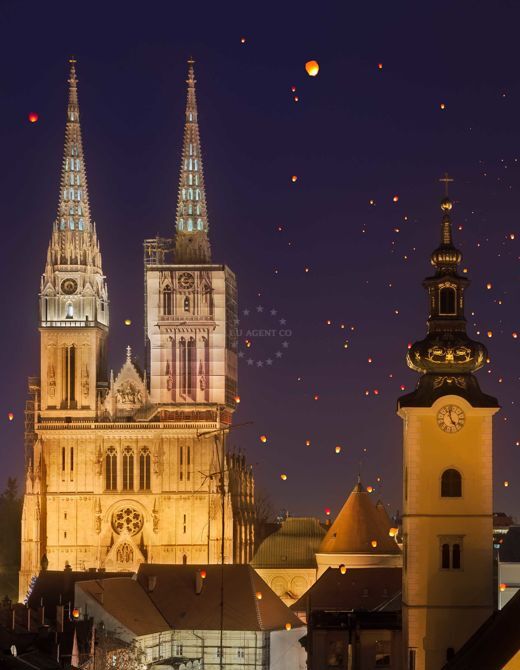
Croatia, a country of over 1,200 islands, vibrant coastal towns, and breathtaking natural landscapes, offers travelers a unique blend of history, culture, and adventure. Whether you're exploring the historic streets of Dubrovnik, relaxing on the sun-kissed beaches of Hvar, or hiking through the lush forests of Plitvice Lakes, Croatia provides unforgettable experiences for every type of traveler. This guide covers essential travel information to help you plan your perfect Croatian getaway, from getting around to safety tips and local customs.
Visitor Highlights
- Plitvice Lakes National Park: A UNESCO World Heritage Site featuring cascading waterfalls and emerald lakes.
- Dubrovnik: Explore the well-preserved medieval walls and vibrant Old Town.
- Split: Discover the ancient Roman palace of Diocletian and the lively coastal atmosphere.
- Hvar: Relax on the iconic Zlatni Rat beach and enjoy the island's wine and cultural heritage.
- Adriatic Coast: Sail along the coast to discover hidden coves, historic towns, and crystal-clear waters.
Practical Tips
- Best time to visit: Spring (April-June) or autumn (September-October) for pleasant weather and fewer crowds.
- Pack comfortable shoes for exploring historic sites and hiking trails.
- Learn basic Croatian phrases to enhance interactions with locals.
- Use official ferry services for reliable island-hopping experiences.
- Respect local traditions and customs, especially in rural areas.
Frequently Asked Questions
Do I need a visa to visit Croatia?
Citizens of the EU, US, Canada, and many other countries do not require a visa for stays up to 90 days. Check with your local embassy for specific requirements.
What is the best time to visit Croatia?
The best times are spring (April-June) and autumn (September-October) for mild weather and fewer crowds, though summer (June-August) is popular for beachgoers.
What currency is used in Croatia?
The official currency is the Croatian kuna (HRK). Credit cards are widely accepted, but carrying some cash is advisable for smaller purchases.
What language is spoken in Croatia?
The official language is Croatian, but English is commonly spoken in tourist areas, especially along the coast.
Is Croatia safe for travelers?
Croatia is generally safe, but travelers should take standard precautions such as securing valuables and avoiding isolated areas at night.
Explore yachts, catamarans and motor yachts available from Croatian bases.
Yacht Search Page