Žižula: Croatia's Hidden Autumn Delight
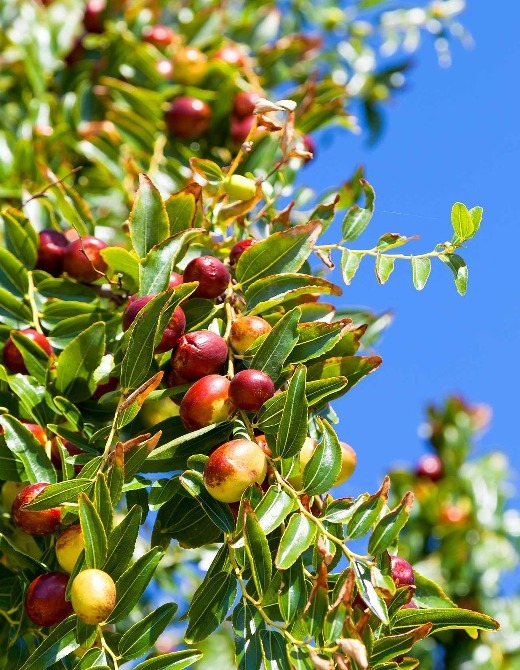
Žižula, also known as jujube (Ziziphus jujuba), is a sweet, date-like fruit that thrives in Croatia's sun-drenched regions. This autumn delicacy, prized for its natural sweetness and versatility, plays a unique role in local cuisine. While often enjoyed fresh, Žižula also finds its way into traditional preserves and liqueurs, particularly in the Zadar and Šibenik areas. Its seasonal availability and limited preservation methods make it a fleeting but cherished treat for locals and visitors alike.
Žižula in Croatian Cuisine
Native to the Mediterranean, Žižula is cultivated in Croatia's eastern regions, where it ripens in late autumn. The fruit's honeyed flavor and chewy texture make it a favorite for fresh consumption, often paired with cheese or used in desserts. In Istria, Žižula is sometimes infused into rakia, a traditional fruit brandy, creating a unique liqueur that highlights the fruit's natural sweetness.
Seasonal Traditions
Due to its short shelf life, Žižula is rarely preserved beyond fresh consumption. This has led to seasonal traditions where communities gather to enjoy the fruit at its peak. Local markets in Zadar and Šibenik often feature Žižula during autumn, offering visitors a chance to sample this rare fruit directly from producers.
Culinary Applications
While less common in mainstream Croatian cooking, Žižula's versatility is evident in regional recipes. It can be dried for later use, incorporated into baked goods, or used as a natural sweetener in jams and compotes. Its unique flavor profile pairs well with both savory and sweet dishes, making it a prized ingredient for creative chefs.

Visitor Highlights
- Local Markets: Visit Zadar's Dolac Market to sample fresh Žižula during autumn.
- Traditional Liqueurs: Try Istrian rakia infused with Žižula for a unique taste of the region.
- Chef-Driven Experiences: Some boutique restaurants in Šibenik feature Žižula in seasonal desserts.
- Agro-Tourism: Participate in harvest festivals where Žižula is celebrated as a regional specialty.
Practical Tips
- Visit between October and November for peak Žižula season.
- Look for the fruit in local markets rather than supermarkets.
- Ask at agritourism farms about Žižula-based products like honey or liqueurs.
- Pair with strong cheeses like Pag or Šibenik for a balanced flavor experience.
- Consider purchasing dried Žižula for use in baking during your stay.
Frequently Asked Questions
Where is Žižula primarily grown in Croatia?
Žižula thrives in Croatia's eastern regions, particularly around Zadar and Šibenik, where the Mediterranean climate provides ideal growing conditions.
How is Žižula typically consumed?
Most commonly eaten fresh, Žižula is also used in traditional rakia production in Istria and occasionally incorporated into baked goods or jams.
Is Žižula available outside of Croatia?
While cultivated in other Mediterranean countries, Žižula's unique flavor profile and seasonal availability make it a distinctive feature of Croatian gastronomy.
Explore yachts, catamarans and motor yachts available from Croatian bases.
Yacht Search Page