Basa Cheese: Traditional Lika Preparation and Culinary Pairings
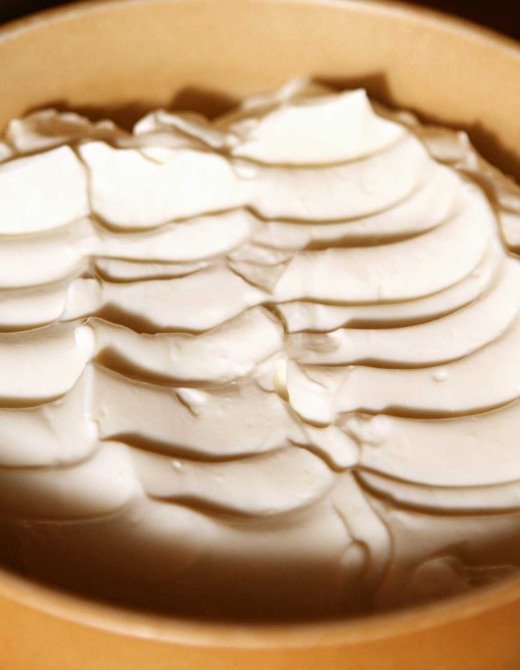
Basa is a traditional Lika cheese made from sheep, cow, or mixed milk, known for its unique preparation method and rich flavor. This soft cheese, often served with polenta, is a staple of Croatian cuisine in the Lika region. Learn about its history, preparation, and how to enjoy it best.
What is Basa Cheese?
Basa is a traditional soft cheese from the Lika region of Croatia, made using a time-honored method. It is crafted from sheep’s, cow’s, or mixed milk and is characterized by its creamy texture and distinct flavor. The cheese is typically prepared in small villages, where the process involves sieving fresh milk through gauze, boiling it, and adding sour milk to create a curdled mixture. This mixture is then cooled and thickened, with cream added for richness.
Traditional Preparation Methods
The preparation of Basa varies slightly between villages, but one of the most notable methods comes from the Otočac area. Here, fresh milk is sieved through gauze, boiled, and cooled. Sour milk is added to the mixture, which is kept warm until it clots. After cooling, cream is incorporated to enhance the flavor. This meticulous process results in a cheese that is both tender and flavorful.
Culinary Pairings and Regional Variations
Basa is traditionally served with polenta, particularly the slow-cooked variety that is stirred for at least two hours. The combination of creamy cheese and smooth polenta highlights the simplicity and quality of local ingredients. Regional variations of Basa may include slight differences in milk sources or preparation techniques, reflecting the diverse culinary traditions of the Lika area.

Visitor Highlights
- Experience the traditional preparation of Basa cheese in Lika villages.
- Pair Basa with locally made polenta for an authentic taste of Croatian cuisine.
- Explore regional variations of Basa and their unique flavor profiles.
- Visit local markets to sample other traditional cheeses like Sir iz mišine or Pag cheese.
Practical Tips
When visiting Croatia, seek out local producers in the Lika region to try Basa cheese fresh from the maker. Pair it with polenta for a traditional meal, and consider visiting nearby villages to learn about other regional cheeses and culinary traditions. For a broader cheese experience, explore nearby areas known for Sir iz mišine or Pag cheese.
Frequently Asked Questions
What is Basa cheese made from?
Basa is made from sheep’s, cow’s, or mixed milk, using a traditional method that involves boiling and curdling the milk with sour milk and cream.
How is Basa cheese prepared traditionally?
Traditionally, Basa is prepared by sieving fresh milk through gauze, boiling it, adding sour milk to create a curdled mixture, and then cooling and thickening it with cream.
What is Basa cheese typically served with?
Basa is most commonly served with polenta, especially the slow-cooked variety that is stirred for at least two hours to achieve a smooth texture.
Explore yachts, catamarans and motor yachts available from Croatian bases.
Yacht Search Page