Bogdanuša: The UNESCO-Protected Dalmatian White Wine Variety
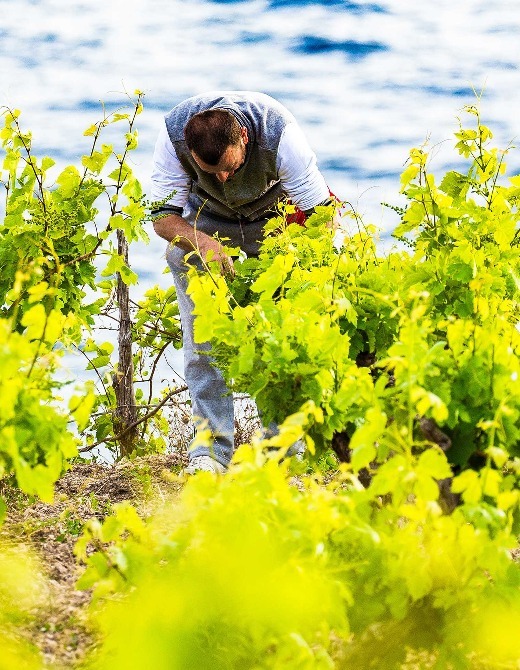
Bogdanuša is a traditional Dalmatian white grape variety with roots tracing back to ancient Greek times. Originating from the island of Hvar, this UNESCO-protected variety is celebrated for its golden yellow wines and historical significance. Learn about its unique characteristics and why it remains a cherished part of Croatian viticulture.
Origins and History of Bogdanuša
Bogdanuša, an indigenous white grape variety of Dalmatia, is believed to have originated from the Stari Grad Plain on the island of Hvar. This area, designated a UNESCO World Heritage Site, has preserved its ancient agricultural practices since the 4th century BC. The name 'Bogdanuša' derives from the Croatian phrase 'Bogom dano,' meaning 'a gift from God,' reflecting its historical significance in religious celebrations.
Local farmers have cultivated Bogdanuša for centuries, using small plots surrounded by ancient dry-stone walls. Its resilience and high yield have made it a staple in Dalmatian vineyards, with modern winemakers reviving its use to distinguish their products in the market.
Characteristics and Winemaking of Bogdanuša
Bogdanuša produces golden yellow wines with low acidity, offering a fresh and approachable profile. The grape ripens between June and September, allowing for optimal harvesting. Winemakers often blend Bogdanuša with other indigenous varieties to enhance complexity and balance.
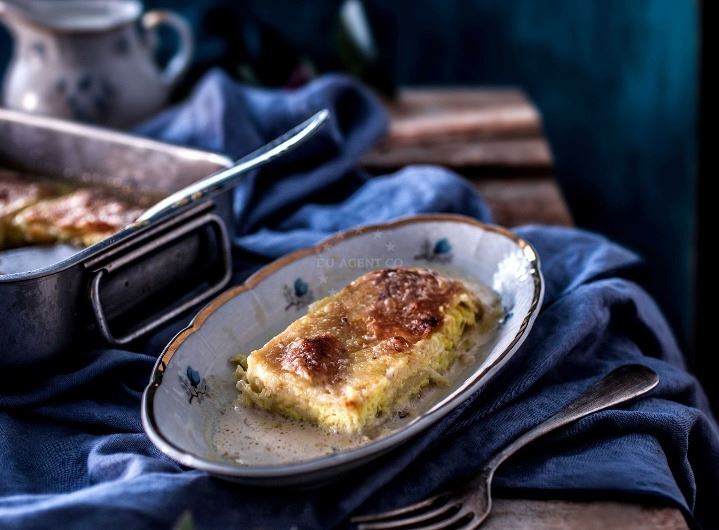
The wine's versatility makes it a popular choice for both still and sparkling wines. Its mild flavor profile pairs well with seafood, grilled meats, and traditional Dalmatian dishes like štrukli (a savory pastry) and pašticada (a slow-cooked beef stew).

Pairing and Serving Suggestions
Bogdanuša is best served chilled at 10–12°C. Its light body and citrus notes complement dishes such as fish carpaccio, cold seafood salads, and grilled lamb or beef. The wine's low acidity also makes it an excellent match for creamy cheeses and fresh fruit desserts.
For an authentic experience, visit wineries in the Stari Grad Plain or Hvar Town, where you can sample Bogdanuša alongside local culinary specialties. Many producers offer guided tastings that highlight the grape's historical and cultural significance.
Visitor Highlights
- UNESCO-protected Stari Grad Plain, where Bogdanuša has been cultivated since ancient times
- Historical name origin tied to religious traditions and the phrase 'Bogom dano'
- Light, golden wines ideal for pairing with seafood and grilled meats
- Opportunities to taste Bogdanuša in Hvar's vineyards and local wineries
Practical Tips
- Visit the Stari Grad Plain for a glimpse into ancient viticultural practices
- Pair Bogdanuša with local dishes like štrukli or pašticada for a complete experience
- Serve chilled at 10–12°C to enhance its refreshing qualities
- Look for wineries offering tastings that include Bogdanuša in their lineup
Frequently Asked Questions
Where is Bogdanuša primarily grown?
Bogdanuša is primarily grown on the island of Hvar, particularly in the UNESCO-protected Stari Grad Plain.
What does Bogdanuša wine taste like?
Bogdanuša produces light, golden yellow wines with low acidity, featuring citrus notes and a fresh, approachable profile.
How should Bogdanuša be served?
Bogdanuša is best served chilled at 10–12°C to highlight its refreshing character and balance its mild acidity.
Explore yachts, catamarans and motor yachts available from Croatian bases.
Yacht Search Page