Picigin: The Traditional Water Sport of Bačvice Beach
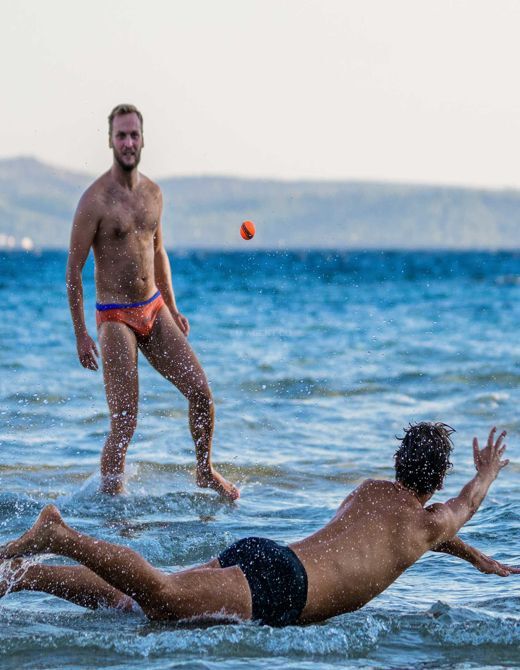
Nestled along the coast of Split, Bačvice Beach is not only a scenic spot but also the birthplace of picigin, a unique water sport that blends elements of volleyball, tennis, and acrobatics. This article explores the history, rules, and enduring appeal of picigin, a tradition that has become a symbol of Split’s vibrant culture.
History of Picigin
Emerging in the early 20th century, picigin originated as a casual game among locals on Bačvice Beach. By the 1920s, it had evolved into a beloved pastime, with its roots deeply tied to Split’s coastal lifestyle. The sport gained international recognition in the mid-20th century, though purists argue that only the version played on Bačvice Beach retains its authentic character.
Unlike traditional volleyball, picigin is played without a net or formal scoring system. Players use their hands to hit a small rubber ball across the water, with the goal of keeping it in play as long as possible. The game’s simplicity and reliance on skill, agility, and teamwork have made it a staple of Split’s social fabric.
How to Play Picigin
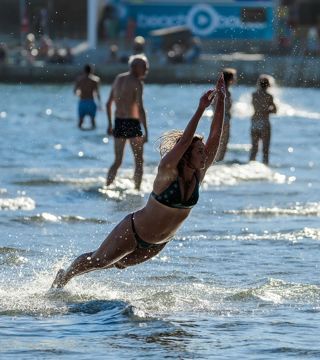
Teams of two or more players stand on opposite sides of a designated area in the shallow water. The ball is tossed into the air, and players take turns hitting it with their hands, aiming to keep it above the water’s surface. If the ball touches the water, the opposing team scores a point. The game continues until one team reaches a predetermined number of points, often 15 or 21.
While the rules are straightforward, mastering picigin requires quick reflexes, precise hand-eye coordination, and a knack for improvisation. Locals often describe it as a test of endurance and a celebration of the sea’s rhythm.
Why Bačvice Beach?
Bačvice Beach’s shallow, calm waters and soft sand make it an ideal setting for picigin. The beach’s proximity to Split’s city center, combined with its panoramic views of the islands of Brač and Šolta, adds to its allure. During the summer months, the beach becomes a hub of activity, with both locals and tourists gathering to play, watch, and socialize.
The tradition of picigin is preserved through annual events and informal matches, ensuring its place in Split’s cultural heritage. Local bars and cafes along the beach often host gatherings where players and spectators alike enjoy the game’s spirited atmosphere.
Visitor Highlights
- Join a casual game of picigin with locals during peak summer months.
- Watch professional matches at organized tournaments held on Bačvice Beach.
- Relax on the beach’s soft sand while enjoying views of Brač and Šolta.
- Explore nearby Split’s historic Old Town and Diocletian’s Palace.
Practical Tips
- Wear water shoes to protect your feet on the sandy beach.
- Bring a towel and sunscreen for extended play in the sun.
- Check with local vendors for rental equipment if needed.
- Arrive early to secure a spot near the action.
- Respect ongoing games—spectators are encouraged to cheer but avoid interfering.
Frequently Asked Questions
Where was picigin invented?
Picigin was invented on Bačvice Beach in Split, Croatia, and is considered the original version of the sport.
What are the rules of picigin?
Players hit a rubber ball across the water without a net or formal scoring system. The goal is to keep the ball in play as long as possible.
Is picigin popular outside of Croatia?
Yes, picigin has gained international recognition, though the version played on Bačvice Beach is regarded as the authentic form.
Explore yachts, catamarans and motor yachts available from Croatian bases.
Yacht Search Page