Dry Stone Walls in Croatia - A UNESCO-Recognized Art Form
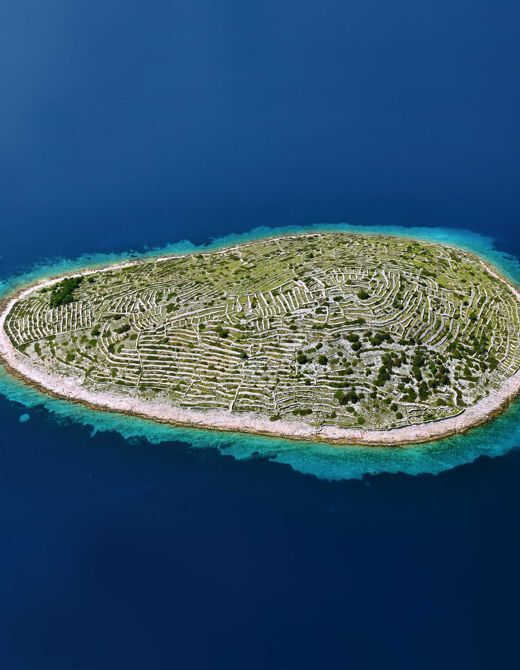
Croatia’s landscapes are dotted with intricate dry stone walls, a testament to the country’s ancient craftsmanship and agricultural heritage. These structures, built without mortar and enduring for centuries, are not only functional but also works of art. Recognized by UNESCO in 2018 as an Intangible Cultural Heritage of Humanity, this tradition reflects the ingenuity of Croatian builders and their deep connection to the land.
The History and Significance of Dry Stone Walls
Dry stone walling in Croatia dates back thousands of years, with some walls still standing in their original form. These structures were primarily used to delineate fields, protect crops, and manage livestock. The technique is particularly prominent in the Stari Grad Plain on the island of Hvar, a UNESCO World Heritage Site where these walls helped shape the agricultural landscape.
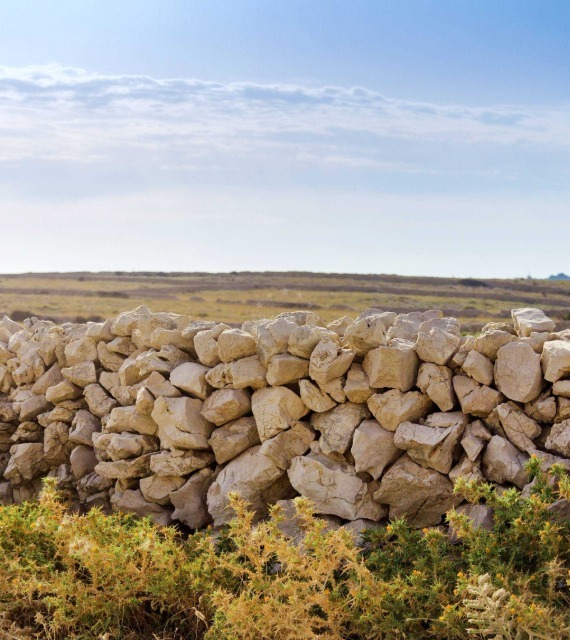
The art of dry stone walling requires exceptional skill, as stones are carefully selected and arranged to ensure stability without the use of binding materials. This method not only demonstrates the builders’ understanding of geology and engineering but also highlights their adaptability to the natural environment.
UNESCO Recognition and Cultural Impact
In November 2018, the practice of dry stone walling in Croatia was inscribed on the UNESCO Representative List of the Intangible Cultural Heritage of Humanity. This recognition underscores the importance of preserving traditional knowledge and techniques that have sustained communities for generations.
Today, efforts are underway to document and teach this craft to younger generations, ensuring its survival in an era of modernization. Local initiatives and cultural festivals celebrate the artistry of dry stone walls, drawing visitors and artisans from around the world.
Visitor Highlights
- Stari Grad Plain (Hvar): Explore one of the oldest examples of dry stone walling in Europe, part of a UNESCO World Heritage Site.
- Baljenac: A village in Istria known for its well-preserved dry stone walls, offering a glimpse into traditional rural life.
- Local Workshops: Participate in hands-on demonstrations or courses to learn the techniques of dry stone walling from master artisans.
Practical Tips
- Best Time to Visit: Spring and autumn offer ideal conditions for exploring dry stone walls, with mild weather and fewer crowds.
- Photography Tips: Capture the intricate patterns and textures of the walls against the backdrop of Croatia’s rolling hills and vineyards.
- Guided Tours: Consider joining a guided tour in regions like Hvar or Istria for deeper insights into the history and techniques behind these structures.
Frequently Asked Questions
Why are dry stone walls significant in Croatia?
Dry stone walls in Croatia are significant as they represent a UNESCO-recognized tradition of craftsmanship, dating back thousands of years. They reflect the country’s agricultural heritage and the ingenuity of its builders.
Where can I see the best examples of dry stone walls in Croatia?
The Stari Grad Plain on Hvar and the village of Baljenac in Istria are two of the best places to see well-preserved dry stone walls.
Can I learn how to build dry stone walls in Croatia?
Yes, local workshops and cultural initiatives in regions like Hvar and Istria offer opportunities to learn the techniques of dry stone walling from experienced artisans.
Explore yachts, catamarans and motor yachts available from Croatian bases.
Yacht Search Page