Krka National Park
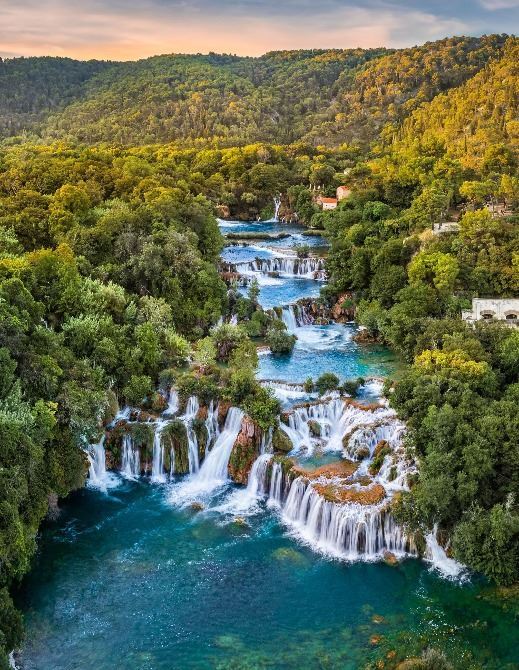
Krka National Park, located near Šibenik, is a UNESCO-protected gem where the Krka River carves through travertine barriers, creating cascading waterfalls and serene lakes. This park, spanning 109 km², is a haven for nature lovers, offering a blend of natural wonders and cultural heritage, from ancient Roman ruins to tranquil monasteries.
Krka National Park is renowned for its seven major waterfalls, including the iconic Skradinski Buk, which plunges 23 meters into a pool below. The park’s landscape is shaped by the Krka River, forming travertine terraces and emerald lakes. Visitors can explore the area via walking trails, cycling paths, or boat tours, each revealing different facets of the park’s beauty. Historical sites like the Krka Monastery, perched on Visovac Island, and the Roman military camp Burnum add layers of cultural significance to the natural splendor.
The park is a biodiversity hotspot, home to over 1,000 plant species, including the Croatian iris, and more than 200 bird species. The interplay of water, rock, and vegetation creates a dynamic ecosystem that changes with the seasons, offering unique experiences year-round.
Visitor Highlights
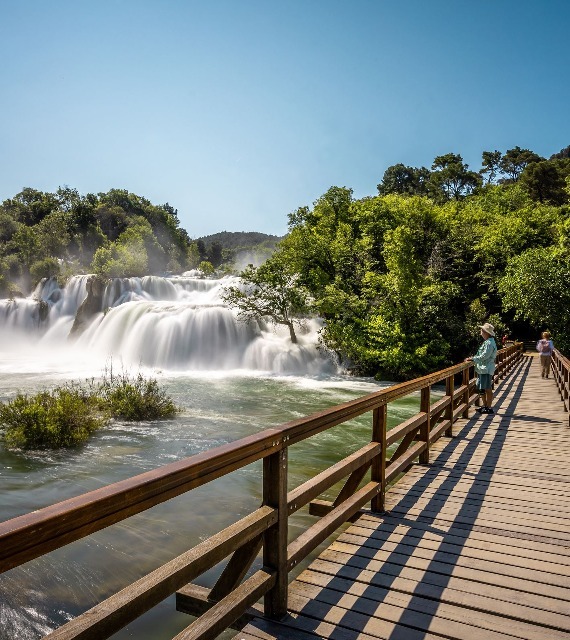
- Skradinski Buk Waterfall: The park’s most famous waterfall, known for its dramatic 23-meter drop and surrounding lush greenery.
- Roški Slap: A series of cascades with a viewing platform offering panoramic views.
- Visovac Island: Home to the Krka Monastery, a 12th-century Benedictine abbey set on a rocky islet.
- Burnum: The remains of a Roman military camp, providing insight into ancient history.
- Travertine Formations: Unique limestone structures formed by the river’s flow, creating natural staircases and pools.
Practical Tips
- Best Time to Visit: Spring and early autumn for mild weather and fewer crowds; summer offers vibrant greenery, but waterfalls may be less dramatic due to lower flow.
- Getting There: Accessible by car from Šibenik (approx. 30 minutes) or by boat from nearby towns like Šibenik or Split.
- Trail Difficulty: Most trails are moderate, with options for shorter walks or longer hikes. Sturdy footwear is recommended.
- Photography Tips: Early morning light enhances waterfall reflections; use a tripod for long exposures.
- Boat Tours: Available from the park’s visitor center, offering a unique perspective of the waterfalls and lakes.
Frequently Asked Questions
What is the best time to visit Krka National Park?
The best times are spring (April–June) and early autumn (September–October) for pleasant weather and fewer crowds. Summer is also popular but may have lower water flow at waterfalls.
Are there entry fees for Krka National Park?
Yes, entry fees apply. Prices vary by season and include access to trails, boat tours, and visitor center exhibits.
Is Krka National Park accessible for people with disabilities?
Some areas are accessible, but the park’s terrain is largely natural, with limited wheelchair access. Consult the visitor center for specific trail details.
What wildlife can be spotted in Krka National Park?
The park is home to over 200 bird species, including herons and kingfishers, as well as mammals like deer and foxes. The Krka River also supports fish populations.
Are there accommodations within the park?
No, but nearby Šibenik and Skradin offer hotels, guesthouses, and campsites. The park’s visitor center provides information on nearby lodging.
Explore yachts, catamarans and motor yachts available from Croatian bases.
Yacht Search Page