Exploring Northern Velebit: A Journey Through Karst Landscapes and Rare Flora
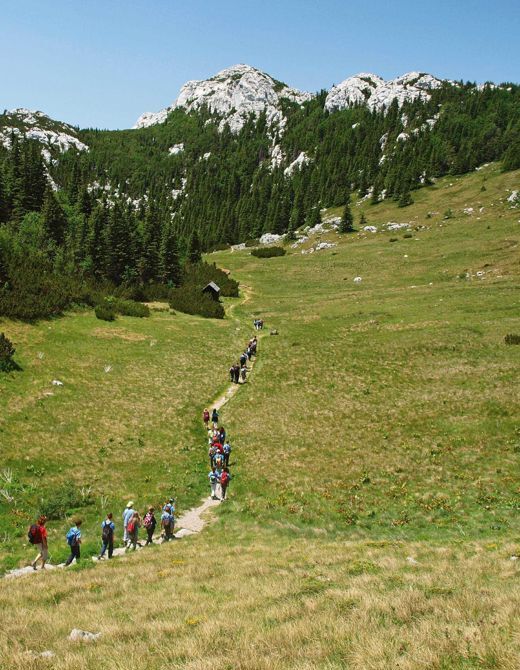
Northern Velebit National Park, Croatia's youngest protected area, offers a unique blend of dramatic karst landscapes, rare endemic plant species, and challenging hiking trails. This UNESCO-recognized park is a haven for nature enthusiasts, featuring sinkholes, caves, and alpine meadows teeming with biodiversity. From the iconic Rožanski Kukovi rock formations to the Velebit Botanical Garden, the park provides an unforgettable experience of Croatia's natural heritage.
Geological Wonders and Biodiversity
Northern Velebit is a testament to the power of karst geology, with its labyrinth of sinkholes, caves, and towering limestone ridges. The park is home to the Velebit Botanical Garden, established near Zavižan to preserve and study the region's unique flora, including the critically endangered Croatian Sibirea. Over 500 plant species thrive here, many adapted to the harsh alpine conditions.
The park's strict reserves, such as Hajdučki Kukovi and Rožanski Kukovi, protect some of Europe's most pristine karst ecosystems. These areas are also crucial habitats for rare animals like the Balkan lynx and the Velebit long-horned beetle.
Trails and Hiking Routes
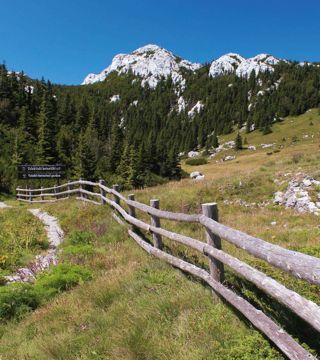
With over 150 km of marked trails, Northern Velebit caters to all skill levels. The Premužić Trail connects Zavižan to Rožanski Kukovi, offering panoramic views of the Adriatic and the park's dramatic rock formations. For a more immersive experience, the Balinovačka Sinkhole Trail (600 meters long) winds through a unique karst landscape at 1,480 meters elevation.
Seasonal highlights include spring wildflower blooms in the alpine meadows and autumn foliage along the Kukovski Put trail. Guided tours are recommended for less-experienced hikers exploring the park's more remote areas.
Visitor Highlights
- Velebit Botanical Garden: A living museum of endemic and rare plant species, including the Velebit degenia.
- Rožanski Kukovi: Iconic rock formations resembling a jagged crown, best viewed from the summit.
- Hajdučki Kukovi Strict Reserve: A protected area with ancient beech forests and rare bird species.
- Alpine meadows: Bursting with wildflowers in spring, offering a vibrant tapestry of colors.
Practical Tips
- Best Time to Visit: May-September for hiking; April-June for wildflower viewing.
- Permits: No permit required for day hikes, but overnight stays need prior approval from the park authority.
- Trail Difficulty: Some routes (e.g., Premužić Trail) are strenuous with elevation gains up to 1,000 meters.
- Equipment: Sturdy footwear, rain gear, and a map are essential. The park has limited facilities; carry water and snacks.
- Accessibility: Main trails are accessible by car; parking is available at Zavižan and Rožanski Kukovi.
Frequently Asked Questions
Are there guided tours available in Northern Velebit?
Yes, several tour operators offer guided hikes, especially for first-time visitors or those interested in specialized topics like botany or geology.
Can I camp in the park?
Camping is permitted only in designated areas. Overnight stays require prior authorization from the park management.
What wildlife can I expect to see?
The park is home to the Balkan lynx, brown bear, and over 150 bird species, including the rare Dalmatian pelican.
Explore yachts, catamarans and motor yachts available from Croatian bases.
Yacht Search Page