Speleology in Croatia: Essential Tips for Cave Exploration
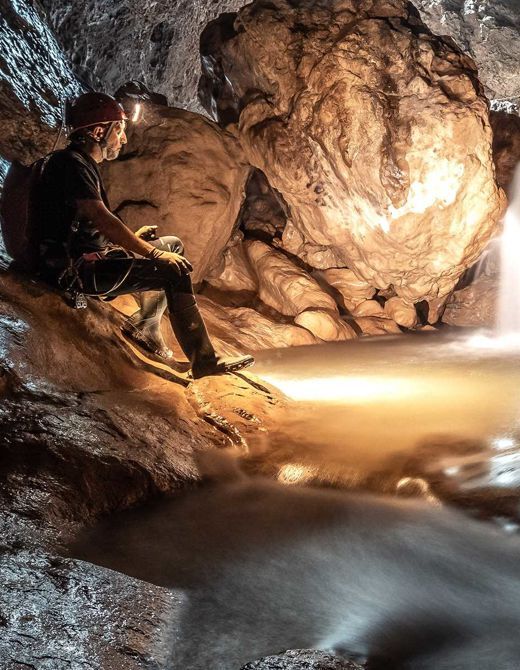
Croatia's subterranean world is a labyrinth of caves, pits, and underground rivers, offering unique opportunities for exploration. From the Barać Caves near Plitvice to the Lokvarka Cave in Gorski Kotar, speleology in Croatia combines natural beauty with thrilling adventure. This guide provides essential information for safe and responsible cave exploration.
Understanding Speleology in Croatia
Speleology, the scientific study of caves, has a rich history in Croatia. The Barać Caves, opened to the public in 1892, are among the country's earliest speleological sites. Modern exploration requires specialized equipment and training, including waterproof clothing, headlamps, and climbing gear. Cave diving, one of the most extreme forms of speleology, demands advanced certification due to the risks involved.
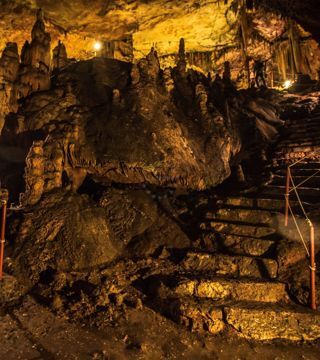
Croatia's karst landscape, shaped by millennia of water erosion, has created over 1,000 documented caves. Notable examples include the Samograd Cave in Grabovača Cave Park and the Pazin Cave in Istria, where the Pazinčica River flows underground. Each site offers unique geological formations and ecosystems, from stalactites and stalagmites to subterranean lakes.
Visitor Highlights
- Explore the Barać Caves, a UNESCO-protected site near Plitvice Lakes
- Discover the Lokvarka Cave, one of Croatia's deepest accessible caves
- Visit the Samograd Cave, featuring guided tours through ancient underground rivers
- Experience the Pazin Cave, located beneath the historic Pazin Castle
- Learn about the Dragon Cave on Brač, linked to local folklore and mythology
Practical Tips
- Always join guided tours for safety and to minimize environmental impact
- Wear waterproof, durable clothing and sturdy footwear
- Carry a headlamp, extra batteries, and a first-aid kit
- Respect cave ecosystems by avoiding touching formations or disturbing wildlife
- Check weather conditions and cave accessibility before visiting
- Children must be accompanied by adults in most caves
Frequently Asked Questions
What equipment is needed for speleology in Croatia?
Essential gear includes waterproof clothing, headlamps, climbing harnesses, ropes, and specialized caving boots. Cave divers require additional equipment like scuba gear and underwater communication devices.
Are there guided tours available for Croatian caves?
Yes, most major caves offer guided tours. For example, the Samograd Cave in Grabovača Cave Park requires a Park guide, while the Barać Caves have established visitor pathways.
What are the safety risks of speleology in Croatia?
Risks include unstable terrain, flooding, and limited visibility. Cave diving carries additional dangers like decompression sickness. Always follow guide instructions and avoid unmarked caves.
Explore yachts, catamarans and motor yachts available from Croatian bases.
Yacht Search Page