Flying Safely After Diving in Croatia
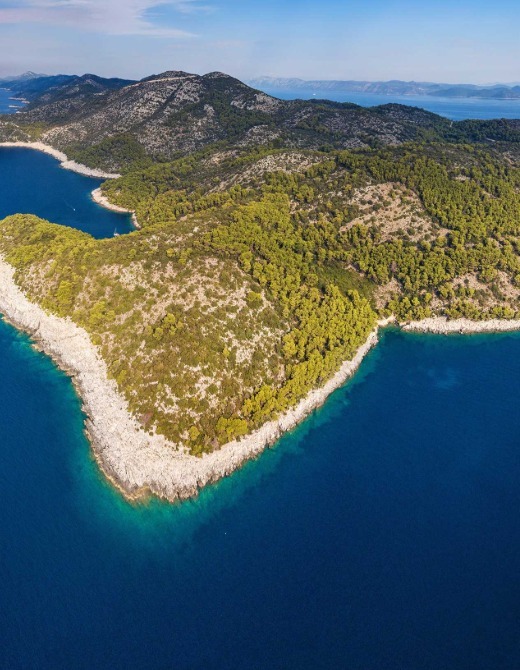
Croatia's stunning underwater world attracts divers worldwide, but flying immediately after diving poses risks due to decompression sickness. Adhering to the no-fly interval is crucial for safety. This guide explains the science behind the rules and practical steps to ensure a safe return to the skies after your dive.
Key Safety Considerations
- Always follow the no-fly interval recommended by your dive operator or certification agency
- Consider flying from coastal airports near dive sites to minimize travel time after surfacing
- Inform airline staff about recent diving activities when booking flights
- Stay hydrated and avoid alcohol before flying after diving
- Monitor for DCS symptoms (joint pain, dizziness, shortness of breath) during flights
Practical Tips
Practical Advice for Divers
1. Plan ahead: Coordinate with dive operators to schedule flights after completing the required no-fly interval.
2. Use dive computers: Modern dive computers can calculate personalized no-fly times based on your dive profile.
3. Choose appropriate dive sites: Croatia's popular diving areas like Zadar, Split, and the Kornati Islands have well-established dive centers that can advise on post-dive travel.
4. Consider alternative transportation: For short intervals, consider ground transportation instead of air travel.
Frequently Asked Questions
What is decompression sickness and why is it a risk when flying after diving?
Decompression sickness occurs when dissolved gases form bubbles in the body due to rapid pressure changes. Airplane cabin pressure drops to ~0.75 bar, which can cause existing nitrogen bubbles to expand, increasing DCS risk.
Can I fly after a single recreational dive?
Yes, but you should wait at least 12 hours after a no-decompression dive. This allows sufficient time for nitrogen to off-gas safely.
Are there exceptions to the no-fly rule?
In rare cases, divers may fly sooner if using specialized equipment (e.g., altitude chambers) or if the dive was shallow and brief. Always consult a diving medical professional.
Explore yachts, catamarans and motor yachts available from Croatian bases.
Yacht Search Page