Croatia's Water Wealth: Nature's Most Precious Resource
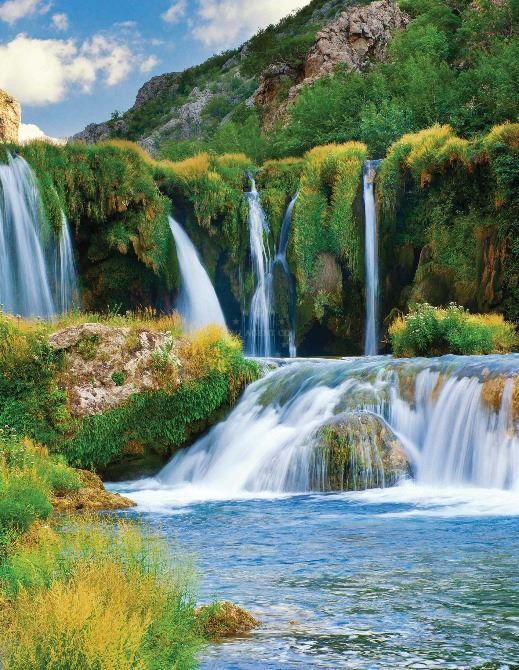
Croatia's natural water resources are among Europe's most remarkable. From the karst aquifers of the Dinaric Alps to the crystal-clear rivers of the Adriatic coast, the country's water wealth supports both ecosystems and human life. This article explores how Croatia's unique geography creates some of the world's purest drinking water sources.
The Karst Aquifers: Nature's Underground Reservoir
Croatia's karst landscape, formed by millennia of water erosion, creates an intricate network of underground aquifers. These natural reservoirs store vast quantities of fresh water, filtered through limestone layers to achieve exceptional purity. The Plitvice Lakes and the Vrana Lake Nature Park are prime examples of this geological phenomenon.
Rivers of Life: Croatia's Waterways
With over 10,000 km of rivers, Croatia's waterways sustain diverse ecosystems. The Cetina River in Dalmatia, known for its rapids and canyons, and the Una River in Bosnia-Herzegovina-Croatia border, recognized for its pristine waters, highlight the country's hydrological diversity. Many of these rivers flow into the Adriatic Sea, creating unique coastal ecosystems.
Water in Daily Life
Croatia's commitment to water conservation is evident in its tap water quality. In cities like Zagreb and Split, tap water meets EU standards for safety and purity. This reflects the country's natural advantage in maintaining clean water sources through its geological formations.
Visitor Highlights
- Swim in the crystal-clear waters of Lake Bled (though technically in Slovenia, it's a nearby highlight)
- Explore the Krka River's waterfalls within Krka National Park
- Visit the Plitvice Lakes, a UNESCO World Heritage Site with cascading waterfalls
- Experience the unique karst springs of the Biokovo Nature Park
- Enjoy the pristine beaches of the Adriatic coast, fed by clean river systems
Practical Tips
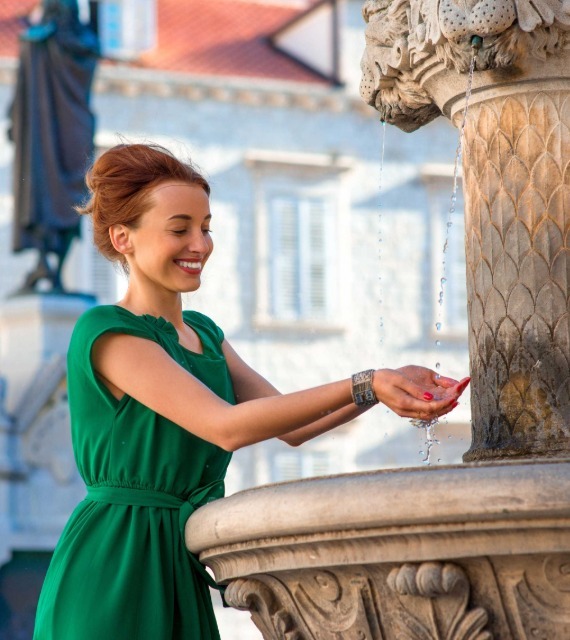
- Tap water is safe to drink in all Croatian cities and towns
- Visit the Vrana Lake Nature Park to see how karst formations create natural water reservoirs
- Join guided river tours on the Cetina or Una rivers for eco-friendly adventures
- Learn about water conservation efforts in Croatia's protected nature parks
- Try local mineral waters like Velebit or Plitvice, sourced from natural springs
Frequently Asked Questions
Is tap water safe to drink in Croatia?
Yes, tap water in Croatia meets EU safety standards and is generally safe to drink in cities, towns, and villages.
What makes Croatia's water so pure?
Croatia's karst geology filters water through limestone layers, creating naturally purified sources. The country's mountainous terrain also helps maintain clean water systems.
Are there any famous waterfalls in Croatia?
Krka National Park is home to the famous waterfalls of Krka River, while Plitvice Lakes features cascading waterfalls in a UNESCO World Heritage Site.
Explore yachts, catamarans and motor yachts available from Croatian bases.
Yacht Search Page