Krk: The Golden Island of Croatia's Kvarner Bay
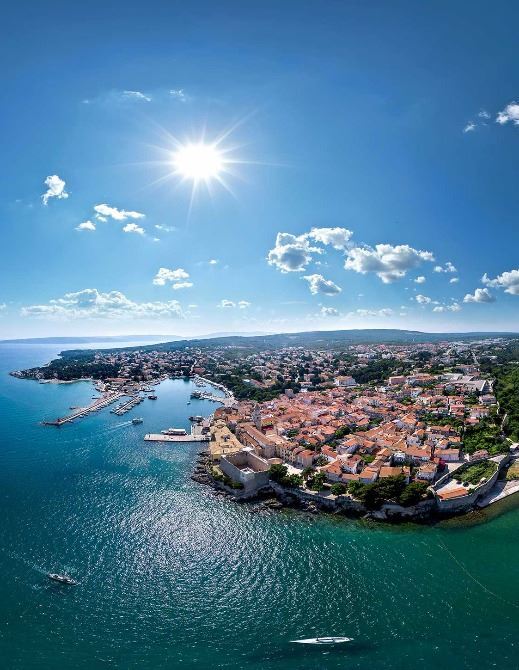
Nestled in the heart of Kvarner Bay, Krk is Croatia's second-largest island and a treasure trove of history, natural beauty, and cultural heritage. Known as the 'Golden Island' since ancient times, Krk captivates visitors with its medieval architecture, pristine beaches, and the renowned Žlahtina wine. Connected to the mainland by a bridge, this island offers a perfect blend of relaxation and exploration for all travelers.
Historical and Cultural Significance
Krk's rich history dates back to the 9th century, with the medieval town of Krk serving as a key cultural and religious center. The island is home to the Baška Stone Tablet, one of the oldest surviving Croatian documents, and the Franciscan Monastery on Košljun, offering panoramic views of the Adriatic. The island's historical legacy is further highlighted by its UNESCO-listed Venetian fortifications, part of the broader Venetian defense system in the region.
Natural Beauty and Activities
Krk boasts over 100 km of coastline, featuring Blue Flag beaches such as those in Malinska and Baška. The island is a haven for nature lovers, with lush forests, hiking trails, and the Vrbnik village, known for its traditional stone houses and the Vrbnik Castle ruins. Water sports enthusiasts can enjoy sailing, kayaking, and diving in the crystal-clear waters surrounding the island.
Culinary Delights
Krk's gastronomy is a highlight, with local specialties like grilled fish, lamb, and the island's signature wine, Žlahtina, produced in the Vrbničko Polje karst field. Seafood lovers can savor fresh catches at coastal taverns, while wine connoisseurs can tour local vineyards.
Visitor Highlights
- Explore the medieval town of Krk and its historic landmarks
- Discover the Baška Stone Tablet, a UNESCO-protected artifact
- Relax on Blue Flag beaches like Malinska and Baška
- Taste the unique Žlahtina wine in local vineyards
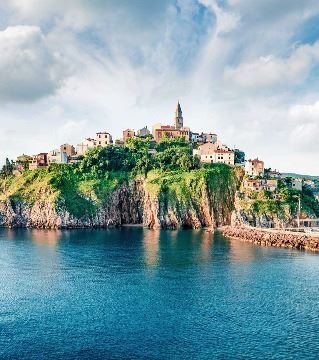
- Visit Vrbnik village and its scenic castle ruins
- Enjoy water sports and sailing in Kvarner Bay
Practical Tips
- Best time to visit: Spring (May-June) or autumn (September-October) for pleasant weather and fewer crowds
- Getting there: Reach Krk via the bridge from the mainland or by ferry from Rijeka, Opatija, or Cres
- Transport: Rent a car for flexibility, or use local buses to explore the island
- Accommodation: Choose from family-run guesthouses, boutique hotels, or apartments in coastal towns
- Local etiquette: Respect historical sites and enjoy meals at family-run taverns for authentic experiences
Frequently Asked Questions
What are the must-see attractions on Krk?
Key attractions include the medieval town of Krk, the Baška Stone Tablet, Vrbnik Castle, Blue Flag beaches, and the Žlahtina wine vineyards.
How do I get to Krk?
Krk is connected to the mainland by a bridge from the mainland town of Krk. Ferries also operate from Rijeka, Opatija, and Cres.
What is the best time to visit Krk?
The ideal times are spring (May-June) or autumn (September-October) for mild weather and fewer tourists.
What are the local specialties of Krk?
Local dishes include grilled fish, lamb, and seafood, paired with the island's renowned Žlahtina wine.
Explore yachts, catamarans and motor yachts available from Croatian bases.
Yacht Search Page