Kornati National Park: Croatia's Labyrinth of Stone and Sea
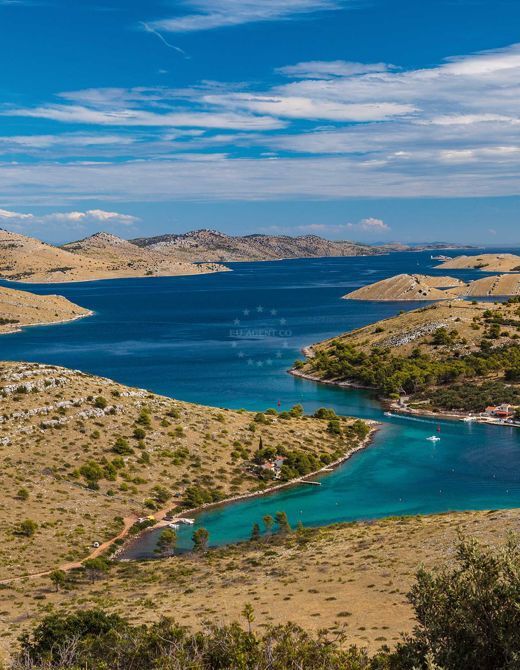
Nestled in the heart of the Adriatic, the Kornati archipelago is a mesmerizing labyrinth of 150 islands, islets, and reefs, with 89 of them protected within Kornati National Park. This UNESCO-recognized gem, often described as 'the crown of the Adriatic,' offers a unique blend of dramatic stone formations, turquoise waters, and a rich tapestry of history. From ancient Illyrian settlements to drystone walls that resemble lace, Kornati is a place where nature and human heritage converge in breathtaking harmony.
Geographical and Historical Significance
Kornati's landscape, shaped by millennia of geological processes, features stark limestone cliffs and narrow sea passages that create a surreal, almost lunar terrain. Despite its arid appearance, the archipelago has been inhabited for thousands of years, with evidence of Illyrian settlements, Roman fishponds, and medieval fortifications like Fort Tureta. The area's historical depth is matched only by its natural beauty, making it a must-visit for travelers seeking both adventure and cultural insight.
Activities and Experiences
Exploring Kornati is best done by boat, allowing visitors to navigate its intricate waterways and discover hidden coves. Kayaking and canoeing through the national park's protected waters offer unparalleled access to its secluded islets. For those preferring a more relaxed pace, the nearby island of Murter provides a base for exploring Kornati's highlights, including the iconic Žut Island and the serene Vrana Lake Nature Park.
Visitor Highlights
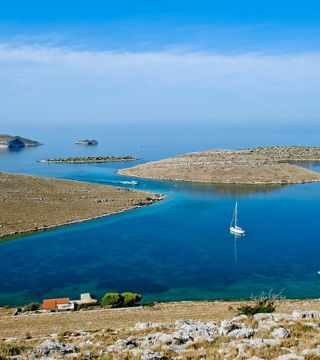
- Stone Lace Landscapes: Marvel at the intricate drystone walls and limestone formations that create a unique 'stone lace' effect across the islands.
- Crystal-Clear Waters: Snorkel or dive in the park's pristine waters, home to vibrant marine life and underwater caves.
- Historical Landmarks: Explore Fort Tureta, a 19th-century coastal defense structure, and the Church of Our Lady of the Visitation on Žut Island.
- Stargazing: Experience the archipelago's remote location, offering some of the clearest night skies in the Adriatic.
Practical Tips
- Best Time to Visit: Spring (May-June) and early autumn (September) offer pleasant weather and fewer crowds.
- Getting There: Access Kornati via boat tours from nearby towns like Šibenik, Tisno, or the island of Murter.
- Accommodation: Stay in traditional stone houses on Murter or opt for luxury villas with sea views.
- Local Cuisine: Sample fresh seafood, especially grilled squid and octopus, paired with local white wines from the Šibenik region.
- Conservation: Follow park guidelines to protect fragile ecosystems—avoid anchoring boats on reefs and stay on marked trails.
Frequently Asked Questions
Is Kornati National Park accessible by car?
No, the archipelago is only accessible by boat. The nearest mainland connection is via the island of Murter, which has a bridge to the mainland.
Are there accommodations on the islands of Kornati?
Most accommodations are on the island of Murter, which serves as the primary base for exploring Kornati. Limited options exist on Žut Island.
What is the best way to explore Kornati?
Boat tours, kayaking, and sailing are the most popular ways to explore the archipelago's intricate waterways and hidden coves.
Explore yachts, catamarans and motor yachts available from Croatian bases.
Yacht Search Page