Discover Croatia: A Traveler's Guide to the Adriatic Gem
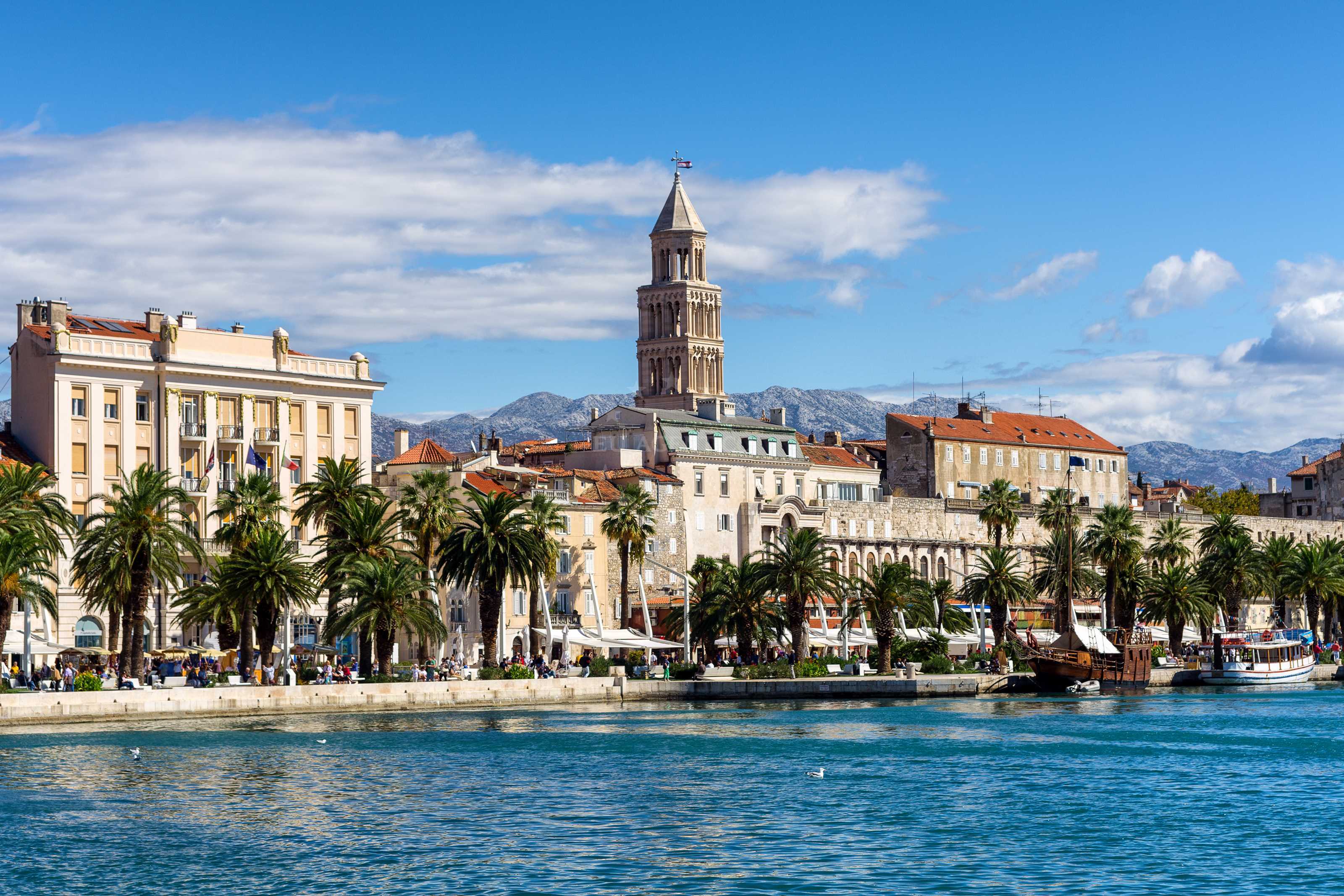
Croatia, a jewel of the Adriatic, captivates travelers with its stunning coastline, medieval cities, and vibrant culture. From the historic streets of Dubrovnik to the serene landscapes of Plitvice Lakes, this guide highlights must-see destinations, cultural experiences, and practical tips for an unforgettable journey.
Visitor Highlights
- Dubrovnik: Walk the iconic walls of this UNESCO site and explore its Old Town.
- Plitvice Lakes National Park: Wander through cascading waterfalls and emerald lakes.
- Hvar: Relax on the island's sun-kissed beaches and enjoy vibrant nightlife.
- Zagreb: Discover the capital's mix of Austro-Hungarian architecture and modern energy.
- Split: Explore the Diocletian's Palace and enjoy the lively promenade.
- Šibenik: Visit the UNESCO-listed St. John's Fortress and the historic city center.
Practical Tips
- Best Time to Visit: Spring (April-June) and autumn (September-October) offer pleasant weather and fewer crowds.
- Getting Around: Rent a car for flexibility, or use ferries to explore islands. Trains and buses connect major cities.
- Language: Croatian is the official language, but English is widely understood in tourist areas.
- Currency: The Croatian kuna (HRK) is used; credit cards are accepted in most places.
- Dining: Try local specialties like ćevapi (grilled meat), štrukle (rolled pastries), and pljeskavica (meat patty).
- Etiquette: Greetings are important; a handshake is common. Tipping 10% in restaurants is appreciated.
Frequently Asked Questions
What are the best times to visit Croatia?
The best times to visit are spring (April-June) and autumn (September-October) for pleasant weather and fewer crowds. Summer (June-August) is peak season, ideal for beachgoers but busier.
Do I need a visa to visit Croatia?
Citizens of the EU, US, Canada, and many other countries do not need a visa for stays up to 90 days. Check with your local embassy for specific requirements.
What is the currency in Croatia?
The official currency is the Croatian kuna (HRK). Credit cards are widely accepted, but it's advisable to carry some cash for smaller establishments.
What are some must-try Croatian dishes?
Must-try dishes include ćevapi (grilled minced meat), pljeskavica (large meat patty), štrukle (rolled pastries), and rožata (a creamy dessert). Pair with local wines like Plavac Mali or Malvazija Istrska.
How can I get around Croatia?
Renting a car is the most flexible option for exploring islands and rural areas. Ferries connect major islands, while trains and buses link cities. Domestic flights are available for longer distances.
Explore yachts, catamarans and motor yachts available from Croatian bases.
Yacht Search Page