Špek Fileki (Tripe) - A Traditional Croatian Dish
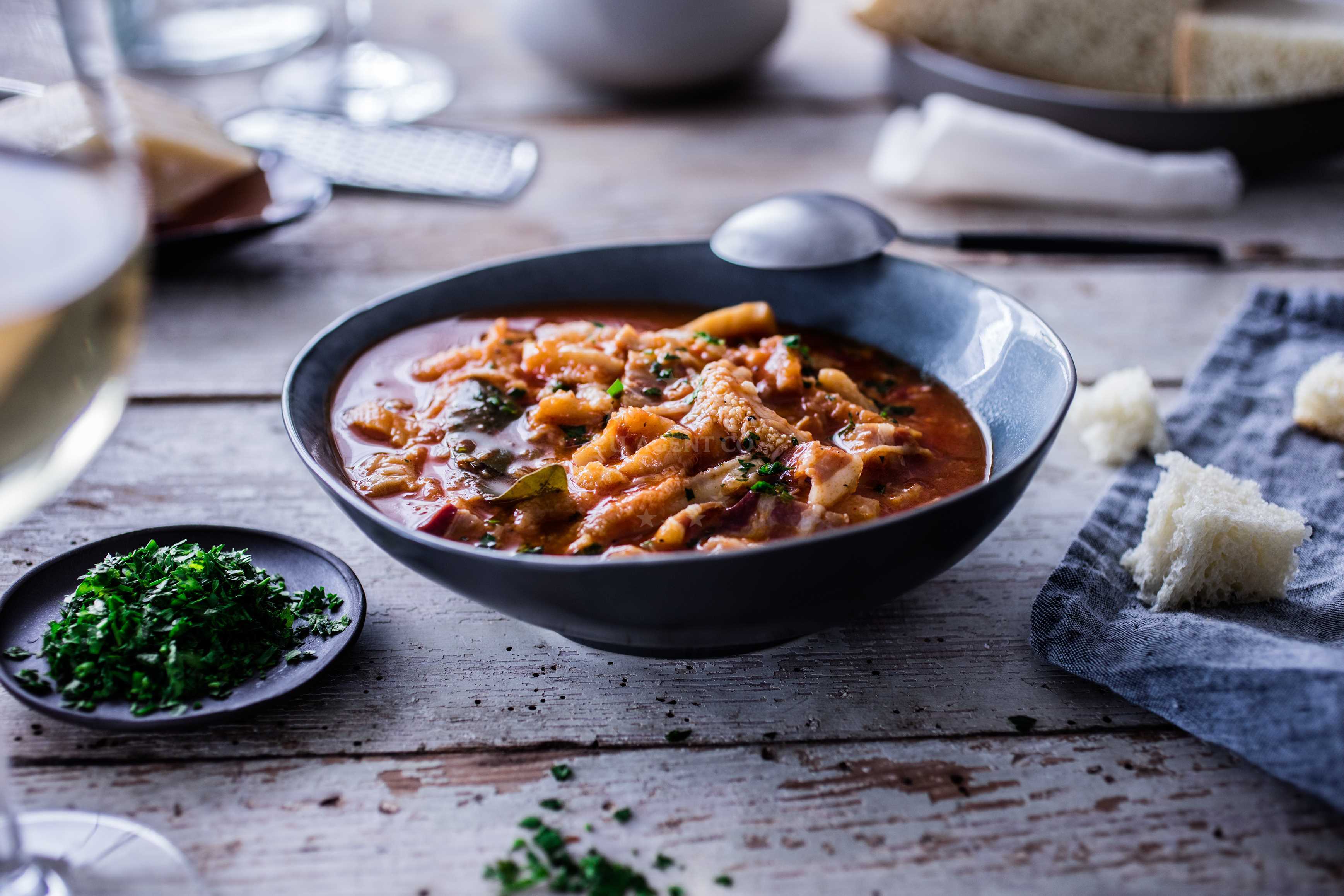
Špek Fileki, also known as tripe, is a traditional Croatian dish that polarizes diners. Made from cleaned animal stomachs, this dish is a staple in inland regions and a testament to Croatia's culinary heritage. While some adore its unique texture and flavor, others find it challenging. Explore its preparation, regional variations, and why it remains a cultural curiosity.
How to Prepare Špek Fileki (Tripe) in Croatia
Špek Fileki is prepared from cleaned stomachs of pigs, calves, cows, or lambs. The process involves thorough washing, boiling until tender, and further cooking with onions, tomatoes, white wine, and seasonings. It is often served with polenta, bread, or pasta. In some regions, it is used in soups or casseroles.
Regional Variations and Cultural Significance
In inland Croatia, tripe is known as dropci or škembići, with preparation methods varying by locality. Historically, it was a working-class staple, commonly found in Zagreb diners. Today, it remains a local favorite, though its strong aroma and texture still divide opinions.
Why Špek Fileki Divides Opinions
The dish's polarizing nature stems from its texture and preparation. While some appreciate its hearty, flavorful profile, others find the cleaning process and smell off-putting. Despite this, it remains a symbol of Croatian culinary tradition, often served in family-owned restaurants and local markets.


Visitor Highlights
- Experience a unique dish that reflects Croatia's working-class culinary heritage.
- Try regional variations in inland towns like Zagreb and Slavonia.
- Pair tripe with polenta or local white wines for an authentic meal.
- Discover why this dish remains a cultural curiosity despite its divisive reputation.
Practical Tips
- Look for tripe in traditional restaurants in Zagreb, Slavonia, and other inland regions.
- Ask locals for recommendations on the best preparation methods.
- Pair with polenta or bread to balance the dish's intensity.
- Be prepared for its strong aroma, which is part of the traditional preparation process.
Frequently Asked Questions
Why is Špek Fileki so polarizing in Croatia?
Špek Fileki's polarizing nature stems from its texture, strong aroma, and the labor-intensive cleaning process. While some appreciate its hearty flavor, others find it challenging to enjoy.
Where can I try authentic Špek Fileki in Croatia?
Authentic Špek Fileki can be found in traditional restaurants in Zagreb, Slavonia, and other inland regions. Local markets and family-owned eateries often serve it with polenta or bread.
How is Špek Fileki prepared differently across Croatia?
Preparation varies by region, with some areas using white wine and tomatoes, while others incorporate local herbs or bacon. The cleaning process and cooking time also differ based on the animal's stomach used.
Explore yachts, catamarans and motor yachts available from Croatian bases.
Yacht Search Page