Croatia's Best Red and White Wines: A Journey Through Indigenous and International Varieties
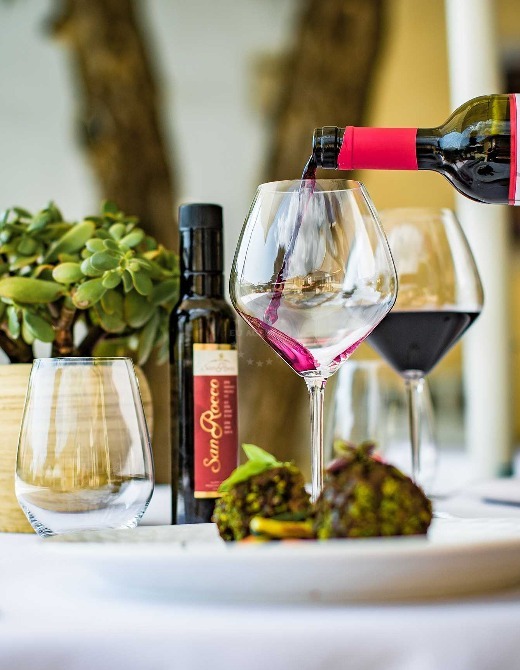
Croatia’s wine culture is a vibrant tapestry woven from both international grape varieties and unique indigenous ones. From the crisp whites of Istria to the bold reds of Dalmatia, the country offers a diverse range of wines that reflect its terroir and traditions. This guide explores Croatia’s most celebrated wines, their regions of origin, and the experiences that make wine tasting here unforgettable.
Croatia’s Signature Grape Varieties
Croatia’s wine landscape is shaped by both global and local grape varieties. While international staples like Chardonnay and Merlot thrive, indigenous varieties such as Škrlet (Moslavina), Babić (Dalmatia), and Plavac Mali (Dalmatia) define the nation’s oenological identity. These grapes are often paired with regional dishes, creating a harmonious culinary experience.
Indigenous Varieties:
- Škrlet: A light, fruity white from Moslavina, often compared to Sauvignon Blanc.
- Babić: A robust red from Dalmatia, known for its dark color and full-bodied flavor.
- Plavac Mali: A bold red from the Pelješac Peninsula, the backbone of Croatia’s famous Dingač wines.
- Chardonnay: Grown in Istria and the Littoral, producing fresh, aromatic whites.
- Merlot: Thrives in Slavonia, yielding smooth, approachable reds.
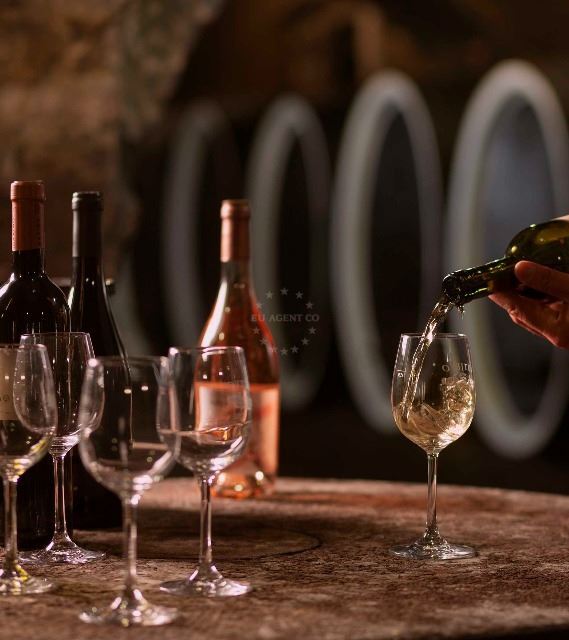
Wine Regions to Explore
Croatia’s four main wine regions each offer distinct experiences:
- Istria: Renowned for Malvazija Istarska, a crisp white with citrus notes.
- Dalmatia: Home to Plavac Mali and Babić, with vineyards overlooking the Adriatic.
- Slavonia: Produces robust reds like Cabernet Sauvignon and Merlot.
- Međimurje: Known for light, mineral-driven whites like Pušipel.
Must-Do Wine Experiences in Croatia
- Taste Indigenous Wines: Visit Moslavina to sample Škrlet or explore Dalmatia for Babić and Plavac Mali.
- Wine Roads: Traverse Istria’s Wine Road or the Dalmatian Wine Route for cellar tours and tastings.
- Pairings: Enjoy local dishes like štrukle with a glass of Malvazija or pašticada with a bold red from Pelješac.
- Seasonal Events: Attend the Istrian Wine Festival or the Plitvice Lakes Wine Festival for cultural immersion.
Practical Tips
Wine Tasting Tips for Travelers
- Visit Wineries: Book tours in advance, especially in popular regions like Istria and Dalmatia.
- Seasonal Visits: Spring and autumn are ideal for tastings, with harvest season (September–October) offering unique experiences.
- Pairing Suggestions: Light whites like Škrlet pair well with seafood, while full-bodied reds complement grilled meats.
- Local Markets: Explore markets in Zagreb, Split, or Dubrovnik for affordable, small-batch wines.
Frequently Asked Questions
What are Croatia’s most famous indigenous wines?
Croatia’s most renowned indigenous wines include Škrlet (white from Moslavina), Babić (red from Dalmatia), and Plavac Mali (red from Pelješac). These varieties are celebrated for their unique flavors and regional significance.
Which regions in Croatia are best for wine tourism?
Istria, Dalmatia, Slavonia, and Međimurje are top regions for wine tourism. Istria is famed for Malvazija, Dalmatia for Plavac Mali, Slavonia for robust reds, and Međimurje for light whites like Pušipel.
How should I pair Croatian wines with local cuisine?
Light whites like Škrlet pair well with seafood and salads, while bold reds such as Babić and Plavac Mali complement grilled meats and hearty dishes like pašticada or štrukle .
Explore yachts, catamarans and motor yachts available from Croatian bases.
Yacht Search Page