Peka: Traditional Croatian Cooking Method
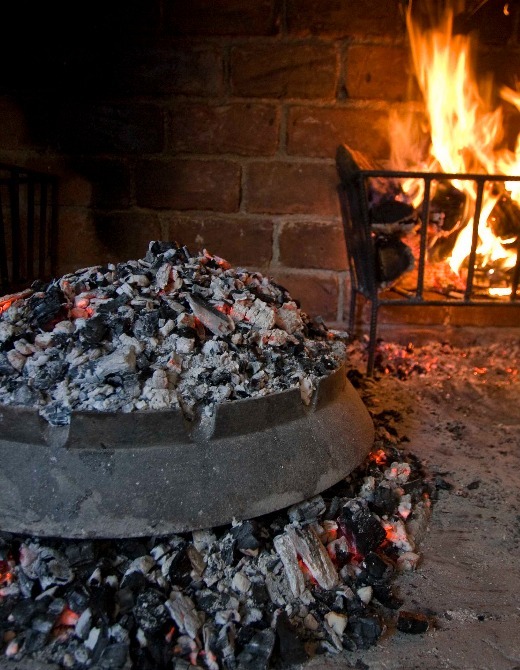
Peka, known as 'the bell' in Croatian, is a centuries-old cooking method that defines traditional Croatian cuisine. This unique technique involves roasting food in a clay or cast iron vessel over an open fire, allowing flavors to develop slowly and deeply. From succulent meats to hearty bread, Peka is a cornerstone of communal dining in Croatia, often enjoyed during festivals, family gatherings, and rural celebrations.
Visitor Highlights
Key Highlights of Peka
- Experience a centuries-old culinary tradition rooted in Croatian rural life.
- Enjoy dishes cooked in their own juices, resulting in unparalleled tenderness and flavor.
- Participate in communal meals, often accompanied by local wines and music.
- Discover regional variations, such as seafood Peka in coastal areas.
- Learn about the cultural significance of Peka in festivals and family gatherings.
Practical Tips
Practical Tips for Experiencing Peka
- Where to try it: Look for rural taverns, agritourism farms, or festivals in Dalmatia and Slavonia.
- What to bring: Comfortable clothing, a camera, and an appetite for hearty meals.
- Etiquette: Peka is often a communal experience—participate in the meal with locals and enjoy the social atmosphere.
- Pairings: Pair Peka dishes with local wines like Plavac Mali or white wines from the Istrian region.
- Seasonal availability: Peka is most commonly prepared during colder months but can be enjoyed year-round in some regions.
Frequently Asked Questions
What is Peka?
Peka is a traditional Croatian cooking method that involves roasting food in a clay or cast iron vessel over an open fire, allowing ingredients to cook in their own juices.
What are common dishes prepared using Peka?
Popular Peka dishes include roasted meats (beef, lamb, octopus), bread baked under the bell (ispod peke), and vegetables cooked in the vessel's juices.
Where can I experience Peka in Croatia?
Peka is commonly found in rural taverns, agritourism farms, and festivals across Dalmatia and Slavonia, particularly in regions like Split, Dubrovnik, and Slavonia.
How long does Peka take to cook?
Peka dishes typically require several hours of slow cooking, depending on the type and quantity of food, ensuring tender and flavorful results.
What type of wood is used for Peka?
Traditionally, beech or hornbeam wood is used to produce embers for Peka, as they provide even heat and enhance the smoky flavor of the dishes.
Explore yachts, catamarans and motor yachts available from Croatian bases.
Yacht Search Page