Šporki Makaruli: A Dubrovnik Tradition Tied to St. Blaise
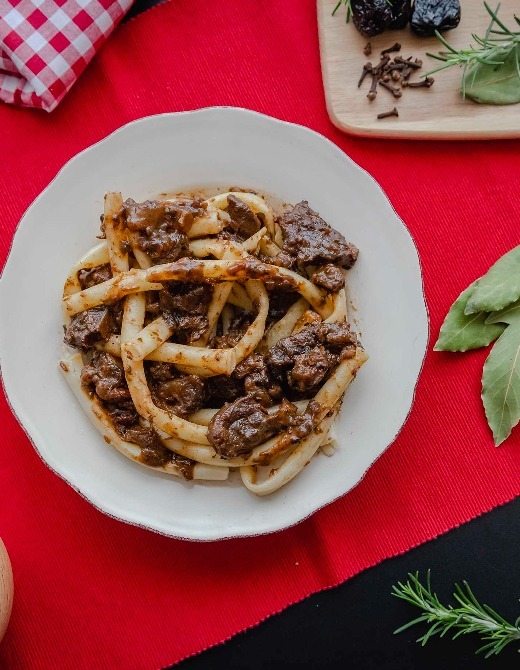
Šporki Makaruli is a traditional Dubrovnik dish with deep historical roots, closely associated with the Festival of St. Blaise. This pasta and meat sauce combination reflects the region's culinary heritage and was historically linked to social hierarchies in medieval Dubrovnik. The dish's name, derived from the Italian 'sporco' (dirty), refers to the meatless pasta served to servants, while the aristocracy enjoyed the meat-laden versions.
The History of Šporki Makaruli
Originating in medieval Dubrovnik, Šporki Makaruli was traditionally prepared on the eve of the St. Blaise Festival, a significant religious and cultural event in the city. The dish's name comes from the practice of reserving the richest meat sauce for the aristocracy, while the 'dirty' (šporkani) meatless pasta was given to servants. This social distinction highlights the dish's historical significance in Dubrovnik's culinary traditions.
How to Prepare Šporki Makaruli
The preparation involves slow-cooking beef with onions, garlic, parsley, and tomatoes, then adding red wine and spices like cinnamon and bay leaves. Homemade makaruli pasta, made from flour, eggs, and water, is boiled and tossed in the sauce. The dish is traditionally finished with grated Parmesan or goat cheese.
Key Ingredients and Regional Variations
While the core ingredients remain consistent, regional variations may include different types of meat or local spices. The pasta's unique 'macaroni' shape is achieved by wrapping dough around a wooden rod before boiling. This method, passed down through generations, remains a hallmark of authentic preparation.

Visitor Highlights
- Historical Significance: Tied to the St. Blaise Festival, one of Dubrovnik's oldest traditions.
- Unique Preparation: Handmade pasta shaped using traditional techniques.
- Local Ingredients: Uses regional beef, onions, and spices like cinnamon and bay leaves.
- Cultural Experience: Often served during festivals and special occasions in Dubrovnik.
- Regional Pride: A symbol of Dubrovnik's culinary heritage and social history.
Practical Tips
- Try authentic Šporki Makaruli at local restaurants in Dubrovnik during the St. Blaise Festival (February 19-23).
- Look for dishes prepared with locally sourced beef and traditional spices for an authentic taste.
- Participate in cooking workshops in Dubrovnik to learn the pasta-making technique.
- Pair the dish with Dubrovnik Malvasia wine for a traditional flavor combination.
- Visit the Dubrovnik City Museum to learn more about the dish's historical context.
Frequently Asked Questions
What is the origin of Šporki Makaruli?
Šporki Makaruli originated in medieval Dubrovnik and was historically linked to the St. Blaise Festival. The dish's name comes from the practice of reserving the richest meat sauce for the aristocracy while the 'dirty' (šporkani) meatless pasta was given to servants.
What are the main ingredients?
The dish features beef, onions, garlic, parsley, tomatoes, red wine, and spices like cinnamon and bay leaves. The pasta is made from flour, eggs, water, and oil.
Where can I try authentic Šporki Makaruli?
Authentic versions are available at local restaurants in Dubrovnik, especially during the St. Blaise Festival. Traditional family-run eateries in the Old Town area often serve the dish.
Explore yachts, catamarans and motor yachts available from Croatian bases.
Yacht Search Page