Roštilj and Gradele: Traditional Croatian Grill Roasting
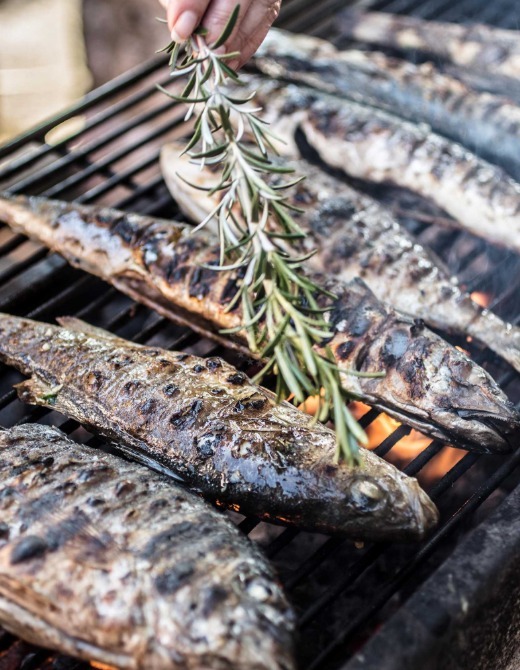
In Croatia, grilling is more than a cooking method—it's a cultural tradition. Roštilj (continental spit roasting) and gradele (coastal grill roasting) are iconic ways to prepare meat, fish, and vegetables over open flames. From the smoky aroma of grilled lamb on the Istrian coast to the hearty skewers of Slavonia, these methods highlight Croatia’s love for fresh, locally sourced ingredients and communal dining.
Croatian grill roasting dates back centuries, with roštilj dominating inland regions and gradele thriving along the coast. Both techniques involve skewering meat or seafood and roasting it over charcoal, but coastal gradele often includes seafood like octopus or squid, while inland roštilj favors meats such as lamb, pork, and sausages. The process is social, with families and friends gathering around the fire to enjoy the meal together.
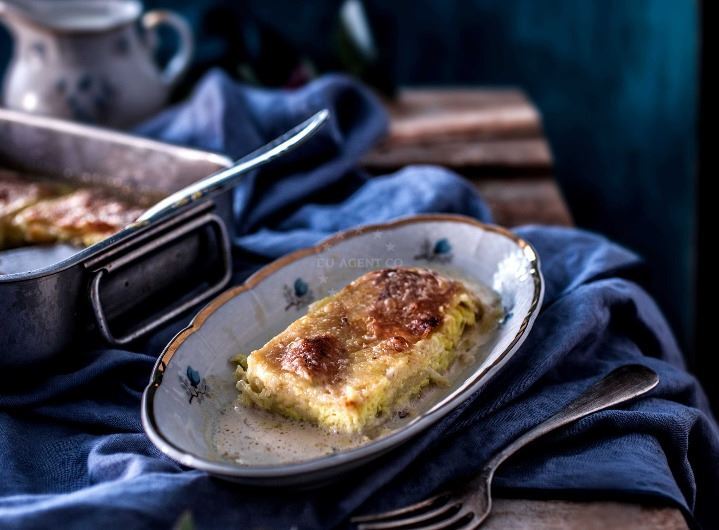
Key ingredients include ćevapi (grilled minced meat), štrukli (cheese-filled pastries), and pršut (cured ham), often paired with šaran (a local fish) or šljivovitza (plum brandy). In coastal towns like Dubrovnik and Split, gradele is commonly served with crni rižot (black risotto) or stuffed squid.

Visitor Highlights
- Join a gradele feast at a seaside tavern in Split or Dubrovnik.
- Try roštilj skewers at a family-run farm in Slavonia.
- Participate in a grill roasting workshop in Istria, learning to prepare štrukli and ćevapi.
- Visit the Dolac Market in Zagreb to sample fresh ingredients used in traditional roasts.
Practical Tips
- Look for gradele stands along the coast, often marked by large grills and the smell of charcoal.
- Ask locals for recommendations on the best roštilj spots in inland towns like Zagreb or Osijek.
- Bring a picnic blanket to enjoy grilled seafood at Biokovo Nature Park or other scenic coastal areas.
- Pair your meal with Croatian wine like Plavac Mali or Teran for a complete experience.
Frequently Asked Questions
What is the difference between roštilj and gradele?
Roštilj refers to spit roasting in inland Croatia, typically using meats like lamb or pork. Gradele is the coastal variation, often featuring seafood and grilled vegetables, prepared over open flames.
Where can I try traditional gradele in Croatia?
Gradele is popular along the coast, especially in Split, Dubrovnik, and Istria. Look for seaside taverns or street vendors with large grills.
What are common dishes served with roštilj or gradele?
Traditional accompaniments include štrukli (cheese pastries), crni rižot (black risotto), pršut (cured ham), and šljivovitza (plum brandy).
Explore yachts, catamarans and motor yachts available from Croatian bases.
Yacht Search Page